Short Term Rental Cleaning: A Complete Turnover Guide
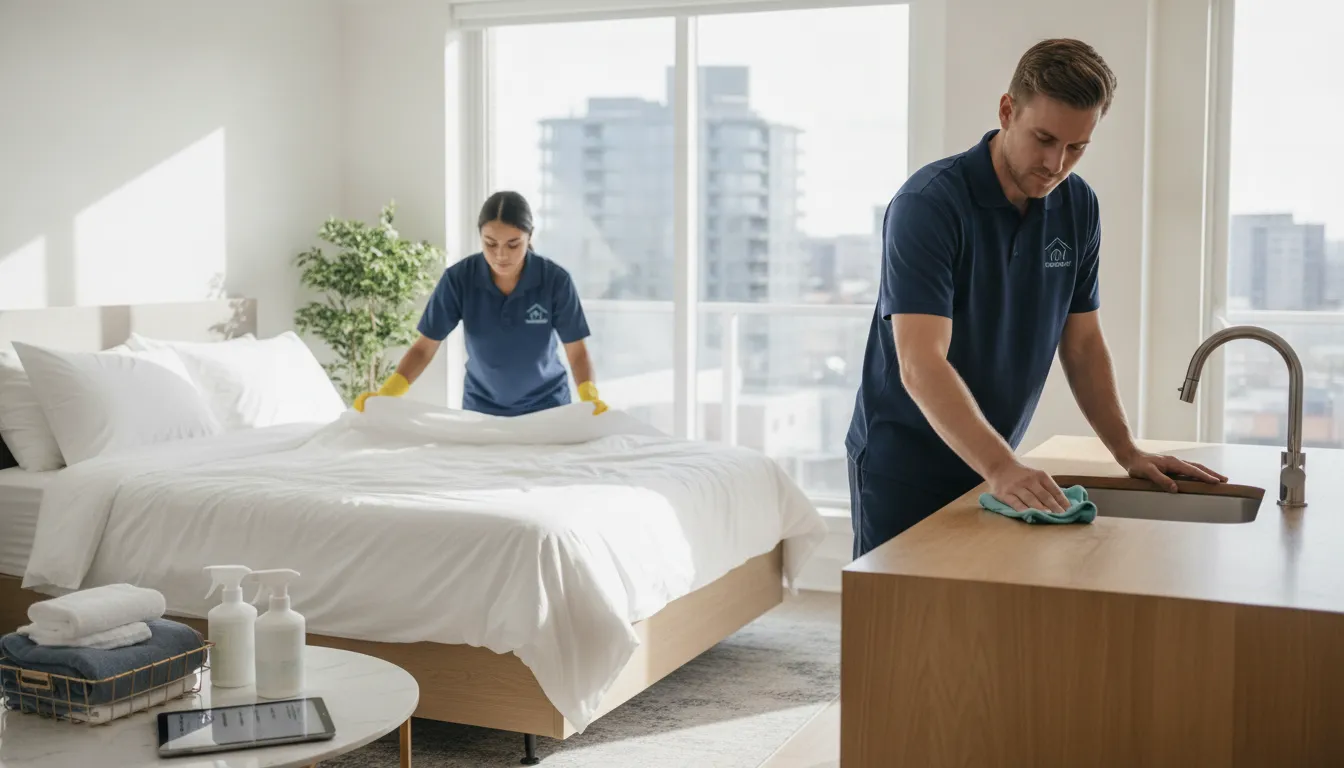
Back-to-back bookings can make rental turnovers feel rushed, especially when one guest leaves just hours before the next arrives. Without a clear plan, important tasks can slip through the cracks. Short term rental cleaning works best when cleaners follow the same order every time: inspect the property, collect laundry and rubbish, clean from high surfaces down, sanitize kitchens and bathrooms, reset each room, restock supplies, and complete a final walkthrough. This method saves time and reduces repeat work. It also supports a better guest experience by making sure the property feels clean, organized, and ready before check-in.
Key Takeaways
- Follow a property-specific turnover checklist: Cover linens, bathrooms, kitchens, floors, waste, supplies, high-touch surfaces, and the final walkthrough for every booking.
- Plan deep cleaning separately: Schedule periodic care for appliances, upholstery, grout, vents, baseboards, window tracks, and areas hidden beneath or behind furniture.
- Use consistent quality controls: Train cleaners, organize approved supplies, document damage and maintenance needs, track inventory, and consider vetted, insured professionals for reliable turnovers.
What Does Short-Term Rental Cleaning Include Between Guests?
Short-term rental cleaning is more than wiping down visible surfaces. A proper turnover prepares the property for the next guest, removes signs of the previous stay, and gives you a chance to spot damage, missing items, or maintenance concerns before check-in. The process should be consistent whether you manage a studio apartment, a multi-bedroom home, or a vacation rental with outdoor amenities.
A reliable turnover follows the same general order each time: inspect the space, remove used linens and waste, clean from high surfaces down, sanitize bathrooms and kitchens, restock supplies, and complete a final inspection. This sequence helps prevent dust and debris from settling on areas you have already cleaned.
Your checklist should reflect the property’s layout and amenities. A rental with a hot tub, fireplace, pet-friendly furnishings, or outdoor dining area requires additional tasks. It also helps to separate regular turnover work from periodic deep cleaning, such as washing baseboards, cleaning grout, or moving heavy furniture. The short-term rental cleaning checklist from Clean Calendar covers many of the routine areas hosts and cleaners should review between bookings.
Inspect, Ventilate, and Check for Lost Items
Start by opening curtains and windows, where appropriate, to air out the property. Good ventilation can help reduce lingering food, smoke, pet, or cleaning-product odors. Turn on bathroom exhaust fans and check for unusual smells, leaks, stains, or signs of excess moisture.
Walk through every room before bringing in cleaning supplies. Look under beds, behind doors, inside closets, and beneath furniture for belongings guests may have left behind. Check drawers, nightstands, outlets, and charging areas as well. Record anything you find and follow your guest communication policy for returning it.
During this first inspection, look for damage that may not be obvious at a glance. Note broken fixtures, chipped dishes, stained linens, missing remotes, wall marks, and loose handles. Pay close attention to light switches, remote controls, and door handles because these high-touch areas are easy to overlook, as Mí Madre Cleaning explains in its rental cleaning guide.
Strip Beds, Wash Laundry, and Replace Linens
Remove used sheets, pillowcases, duvet covers, mattress protectors, and blankets according to your laundry process. Check each item for stains, tears, makeup, pet hair, or other damage before placing it in a laundry bag. Separating heavily soiled pieces can help prevent marks from transferring to other linens.
Wash and dry items fully, following the care instructions on each label. Damp towels or bedding can develop an unpleasant odor if they sit in a closed room or storage bin. Keep clean laundry separate from used items, and avoid placing fresh linens on floors, counters with cleaning products, or other unclean surfaces.
Make each bed with fresh, wrinkle-free linens. Fluff pillows, check that mattress protectors are clean, and fold spare blankets consistently. A tidy bed immediately affects how guests judge the room. Replacing sheets, pillowcases, and duvet covers between stays also supports the hotel-like standard recommended by Mí Madre Cleaning.
Clean Bedrooms, Windows, Mirrors, and Hidden Surfaces
Dust bedrooms from top to bottom, including ceiling fans, light fixtures, headboards, shelves, lamps, picture frames, and electronics. Wipe nightstands and check behind them for dust, wrappers, and forgotten items. Pay attention to surfaces guests touch regularly, such as lamp switches, closet handles, and thermostat controls.
Clean mirrors and interior windows when needed, then wipe windowsills and tracks where dust tends to collect. Remove cobwebs from corners and ceilings, and check beneath beds and other low furniture. If the property allows pets, inspect upholstery and fabric surfaces for hair before vacuuming.
Finish by vacuuming or mopping the floor, including edges and corners. Use attachments that suit the flooring and avoid leaving damp areas that could create a slipping risk. The Clean Calendar turnover checklist also recommends dusting shelves, tables, and electronics while cleaning windows, sills, mirrors, and light switches.
Sanitize Bathrooms, Fixtures, and High-Touch Areas
Bathrooms need careful cleaning because guests notice small details quickly. Apply the appropriate product to toilets, sinks, counters, showers, tubs, and floors. Follow the product’s required contact time before rinsing or wiping. Clean faucets, handles, shower controls, toilet flush levers, and other touchpoints.
Remove hair from drains, corners, floors, and shower walls. Polish mirrors and chrome fixtures without leaving streaks, and replace used bath mats and towels with clean ones. Check grout, caulk, and shower doors for buildup or signs of mold. Report problems that routine turnover cleaning cannot resolve.
Sanitize door handles, light switches, cabinet pulls, and toilet handles. Never mix cleaning chemicals, and use products only on compatible surfaces. Periodic deep cleaning should cover areas that a standard turnover does not, including grout, baseboards, and carpets, as Mí Madre Cleaning notes.
Reset Kitchens, Dishes, and Appliance Interiors
Begin by removing food, packaging, and anything guests left in the refrigerator, freezer, pantry, or cabinets. Wash dishes and cookware, even if they appear unused, and return each item to its assigned place. Check glasses, mugs, utensils, and cookware for spots, grease, chips, or cracks.
Wipe counters, backsplashes, cabinet fronts, handles, tables, and dining chairs. Clean the sink and faucet, then empty the dishwasher and check its filter if needed. Inspect the microwave, stovetop, oven, refrigerator shelves, and freezer for spills or crumbs. A quick appliance check prevents the next guest from finding food residue in an unexpected place.
Use suitable products for each material, especially natural stone, stainless steel, coated appliances, and wood. Keep cleaning products away from food and rinse surfaces when required. Essential supplies commonly include an all-purpose cleaner, disinfectant wipes, and glass cleaner, according to COIT’s short-term rental supply guide.
Dust, Vacuum, and Mop Living Areas, Entryways, and Under Furniture
Dust living rooms from high surfaces to low ones. Clean shelves, coffee tables, lamps, entertainment units, electronics, picture frames, and exposed ledges. Wipe remote controls and check that they work. Remove cobwebs from ceiling corners and inspect decorative items for dust or fingerprints.
Vacuum sofas, chairs, cushions, rugs, stairs, and floor edges. Lift cushions when possible and check underneath for crumbs, hair, small objects, and other debris. Move lightweight furniture so you can reach the floor beneath it. Use the correct vacuum attachment for upholstery, hard floors, and pet hair.
Mop hard floors after vacuuming, paying particular attention to entryways and other busy areas. Clean door fronts, handles, and thresholds where guests often leave marks. The Clean Calendar checklist recommends cleaning surfaces such as shelves, tables, electronics, windows, sills, and mirrors as part of a thorough turnover.
Empty Bins, Drawers, and Storage Areas
Remove rubbish from every room, including bathrooms, bedrooms, the kitchen, office spaces, and outdoor areas. Replace bin liners and wipe the inside and outside of each bin when needed. Check recycling containers for food residue and follow the property’s collection rules.
Open drawers, cabinets, bedside tables, and storage baskets to check for rubbish, crumbs, personal items, and sticky marks. Guests may use these spaces even when they do not appear disturbed. Wipe drawer handles and clean the interior if something has spilled.
Inspect closets and entryway storage for forgotten clothing, hangers, packaging, and used towels. Return supplies to a consistent arrangement so the next guest can find them easily. Small details matter here. As Escapia explains in its vacation rental cleaning checklist, rubbish in drawers and fingerprints on doors can quickly make a property feel neglected.
Restock Essentials and Document Damage or Repairs
Replace the items guests are expected to have, such as toilet paper, paper towels, hand soap, body wash, shampoo, dish soap, dishwasher tablets, laundry detergent, coffee, tea, and bin liners. Follow the property’s standard quantities instead of guessing, and keep extra supplies in a designated storage area.
Return furniture, kitchenware, remotes, décor, and amenities to their assigned places. Check that light bulbs, batteries, Wi-Fi equipment, heating or cooling controls, and basic appliances work. If the rental provides a hair dryer, iron, cot, high chair, or board games, confirm that each item is present and usable.
Document damage, missing items, stains, repairs, and low inventory with clear notes and photos. Include the room, item, condition, and recommended action. A detailed checklist helps cleaners cover less obvious areas, from ceiling fans to baseboards, as noted by STR Super Cleaners.
Complete a Final Guest-Ready Walkthrough
After cleaning and restocking, complete one final walk through the property as if you were arriving for the first time. Check that floors are dry, lights work, windows and doors are secure, and the temperature feels comfortable. Look for hair, dust, streaks, odors, fingerprints, and cleaning supplies left behind.
Verify that beds are made, towels are folded, toiletries are arranged, and the kitchen is ready to use. Confirm that bins are empty, drawers are clean, remotes are in place, and guest instructions are visible. If the property has outdoor spaces, inspect patios, balconies, grills, bins, and entry paths as well.
Use a photo or timestamped sign-off when your workflow allows it. This creates a record of the property’s condition before check-in and makes it easier to identify recurring problems. A rushed or incomplete turnover can result in poor reviews, lost bookings, and frustrated owners, which is why Escapia recommends a detailed final check.
Which Supplies and Equipment Does Short-Term Rental Cleaning Require?
A dependable short-term rental cleaning kit helps cleaners work carefully and stay on schedule. Most turnovers require products and equipment for kitchens, bathrooms, floors, windows, laundry, and high-touch surfaces. The right supplies will vary by property, so review the flooring, fixtures, appliances, fabrics, and outdoor areas before creating a standard kit.
Choose products that are suitable for each material. Natural stone, hardwood, stainless steel, glass, and delicate upholstery can all require different care. A product that works well on tile may damage wood or leave marks on stone.
Keep everyday supplies in a labeled caddy, tote, or rolling cart. Store replacement stock in one clearly marked location, so cleaners can find what they need without searching through closets. This system also makes inventory checks easier between bookings. If you work with a professional cleaning service, ask whether cleaners bring their own products and equipment or use supplies kept at the rental.
Stock Kitchen, Bathroom, Glass, and General-Surface Cleaners
A complete kit should include a kitchen degreaser, dish soap, bathroom cleaner, toilet cleaner, glass cleaner, and mild all-purpose cleaner. Depending on the property, you may also need a stainless steel product, wood-safe cleaner, floor cleaner, and disinfectant for frequently touched surfaces.
Choose products based on the area being cleaned rather than relying on one strong formula for every room. Stronger is not always better, especially on finished wood, natural stone, painted surfaces, and delicate fixtures. Read labels before use, and keep products in their original containers whenever possible.
Never mix cleaning products, particularly formulas that contain bleach and ammonia. Store chemicals away from food, linens, toiletries, and guest belongings. The Environmental Protection Agency’s Safer Choice guidance can help you identify products with clear ingredient and use information.
Use Microfiber Cloths, Brushes, Sponges, and Color-Coded Tools
Microfiber cloths are useful for dusting, wiping, and polishing because they collect fine particles and usually leave little lint behind. Keep separate cloths for bathrooms, kitchens, glass, and general surfaces. A color-coded system makes those boundaries clear, which is particularly helpful when several cleaners work on the same property.
Include non-scratch sponges, grout brushes, detail brushes, and a small scraper for surfaces approved by the product manufacturer. A soft brush can clean vents, seams, and decorative items without scratching them. Replace cloths and sponges when they become stained, frayed, or difficult to rinse clean.
Wash reusable cloths according to their care instructions, and keep heavily soiled items separate from everyday cleaning cloths. Never use a bathroom cloth on a kitchen counter, even if it looks clean. Clear tool separation is a simple way to reduce cross-contamination during a busy turnover.
Match Vacuums and Attachments to Floors, Upholstery, and Pet Hair
The right vacuum helps remove dust, crumbs, hair, and debris from the surfaces guests notice most. An upright or canister vacuum may suit carpeted rooms, while a stick vacuum can be convenient for hard floors, stairs, and quick touch-ups. Choose a model with attachments for upholstery, crevices, baseboards, curtains, and corners.
If the rental allows pets, select equipment designed to collect pet hair from rugs, sofas, bedding, and fabric chairs. A handheld vacuum is useful for drawers, entryways, window sills, and other small areas. Use the correct floor setting, since an unsuitable brush roll or suction level can mark or damage some flooring.
Empty the vacuum after each turnover and remove hair from the brush roll. Clean or replace filters according to the manufacturer’s instructions. These steps help the equipment perform consistently and reduce the chance of carrying dust or odors from one room into another.
Keep Mops, Brooms, Dusters, Buckets, and Caddies Ready
Every turnover kit should include a broom and dustpan, a mop suited to the property’s floors, a bucket, an extendable duster, and a supply caddy. A flat microfiber mop works well for many hard floors, while a scrub brush may be useful for textured tile, mudrooms, and outdoor entry areas.
Keep extra mop heads available, particularly when cleaners handle multiple bathrooms or properties in one day. Use a fresh mop head when needed instead of rinsing a heavily soiled one and continuing. This keeps floors cleaner and helps prevent streaks and odors.
A caddy keeps smaller products close at hand and supports a logical cleaning route through the property. Avoid overloading it, especially with liquid bottles. Clean and dry buckets, mop heads, dusters, and brushes after use. Storing damp equipment can create unpleasant smells and transfer residue during the next turnover.
Pack Gloves, Labels, and Ventilation Supplies
Gloves protect hands from cleaning products, grime, and contaminated surfaces. Choose disposable or reusable gloves that fit well and suit the task. Replace them when they tear, become heavily soiled, or develop residue on the inside. Eye protection may be appropriate when using products that can splash or irritate the eyes.
Keep labels, a permanent marker, trash bags, paper towels, and a small first-aid kit with the cleaning supplies. Labels can identify diluted solutions, laundry bags, replacement linens, and products reserved for specific surfaces. Never transfer a chemical into an unlabeled container.
Open windows or use the property’s ventilation system when product directions call for airflow. Avoid using several strong products in a small, enclosed room at once. The Occupational Safety and Health Administration’s chemical safety guidance explains how labels, safety data, and protective equipment support safer cleaning work.
Follow Product Directions, Contact Times, and Surface Limits
Using extra product does not necessarily produce a cleaner result. Read the label before applying anything, and confirm that the formula is suitable for the surface. Some products require dilution, while others should not be used on marble, natural stone, finished wood, electronics, or certain fabrics.
Pay close attention to contact time when using a disinfectant. The product may need to keep the surface visibly wet for a specific period before it works as intended. Follow instructions about rinsing, wiping, ventilation, and safe storage. The Centers for Disease Control and Prevention’s cleaning guidance explains when cleaning and disinfecting are appropriate.
When introducing a new product, test it on a small, hidden area first. Photograph any existing marks or damage before treating a delicate surface, so the cleaning team can distinguish a pre-existing issue from a new one.
Maintain Backup Supplies, Linens, and Toiletries
A well-stocked supply area prevents one missing item from delaying the next check-in. Keep extra toilet paper, paper towels, hand soap, body wash, shampoo, trash bags, sponges, dishwasher detergent, laundry products, and light bulbs at the property or in a nearby storage area. Set a reorder point for items used during every turnover.
Linens need a separate, organized system. Store spare sheet sets, pillowcases, towels, bath mats, mattress protectors, and kitchen towels by size and property. Use labeled bins or shelves, and keep complete sets together so cleaners do not have to assemble them piece by piece.
Keep at least one replacement set ready when laundry schedules are tight. Larger rentals may need several sets to cover overlapping bookings, stains, or delayed laundry. A professional cleaning service can also help manage supplies, laundry, and consistent turnover standards when the workload becomes difficult to handle alone.
How Can Hosts Create an Efficient Short-Term Rental Checklist?
A short-term rental checklist should do more than remind someone to wipe the counters. It should define what “guest-ready” means, show cleaners what to do and when to do it, and create a reliable record of the property’s condition. A detailed, room-by-room checklist helps prevent missed tasks, whether you handle turnovers yourself or hire a professional cleaning service. Surge’s Airbnb turnover cleaning guide also recommends clear standards that help every guest enter a consistently clean space.
Start by walking through the rental as a guest would. Look for details guests are likely to notice, such as fingerprints on a refrigerator door, hair near a bathroom drain, crumbs beneath a sofa, or smudged glassware. Turn each observation into a specific task. “Clean the kitchen” leaves room for interpretation, while “wipe cabinet fronts, sanitize handles, clean the sink, and check the refrigerator” gives cleaners a clear target.
Build the checklist around the property’s layout, amenities, and booking schedule. Include routine turnover work, periodic deep cleaning, restocking, inspections, and maintenance reporting. This structure turns the checklist into a practical operating tool instead of a collection of chores that someone has to remember.
Define Guest-Ready Standards for Every Room
Set a clear standard for each room before assigning cleaning work. In a bedroom, that may mean freshly laundered linens, a neatly made bed, dust-free surfaces, clean mirrors, empty drawers, and no visible hair or debris. In a bathroom, the standard may include disinfected fixtures, spotless glass, dry floors, fresh towels, and a clean drain.
Write standards in observable terms so different cleaners can follow them consistently. Include details such as how towels should be folded, where toiletries belong, and which lights or appliances need to be checked. Photos can clarify staging details that are difficult to explain in writing.
Walk through the property after creating the standards and view it from a guest’s perspective. Check the areas guests see first, including the entryway, kitchen counters, bathroom vanity, and sleeping spaces. A room-by-room standard makes quality checks more objective and supports the essential categories outlined in Escapia’s vacation rental cleaning checklist.
Organize Tasks in a Top-to-Bottom Sequence
Arrange cleaning tasks from higher surfaces to lower ones. Start with ceiling fans, light fixtures, shelves, cabinets, and other elevated surfaces. Continue with furniture, baseboards, and floors. Dust and debris naturally fall as you work, so this order helps prevent the need to clean the same area twice.
A practical sequence might begin with opening windows, turning on ventilation, and collecting laundry. Next, dust surfaces and clean mirrors and windows. Move on to the kitchen and bathrooms, then vacuum upholstery and floors before mopping hard flooring as the final step. Clean Calendar’s short-term rental checklist follows this same general flow by grouping dusting, glass cleaning, vacuuming, and mopping in a logical order.
You can arrange the checklist by room after establishing the overall sequence. Mark tasks that need extra drying time, such as bathroom floors or a freshly mopped entryway, so cleaners complete them early enough for the property to be safe by check-in.
Separate Turnover Tasks from Deep Cleaning and Maintenance
Turnover cleaning prepares a property for the next guest. It usually includes laundry, surface cleaning, bathroom sanitation, kitchen resets, vacuuming, mopping, trash removal, restocking, and a final inspection. These tasks should appear on every turnover checklist and be realistic for the time between reservations.
Deep cleaning and maintenance need separate schedules. Washing baseboards, cleaning behind appliances, treating carpets, scrubbing grout, and dusting vents may not be practical during a same-day turnover. Mí Madre Cleaning explains the difference between turnover and deep cleaning, including why less visible areas need periodic attention.
Create separate sections for weekly, monthly, quarterly, and seasonal work. Add maintenance items such as replacing filters, testing smoke detectors, checking batteries, and reporting leaks. Keeping these tasks separate allows cleaners to focus on urgent turnover work without letting periodic care disappear from the schedule.
Customize Checklists for Each Property, Amenity, and Surface
Avoid using one generic checklist for every rental. A city apartment, beach house, and family cabin have different cleaning needs, surfaces, amenities, and guest expectations. Create a property profile that lists the number of bedrooms and bathrooms, flooring types, appliances, outdoor areas, pet policies, and special features.
Add instructions for amenities such as hot tubs, grills, fireplaces, game rooms, high chairs, cribs, and outdoor furniture. Note which products are safe for marble, hardwood, stainless steel, glass shower doors, and other delicate materials. Include the locations of shutoff valves, spare linens, cleaning supplies, and replacement items.
Review the checklist whenever you add furniture, replace an appliance, or receive repeated guest feedback. Escapia’s checklist guidance emphasizes that every property is unique. A customized checklist gives cleaners the information they need without forcing them to guess which tasks apply.
Assign Time Estimates, Priorities, and Responsibilities
Add an estimated time beside each task or room. This helps you plan turnovers around check-in and check-out times and identify when a booking requires extra labor. A large property with several bathrooms, outdoor areas, and multiple beds needs a different schedule from a compact studio.
Mark tasks by priority. Essential items include clean linens, sanitized bathrooms, a functional kitchen, empty bins, and safe floors. Secondary tasks may include polishing decorative items or arranging books. If time becomes limited, cleaners can complete the most important work first without overlooking guest-facing essentials.
Assign responsibility for each part of the process. One cleaner may handle laundry and bedrooms while another focuses on bathrooms and shared areas. You can also designate someone to inspect the property before release. Since a missed task can lead to poor reviews or delayed check-in, Escapia describes the checklist as an operational tool, not simply a list of chores.
Train Cleaners With Demonstrations, Photos, and Room Standards
A written checklist works best when cleaners understand the standard behind each task. Walk through the property with new team members and demonstrate how to clean delicate surfaces, arrange rooms, handle laundry, and report problems. Explain which products to use, how long disinfectants need to remain wet, and which surfaces require a gentler method.
Take reference photos of finished rooms and storage areas. Show the correct bed setup, towel placement, supply arrangement, and kitchen presentation. Photos reduce uncertainty and help maintain consistency when several cleaners work on the same property.
Training should also cover guest safety and professional judgment. Cleaners need to know how to handle broken glass, exposed wires, spills, strong odors, suspected pests, or items left behind. Reinforce high-touch cleaning for handles, switches, remotes, railings, and appliance controls. Teams that learn to inspect rooms as guests do are more likely to notice small issues before check-in, as STR Super Cleaners notes in its rental cleaning guidance.
Use Digital Checklists, Timestamps, Notes, and Sign-Offs
A digital checklist can make turnover work easier to assign, update, and review. Choose a system that lets cleaners check off tasks from a phone, record completion times, upload photos, and leave notes. This creates a shared record for hosts, property managers, and cleaning teams.
Require sign-offs for key areas, such as bathrooms, kitchens, bedrooms, laundry, and the final walkthrough. Add photo requirements for specific items when helpful, such as a completed hot tub cleaning, a stocked supply cabinet, or a repaired fixture. Timestamps can show when a turnover started and finished, which helps identify scheduling problems.
Keep the system simple enough for cleaners to use consistently. Avoid requesting unnecessary notes or photos for every task. Clean Calendar highlights the value of technology for documenting completed cleaning operations. A focused digital process provides accountability without slowing down the team.
Track Inventory, Damage, Maintenance, and Guest Feedback
Include an inventory check in the turnover process. Cleaners can confirm that the property has enough toilet paper, paper towels, toiletries, coffee supplies, trash bags, detergents, towels, and spare linens. Set minimum quantities for each item so the next guest receives a complete setup.
Add a section for damage and maintenance notes. Record stains, cracked dishes, missing remotes, loose handles, leaks, appliance problems, unusual odors, and furniture damage. Encourage cleaners to take photos and describe each issue clearly. Early reporting gives you time to arrange repairs before the next arrival.
Guest feedback should also shape future checklist updates. If guests repeatedly mention dusty blinds, limited kitchen supplies, or a slow-draining shower, turn those comments into specific tasks or inspection points. Turno’s deep-cleaning guidance recommends tracking inventory and maintenance to protect a rental’s condition over time. Review these records regularly to spot recurring problems, adjust supply levels, and improve the checklist for each property.
How Should Hosts Handle Deep Short-Term Rental Cleaning?
Deep short-term rental cleaning goes beyond preparing a property for the next check-in. It targets dust, grime, odors, stains, and buildup that routine turnover tasks may not fully address. A consistent deep-cleaning plan helps protect the property, support guest comfort, and catch maintenance issues before they become costly repairs.
The right schedule depends on booking frequency, occupancy, pets, outdoor access, and the features guests use most. A busy family rental may need more frequent attention than a lightly used studio. Use the tasks below as a starting point, then adjust the plan according to inspection results, guest feedback, and the condition of each property.
Schedule Deep Cleans Based on Bookings, Occupancy, and Property Needs
Set a recurring deep-cleaning schedule instead of waiting until a problem becomes obvious. Properties with frequent bookings, large kitchens, outdoor areas, or pet-friendly policies often collect dust, hair, and surface buildup faster than low-occupancy rentals.
Review the booking calendar before scheduling a deep clean. A longer gap between guests gives cleaners time to move furniture, wash textiles, clean appliances, and complete detailed work without rushing. You can also plan certain tasks seasonally, such as washing windows in spring or cleaning heating vents before colder weather.
Keep a record of the last deep clean and the tasks completed. Turno’s deep-cleaning guide offers a useful framework for separating periodic work from routine turnover cleaning.
Dust Vents, Fans, Light Fixtures, Blinds, Baseboards, and Window Tracks
Work from the highest surfaces downward so dust does not settle on areas you have already cleaned. Dust ceiling fans, air vents, light fixtures, curtain rods, blinds, shelves, and the tops of door frames. Use an extendable duster for high areas, followed by a suitable microfiber cloth where needed.
Baseboards, window tracks, and corners can hold more dirt than expected. Vacuum loose debris before wiping these areas, especially around exterior doors and frequently opened windows. Clean light fixtures carefully, and follow the manufacturer’s instructions when removing covers.
Do not spray cleaner directly onto bulbs, electrical components, or delicate finishes. If dust returns quickly, check nearby filters, vents, and windows for issues that may be contributing to the buildup.
Clean Behind and Beneath Furniture and Inside Cabinets and Closets
Move manageable furniture, including chairs, bedside tables, and sofas, so you can vacuum and mop underneath it. Check beneath beds and behind headboards, where guests may drop food, packaging, toys, or personal items. Use furniture sliders when appropriate, and avoid moving heavy pieces without help.
Deep cleaning also includes cabinets, drawers, wardrobes, and closets. Remove stored items, wipe shelves and corners, and inspect for crumbs, hair, dust, and forgotten belongings. Check luggage racks, storage benches, and the space beneath bathroom vanities too.
A property-specific checklist can prevent these areas from being overlooked. Turno’s vacation rental cleaning checklist provides a useful reference for organizing hidden-surface cleaning across bedrooms, bathrooms, kitchens, and living spaces.
Wash Curtains, Upholstery, Pillows, Mattress Protectors, and Rugs
Fabric items can hold dust, hair, allergens, and odors even when they look clean. Check care labels before washing curtains, removable cushion covers, mattress protectors, blankets, and decorative pillow covers. Dry every item completely before returning it to the property, since damp fabric can develop a musty smell.
Vacuum upholstered furniture and rugs using the correct attachment. Arrange professional fabric or carpet cleaning when the material requires specialized treatment. Rotate smaller rugs and wash them according to the manufacturer’s instructions.
Inspect mattress protectors for stains, tears, and odors during every deep clean. Wash or replace pillows when needed, particularly if they no longer look or feel fresh. Keep spare protectors and bedding available so a damaged item does not delay the next turnover.
Remove Buildup From Grout, Glass, Drains, and Bathroom Fixtures
Bathrooms need more than a quick wipe. Scrub grout lines, remove mineral deposits from glass, clean around taps, and check beneath soap dispensers, toiletries, and shower products. Use products suited to each surface, particularly when working with natural stone, coated glass, chrome, or colored grout.
Clean sink and shower drains to remove hair and residue, then rinse fixtures thoroughly. Check around toilet bases, shower doors, and the edges of tubs for buildup or signs of leaks. Avoid mixing cleaning chemicals, especially bleach and acidic products.
Good ventilation helps surfaces dry and keeps the room more comfortable for guests. The EPA’s safer cleaning guidance explains how to select cleaning products and use them responsibly.
Clean Ovens, Refrigerators, Microwaves, Dishwashers, and Other Appliances
Clean kitchen appliances inside and out during scheduled deep cleans. Remove crumbs and grease from the oven, wipe microwave walls and the turntable, clean refrigerator shelves and drawers, and inspect the dishwasher filter. Pay attention to appliance seals, handles, buttons, and removable trays.
Empty the refrigerator before cleaning it. If shelves or glass components need to be removed, follow the manufacturer’s instructions and allow them to reach room temperature when required. Avoid abrasive products that can scratch surfaces or damage protective finishes.
After cleaning, confirm that each appliance is dry, odor-free, and working correctly. Record problems such as damaged seals, unusual noises, poor drainage, or faulty controls. Do not force a repair if the issue requires a qualified technician.
Treat Stains, Odors, Pet Hair, and Allergens With Suitable Methods
Identify the source of a stain or odor before choosing a treatment. Blot liquid stains instead of rubbing them deeper into fabric, and test products on a hidden area first. Carpets, upholstery, and mattresses may require specialized treatment after spills, accidents, or pet stays.
Use a vacuum with the right filter and attachment to remove pet hair from floors, furniture, rugs, and bedding. Wash removable covers and dispose of vacuum contents promptly so odors do not linger. Avoid relying on heavy fragrances, which can irritate guests or hide an underlying problem.
For persistent mold, sewage odors, or water damage, arrange qualified remediation rather than relying on surface cleaning. Keep notes about recurring stains and odors so the cleaning plan can address the source, not just the visible symptom.
Check Filters and Clean Bins, Entryways, Patios, and Outdoor Areas
Inspect HVAC, range hood, vacuum, and appliance filters according to their maintenance instructions. Replace disposable filters when needed, and wash reusable filters thoroughly before reinstalling them. A blocked filter can affect air quality, appliance performance, and energy use.
Wash indoor bins and clean their lids, handles, and surrounding floors. Outside, sweep entryways, patios, balconies, and walkways. Remove leaves, dirt, cobwebs, and standing water, then wipe outdoor furniture and inspect grills, bins, and storage areas.
Check exterior lights, door mats, railings, and entry doors as well. These details shape a guest’s first impression. The CDC’s cleaning recommendations can help hosts distinguish routine cleaning from situations that call for disinfection.
Inspect Results and Update the Deep-Cleaning Schedule
Inspect the property after cleaning, using the same room-by-room order each time. Look at floors from different angles, open cabinets, check beneath furniture, test faucets, and examine areas guests commonly touch. Confirm that textiles are dry, appliances are clean, and supplies have been returned to their designated places.
Photograph stains, damage, missing items, or maintenance concerns so the property record stays accurate. Inspection notes can also reveal patterns. If dust repeatedly collects on ceiling fans, add that task more often. If grout begins to discolor between deep cleans, adjust the timing or cleaning method.
Assign every task to a specific person and record its completion date. When a property needs more time or specialized equipment, arrange a professional cleaning service with vetted, insured cleaners. This keeps the property ready for guests while giving hosts a reliable record of ongoing care.
How Can Hosts Maintain Consistent Short-Term Rental Cleaning Standards?
Consistent cleaning starts with a repeatable process. Whether you manage one apartment or several vacation homes, every cleaner should understand what “guest-ready” means, which tasks come first, and how to report problems. A clear system reduces rushed decisions and makes it easier to provide the same experience after every stay.
Use property-specific checklists, room standards, supply controls, and quality checks to keep turnovers on track. Review Airbnb’s hosting resources for practical guidance on guest expectations, communication, and property management. Then adapt your cleaning process to the size, layout, amenities, and booking schedule of each property.
Standardize Training, Inspections, and Quality Audits Across Properties
Create one core training process for every cleaner, then customize it for each property. Demonstrate how to clean key surfaces, reset rooms, handle linens, use products safely, and report maintenance concerns. Photos can clarify details that written instructions may miss, such as how towels should be folded or how the kitchen should look after restocking.
Schedule routine inspections, particularly when a new cleaner joins the team. A manager or lead cleaner can review floors, bathrooms, linens, supplies, and the final presentation. Record recurring errors and discuss them during short refresher sessions. The CDC’s cleaning and disinfecting guidance can also help hosts set sensible cleaning practices.
Prioritize Essential Tasks During Tight Turnovers
When one guest checks out shortly before another arrives, focus first on tasks that affect health, comfort, and the first impression. Replace all used linens, clean high-touch surfaces, sanitize bathrooms, remove rubbish, wash dishes, and reset the kitchen. Vacuum or mop visible floors, then complete a final room-by-room check before the guest arrives.
Keep a separate list for tasks that can wait, such as washing curtains or cleaning behind large furniture. This does not mean postponing them indefinitely. Schedule them for a suitable deep-clean visit instead of letting less urgent work delay the guest-ready reset. A detailed vacation rental cleaning checklist can help cleaners separate routine turnover work from occasional tasks.
Prepare for Last-Minute Bookings, Schedule Changes, and Linen Shortages
Have a backup plan before an unexpected reservation arrives. Keep spare sheet sets, towels, toiletries, bin liners, and cleaning products at the property or in a nearby storage location. A second cleaner or on-call cleaning team can help when the usual schedule changes.
Build realistic time buffers into the turnover calendar. If a booking changes, update the cleaner promptly and confirm the new arrival time. Keep a simple record of available linen sets so you know whether the property can handle back-to-back stays. Restock supplies before the next turnover rather than waiting for a cleaner to discover a shortage.
Prevent Missed Tasks With Supply Checks and Checklist Sign-Offs
A checklist should guide the cleaning process, not simply confirm that someone entered the property. Organize it by room and place tasks in the order they should be completed. Include supply checks for toilet paper, soap, tissues, bin liners, coffee, tea, and any other guest essentials.
Ask cleaners to sign off only after checking each item. Digital checklists can include photos, notes, and timestamps, making it easier to confirm that work is complete. For example, a cleaner might attach a photo of the finished bathroom or note that a stained towel was removed from service. This creates a useful record without requiring lengthy reports after every stay.
Document Stains, Odors, Damage, Missing Items, and Recurring Issues
Ask cleaners to report unusual conditions before trying to solve them with stronger products or extra scrubbing. Photos can show stained upholstery, damaged furniture, broken glass, missing kitchen items, or marks on walls. Notes should include the location, likely cause if known, and whether the issue needs immediate attention.
Keep these reports in one shared system so patterns are easy to spot. If several cleaners report an odor near the dishwasher, for example, the issue may require maintenance rather than repeated surface cleaning. Documentation also helps distinguish guest-related damage from normal wear and gives hosts a clear record when communicating with guests or service providers.
Arrange Mid-Stay Cleaning for Longer Bookings
Longer reservations may need more than one turnover clean. Offer a mid-stay service that includes fresh towels, changed bed linens, bathroom cleaning, kitchen maintenance, vacuuming, and rubbish removal. Make the service optional when appropriate, and explain exactly what it includes before the guest books.
Agree on a convenient time with the guest and provide clear entry instructions. Some guests prefer to be present, while others may authorize access while they are away. For stays lasting several weeks, schedule the visit in advance. Rent Responsibly’s guidance on mid-stay cleaning can help hosts plan the service and set guest expectations.
Use Guest Feedback to Improve Checklists and Training
Read reviews for specific cleaning details, not only overall ratings. Comments about hair in a bathroom, dusty window ledges, empty soap dispensers, or an unpleasant smell can reveal a missed step in the current process. Group feedback into categories such as bedrooms, bathrooms, kitchens, supplies, and communication.
Then make a targeted change. Add a reminder to check behind bathroom doors, include a photo of the correct kitchen setup, or retrain cleaners on a particular surface. Share positive feedback too, since it shows which standards are working. Guests often form an early impression of cleanliness when they enter, so feedback about that moment deserves close attention.
Hire Vetted, Insured Professional Cleaners When Needed
Professional help makes sense when turnovers are frequent, properties are spread out, or you cannot inspect each home yourself. Look for cleaners who are vetted, insured, experienced with short-term rentals, and comfortable following property-specific checklists. Ask how they handle damage reports, schedule changes, key access, and supply restocking.
Before assigning regular work, arrange a trial clean and inspect the results against your standards. Share written instructions, photos, access details, and emergency contacts. A reliable service should provide clear communication and consistent quality, not simply complete the cleaning quickly. Hosts who need additional support can work with a company offering vetted and insured professional cleaning during busy turnover periods.
Related Articles
- 12 Essential Cleaning Supplies for Short-Term Rentals
- Airbnb and Short-Term Rental Cleaning: A Guide for Hosts
- What to Include in Your Vacation Rental Cleaning Checklist
- Essential Cleaning Checklist for Short-Term Rentals
- Airbnb Turnover Cleaning Checklist
Frequently Asked Questions
What is included in a short-term rental turnover clean? A turnover clean usually includes removing used linens and rubbish, cleaning bedrooms, bathrooms, kitchens, living areas, and entryways, sanitizing high-touch surfaces, vacuuming and mopping floors, restocking guest supplies, and checking that appliances and amenities work properly. The cleaner should also complete a final inspection before the next arrival.
How often should a vacation rental receive a deep clean? The ideal schedule depends on booking frequency, property size, pets, outdoor areas, and guest use. High-occupancy rentals may need deep cleaning every few weeks, while less frequently booked properties may need it less often. Review the property regularly and schedule detailed work before buildup becomes noticeable.
Should hosts provide cleaning supplies and equipment? Hosts can either keep a dedicated supply kit at the property or hire a cleaning service that brings its own products and equipment. In either case, supplies should match the rental’s surfaces, appliances, flooring, and amenities. Keep backup linens, toiletries, trash bags, and cleaning products available for unexpected needs.
How can hosts check that a rental is ready for guests? Use a room-by-room checklist and complete a final walkthrough after cleaning. Check for hair, dust, odors, streaks, damp floors, missing supplies, and misplaced items. Confirm that beds are made, bathrooms are stocked, appliances work, and doors and windows are secure. Photos and timestamps can provide a useful record of the completed turnover.
When should a host hire a professional short-term rental cleaning service? Professional cleaning can help when bookings are frequent, turnovers are short, properties are spread across multiple locations, or the host cannot perform inspections personally. Choose a service with vetted, insured cleaners and ask how it handles property-specific instructions, damage reports, laundry, restocking, and schedule changes.