Post Construction Cleaning Services: What’s Included?
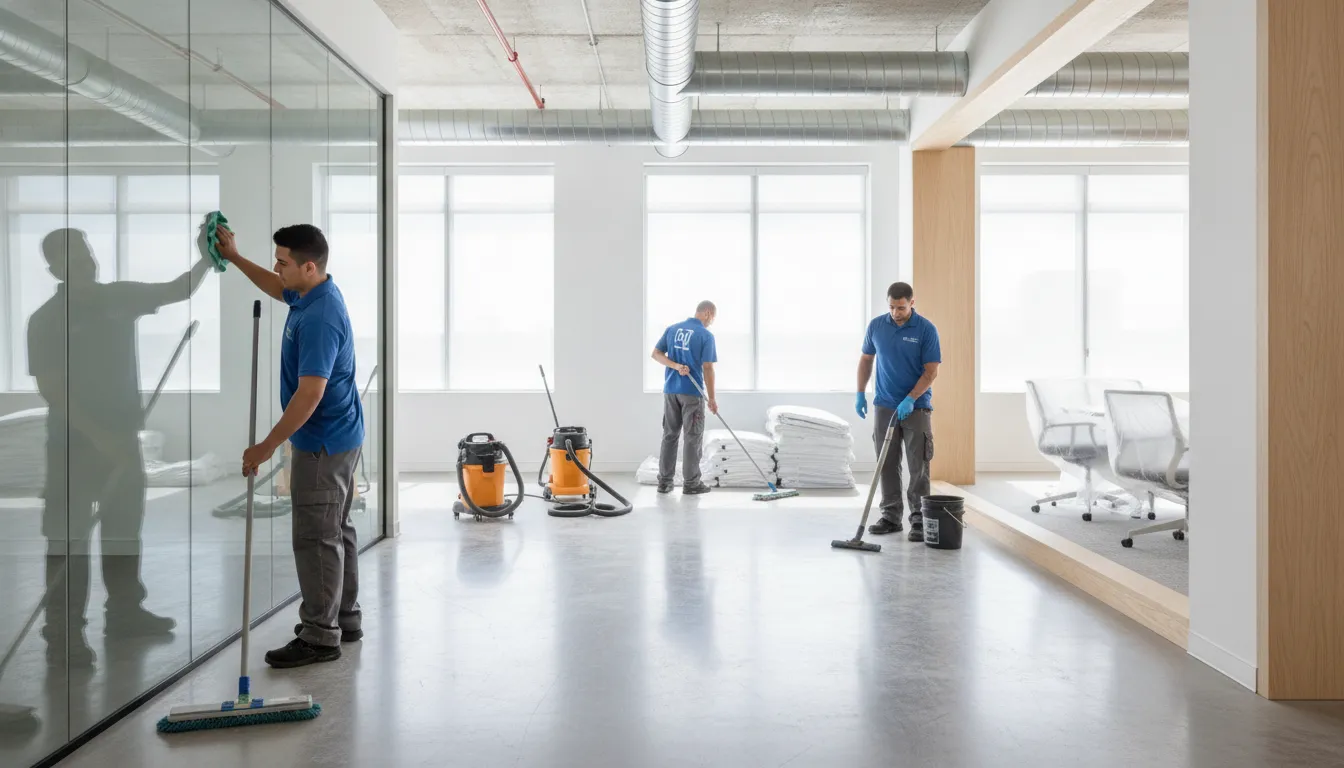
Moving into a newly built or renovated property should feel exciting, not like another construction task. Yet many spaces still contain fine dust, scraps, fingerprints, paint marks, adhesive, and protective coverings after the contractors leave. Cleaning every room yourself can take days, especially when the property has high ceilings, multiple floors, delicate finishes, or large windows. Post construction cleaning services give homeowners and businesses a practical way to prepare the space without adding another major task to the moving checklist. From detailed kitchens and bathrooms to floors, vents, trim, and glass, professional cleaners can handle the final work that makes a property feel truly ready.
Key Takeaways
- Post-construction cleaning covers detailed residue removal: Expect services for fine dust, debris, packaging, paint, adhesive, grout haze, windows, floors, cabinets, fixtures, vents, and other overlooked areas.
- The cleaning plan should match the project stage: Rough, detail, final, and touch-up services may be scheduled separately to prevent repeated work and prepare the property for inspection, handoff, or move-in.
- Review the provider before booking: Confirm experience, insurance, cleaner screening, equipment, pricing, exclusions, disposal requirements, scheduling, and the spotless guarantee in writing.
What Do Post-Construction Cleaning Services Include?
Post-construction cleaning prepares a newly built or renovated property for move-in, inspection, opening, or handoff. It goes beyond picking up visible waste. Professional cleaners remove fine dust, packaging, protective film, residue, and marks from the surfaces people notice first, as well as the areas that are easy to miss.
The timing matters. Cleaning too early can mean repeating the work while contractors are still on-site. Waiting too long may delay your move, reopening, or property turnover. A cleaning team can coordinate with homeowners, contractors, property managers, and site contacts to schedule the work when the space is ready.
A complete service may include rough, detail, and final cleaning, along with specialty work for windows, floors, appliances, high surfaces, or built-ins. Before booking, request a written scope that lists the rooms, surfaces, phases, exclusions, and any additional charges. The Cleaning Authority’s post-construction service overview provides a helpful example of the areas a professional team may cover.
Rough, detail, and final cleaning
Post-construction cleaning usually follows three stages: rough cleaning, detail cleaning, and final cleaning. Each stage has a specific purpose, and completing them in order helps prevent repeated work or damage to new finishes.
Rough cleaning begins after the main construction work is finished. Cleaners remove larger debris, leftover materials, packaging, and heavier layers of dust so the property is safer and easier to work in.
Detail cleaning addresses the residue left behind on cabinets, trim, windows, floors, appliances, fixtures, and built-ins. The team works through rooms methodically, cleaning both broad surfaces and small edges.
Final cleaning takes place shortly before occupancy, inspection, or handoff. Cleaners check glass, floors, touchpoints, fixtures, and visible surfaces, then complete agreed touch-ups. This three-stage approach is also discussed in guidance about common post-construction cleaning mistakes.
Remove debris, dust, packaging, and film
A newly completed property may contain cardboard, plastic wrap, foam inserts, tape, labels, protective film, wood scraps, drywall dust, and small pieces of construction material. Even when the larger waste has been removed, fine particles can remain inside cabinets, along baseboards, on window tracks, and around vents.
Cleaners typically collect loose debris first to prevent it from scratching floors or spreading through the property. They then vacuum and wipe from higher surfaces downward, allowing dust to settle before the final floor cleaning.
The tools matter, too. Professional teams may use HEPA-filtered vacuums, microfiber cloths, extension tools, and surface-appropriate products. These methods help remove fine residue without pushing it into corners or damaging finished materials. ServiceMaster Clean explains the role of after-construction cleaning when preparing commercial spaces for use.
Clean walls, ceilings, trim, doors, baseboards, and built-ins
Walls and ceilings can appear clean while still carrying a thin layer of dust from sanding, cutting, and drilling. A professional cleaner removes that residue carefully, using methods suited to paint, plaster, wallpaper, paneling, or other finishes.
Trim, doors, baseboards, shelving, and built-ins need the same attention. Dust often settles along seams, hinges, handles, corners, and the tops of door frames. Cleaning these edges helps the property look finished rather than recently worked on.
New materials require a gentle approach. Abrasive pads or unsuitable chemicals can leave marks, dull surfaces, or remove paint. Cleaners should identify the material before choosing a product and test unfamiliar solutions in an inconspicuous area. This is especially important when a renovation combines wood, tile, painted surfaces, metal, and glass in one room.
Clean cabinets, countertops, appliances, fixtures, and grout
Kitchens, bathrooms, utility rooms, offices, and retail spaces often need detailed cleaning after construction. Dust can settle inside cabinets and drawers, around countertop seams, behind appliances, and along backsplashes.
A cleaning team may wipe cabinets, countertops, sinks, faucets, toilets, handles, appliances, and other fixtures. Grout may require extra care because dust and grout haze can settle into its textured surface. The correct method depends on the material, sealant, and condition of each area.
Paint, adhesive, and residue should not be scraped aggressively from delicate finishes. Cleaners may test a product before applying it widely, which helps reduce the risk of staining or scratching. A detailed post-construction cleaning checklist can help ensure that small but noticeable areas receive attention.
Clean windows, glass, tracks, and floors
Sunlight often makes construction residue on windows and glass especially noticeable. Post-construction window cleaning may include the glass, frames, sills, edges, and tracks, depending on the agreed service.
Floors also need a material-specific approach. Cleaners remove loose dust first, then use products and equipment suited to hardwood, tile, vinyl, laminate, concrete, or natural stone. Too much water or an unsuitable solution can damage a new floor, affect its finish, or leave a cloudy film.
The service may also include vacuuming corners, cleaning stair surfaces, wiping thresholds, and removing residue along floor edges. Ask whether the quote covers interior and exterior glass, high windows, floor polishing, or carpet cleaning. These items are often priced separately from standard post-construction cleaning.
Remove paint, adhesive, caulk, scuffs, and stickers
Small marks can make a newly finished property look incomplete. Common examples include paint splatters on flooring, adhesive on glass, dried caulk near fixtures, scuffs on walls, and stickers on windows or appliances.
Removing these materials requires the right tool and a controlled technique. Depending on the surface, cleaners may use a plastic scraper, a suitable solvent, gentle moisture, or a specialty product. They should avoid methods that scratch glass, lift paint, damage sealant, or dull a finished floor.
Not every mark can be removed safely. A deep scratch, permanent stain, or damaged surface may need repair rather than cleaning. An experienced team should point out those limits during the assessment. Sharing photos or arranging a walkthrough before booking can help confirm which marks are cleaning issues and which require another trade.
Clean vents, beams, ledges, and light fixtures
Dust settles on high and narrow surfaces that are easy to miss during a quick cleanup. These areas may include ceiling beams, ledges, exposed shelving, light fixtures, fan blades, vent covers, tops of doors, and the space above cabinets.
Cleaning them helps keep dust from falling onto freshly cleaned floors, furniture, and countertops. It can also make the space more comfortable when vents or return grilles have collected construction dust.
High surfaces require safe access and suitable equipment. Cleaners may use extension tools, ladders, or commercial vacuums, depending on the property. Electrical fixtures should be handled carefully, and products should not be sprayed directly onto lights unless the manufacturer permits it. Ask whether high surfaces, fans, and fixtures are included in the standard scope or available as add-ons. The Cleaning Authority’s service details include several of these often-missed areas.
Follow residential and commercial cleaning checklists
A written checklist gives the team a consistent way to work through the property. It can include rooms, surfaces, fixtures, floors, glass, high areas, touchpoints, and final inspection items.
A residential checklist may cover kitchens, bathrooms, bedrooms, living areas, storage spaces, stairs, and entryways. A commercial checklist may also include offices, restrooms, break rooms, retail areas, corridors, stairwells, loading zones, and shared equipment.
The checklist should reflect the property’s size, layout, finishes, and intended use. It should also identify areas that are not ready for cleaning, such as rooms containing active construction materials or unfinished electrical work. After the service, the site contact can complete a walkthrough with the cleaning team and note any agreed touch-ups. This keeps expectations clear for everyone involved.
Clarify exclusions, hazardous materials, and debris hauling
Post-construction cleaning does not automatically include every type of cleanup. Before booking, confirm whether the price covers large debris removal, exterior areas, high windows, carpet cleaning, pressure washing, appliance interiors, or floor treatments.
Hazardous materials require special care. Paint, solvents, asbestos, lead, mold, sharps, chemicals, and certain building materials may need licensed specialists instead of a standard cleaning crew. Cleaners should not handle unsafe materials without the proper training, equipment, and authorization. The EPA’s lead renovation guidance is one example of why some renovation-related work has specific safety requirements.
Debris hauling is another detail to settle in advance. Some companies collect light waste but do not remove heavy materials, construction waste, or items requiring special disposal. Ask what the team can take away, where it will be placed, and whether disposal fees apply. Your written estimate should list the scope, exclusions, access requirements, utilities, schedule, and any conditions that could change the final price.
How Do Post-Construction and Regular Cleaning Differ?
Regular cleaning maintains an occupied home or workplace between visits. It focuses on everyday dust, crumbs, fingerprints, bathroom buildup, surface marks, and routine floor care. Post-construction cleaning serves a different purpose: it prepares a newly built or renovated property for inspection, handoff, reopening, or move-in.
Construction can leave behind fine dust, sawdust, packaging, paint splatters, grout haze, adhesive, caulk, stickers, and debris. These materials may collect inside vents, along trim, on ledges, beneath fixtures, and in window tracks. Professional cleaners must remove this residue without damaging new floors, cabinets, glass, appliances, walls, or other finished surfaces.
The work may also involve several cleaning phases and coordination with contractors, property managers, and occupants. A team needs to know which areas are ready, which trades are still working, and when the property must be prepared. The Cleaning Authority explains why post-construction cleaning involves both detailed surface care and job-site safety checks.
Remove fine construction dust, not everyday dirt
Construction dust is finer and more persistent than the dust found during regular maintenance cleaning. It can settle on ceilings, walls, trim, shelves, floors, fixtures, and vents, then become airborne again when someone walks through the room or turns on the HVAC system.
Post-construction cleaners work methodically from high surfaces down to the floor. They may vacuum corners, ledges, vents, tracks, and gaps before wiping surfaces with microfiber tools. This process helps prevent dust from spreading onto areas that have already been cleaned.
Fine particles can affect comfort and indoor air quality, especially in a newly renovated home or enclosed commercial space. ServiceMaster Clean outlines why construction dust and debris should be removed before a property becomes occupied.
Remove paint, grout, adhesive, and caulk
Regular cleaning products are made for common household and workplace messes. They may not remove dried paint, grout haze, construction adhesive, silicone caulk, or stubborn stickers. Each type of residue requires a suitable product and tool.
A professional cleaner might use a scraper, specialty solvent, nonabrasive pad, or targeted treatment. The method must suit the surface underneath. Aggressive scraping or harsh chemicals can scratch glass, dull a countertop, damage finished wood, or mark a new floor.
Cleaners also need to distinguish removable residue from a defect that should be reported to the contractor. Spotless Facility Solutions explains how specialized products and equipment help remove construction residue safely.
Use HEPA vacuums, microfiber tools, PPE, and commercial equipment
Post-construction cleaning often requires more than a household vacuum and general-purpose spray. HEPA-filtered vacuums can capture fine particles rather than sending them back into the air. Microfiber cloths and mop heads collect dust effectively while reducing the risk of scratching delicate surfaces.
Personal protective equipment, including gloves, eye protection, masks, and protective footwear, may be necessary depending on the site. Cleaners can encounter sharp fragments, exposed fasteners, insulation fibers, wet floors, and leftover materials.
Commercial equipment also helps teams clean large areas consistently and reach ceilings, beams, vents, high ledges, and other difficult spaces. The right tools depend on the property, materials, and cleaning phase. A reliable company should explain how its equipment suits fine dust and finished surfaces.
Protect new finishes, flooring, and fixtures
A new surface is not automatically a surface that can withstand aggressive cleaning. Freshly installed floors, painted walls, cabinetry, countertops, glass, and fixtures may each require a specific method. The wrong pad, brush, chemical, or amount of water can cause scratches, streaks, stains, or other damage.
Professional cleaners assess materials before choosing their products and tools. They use gentle equipment on delicate surfaces, limit moisture around unfinished areas, and replace cloths or mop heads when needed to prevent residue from spreading.
They also work in a logical order, cleaning overhead areas before walls, fixtures, and floors. This approach limits rework and protects surfaces during the final stages of a project. Careful planning is especially important when a property appears complete but still contains construction residue.
Clean hard-to-reach areas and manage job-site hazards
Construction residue often collects in areas that routine cleaners do not need to address. These may include the tops of cabinets, light fixtures, ceiling beams, vents, window tracks, spaces behind appliances, baseboard gaps, and areas beneath built-ins.
Post-construction teams must also watch for hazards that are less common in an occupied property. Loose wires, sharp debris, wet materials, open utility areas, unstable objects, and leaks can create safety concerns. A professional cleaner should know when an area is unsafe and when to notify the site contact.
Before work starts, the cleaner and property representative should confirm that the site is ready. Lighting, utilities, access, completed installations, and ongoing contractor activity can all affect the work.
Complete multiple cleaning phases, not routine maintenance
Post-construction cleaning commonly takes place in stages. A rough clean removes larger debris, packaging, sawdust, and leftover materials after major construction ends. A detail or light clean focuses on dust, residue, fixtures, cabinets, windows, trim, and other surfaces. A final clean takes place near handoff, inspection, reopening, or move-in.
Some projects also need touch-up cleaning after contractors complete repairs or installers return to the property. Each phase has a different purpose, so one visit may not be enough for a major renovation or commercial build-out.
Staging the work also prevents unnecessary repetition. For example, there is little value in completing a final floor cleaning before another trade enters the property and creates new dust. Pink Lady Cleaning describes the rough, light, and final sparkle stages used in post-build cleaning.
Coordinate with contractors, property managers, and occupants
Regular cleaning usually follows a recurring schedule. Post-construction cleaning depends on the project timeline, so cleaners may need to work around painting, flooring installation, plumbing, electrical work, or cabinet installation.
Clear communication helps everyone understand when the site is accessible, which rooms are ready, and what still needs attention. Contractors can identify surfaces that require special care, property managers can provide access details, and occupants can share priorities for a move-in or reopening.
A written scope should list the cleaning phases, included rooms, specialty services, debris expectations, and exclusions. After the work, a walkthrough gives the site contact a chance to identify eligible touch-ups before the property is occupied or handed over. This coordinated process keeps the cleaning aligned with the project rather than treating it like a standard maintenance visit.
Why Hire Professional Post-Construction Cleaners?
Construction may be finished, but the property is not always ready for people to use. Fine dust can settle on floors, shelves, vents, and fixtures, while paint splatters, adhesive, grout haze, packaging, and protective film remain in less obvious places. These materials can make a newly renovated space look unfinished and may be difficult to remove with everyday cleaning products.
Professional post-construction cleaners use a planned process, commercial equipment, and detailed checklists to prepare the property for move-in, reopening, inspection, or handoff. They know how to clean around new finishes, identify areas that are easy to overlook, and adjust their approach for homes, offices, retail spaces, and larger facilities.
Hiring a professional team also saves property owners, contractors, and employees from taking on a time-consuming cleanup. Instead of fitting the work around other responsibilities, you can arrange service around the project schedule and receive a clear scope of work before cleaning begins. This makes it easier to prepare the property safely and present it in the best condition possible.
Speed up move-ins, reopenings, and property turnover
A property may not be ready for residents, employees, or customers as soon as construction ends. Dust, debris, leftover materials, and protective coverings can make the space uncomfortable and leave it looking incomplete. Construction crews are generally focused on completing the build, so detailed cleaning may not be part of their work. ServiceMaster Clean explains why post-construction cleaning matters for commercial projects, particularly when a business has a reopening or turnover deadline.
Professional cleaners can begin once the site is safe and ready. They help prepare a home for move-in, an office for employees, or a retail space for customers without placing the responsibility on your staff. Completing the cleanup promptly can also reduce the time a property remains unused after renovation.
Improve indoor air quality and comfort
Construction dust is often finer and more persistent than the dirt removed during routine cleaning. It can collect inside cabinets, settle on ledges, enter vents, and become airborne when people walk through the space. Removing that residue helps create a more comfortable environment for residents, employees, visitors, and customers.
Professional cleaners use methods suited to fine dust, including HEPA-filtered vacuums, microfiber tools, and careful surface cleaning. They can also address paint splatters, adhesive, grout haze, and similar residues that affect the appearance and feel of a newly finished property. Specialized post-construction cleaning equipment is often better suited to this work than ordinary household tools.
Catch missed details before inspections and handoffs
A quick walkthrough can make a property appear clean while dust and residue remain in places people rarely check. Window tracks, cabinet interiors, baseboards, light fixtures, vents, door edges, and the tops of built-ins can all hold construction debris. These details may become noticeable during an inspection, final walkthrough, or handoff.
Professional cleaners work through the property systematically, rather than focusing only on visible floors and counters. They can follow separate checklists for rough, detail, and final cleaning, then review the results before the property changes hands. This staged approach recognizes that post-construction cleaning involves multiple phases, not one quick visit at the end of a project.
Reduce the risk of surface and finish damage
New flooring, cabinetry, countertops, glass, and fixtures require suitable tools and products. A rough pad, harsh chemical, or unsuitable scraper can scratch, dull, stain, or otherwise damage a finished surface. Rushing can also leave abrasive dust behind, which may cause damage when it is dragged across floors or wiped over delicate materials.
Experienced post-construction cleaners assess each surface before choosing a cleaning method. They use appropriate techniques for wood, tile, stone, glass, painted walls, stainless steel, and other finishes. A careful process helps preserve the property while removing residue that basic dusting and mopping cannot address. This matters because post-construction cleanup goes beyond basic cleaning.
Clean high, tight, and difficult areas efficiently
Construction residue does not stay at floor level. Dust can collect on beams, ceiling fixtures, ledges, vents, cabinet tops, and other elevated surfaces. Tight spaces around appliances, behind doors, inside tracks, and along trim may also require extra time and specialized tools.
Professional cleaners know how to work through these areas efficiently while following appropriate safety practices. Depending on the property and service scope, they may use extension tools, commercial vacuums, microfiber systems, and suitable access equipment. Their rough, detail, and final cleaning phases help ensure difficult areas receive attention instead of being left for someone to discover during a walkthrough.
Serve homes, offices, retail spaces, and facilities
Post-construction cleaning is useful for more than newly built houses. Homeowners may need help after a kitchen renovation, bathroom remodel, addition, or flooring project. Property managers may need a renovated apartment ready for its next resident, while businesses may need offices, stores, clinics, warehouses, or other facilities cleaned before reopening.
A professional service can adjust the plan to match the property, project stage, and intended use. Residential work may focus on cabinets, appliances, windows, floors, and living areas. Commercial work may require larger teams, coordinated access, detailed checklists, and scheduling around contractors or building managers. Post-construction cleaning services can therefore support many types of properties and renovation projects.
Work with vetted, insured cleaners and a spotless guarantee
Construction sites can contain sharp debris, unfinished surfaces, dust, and materials that require careful handling. Choosing a company with vetted cleaners and appropriate insurance gives property owners more confidence when inviting a team into a home or business. It also helps ensure the work is handled by people who understand professional cleaning standards.
Before booking, ask what the service includes, which areas are excluded, and how the company handles concerns after the appointment. A spotless guarantee provides additional reassurance when the provider offers a return visit for eligible issues. Reputable cleaning companies may support their work with a satisfaction guarantee, giving you a clear way to request follow-up service if something was missed.
How Much Do Post-Construction Cleaning Services Cost?
Post-construction cleaning services can start at around $720, but the final price depends on the property, the condition of the space, and the work included. A small home renovation may take a few hours, while a large commercial project may require several days and a larger crew. Project size and complexity affect cleaning time, so square footage is only one part of the estimate.
When comparing quotes, look beyond the total price. One company may include dust removal and floors, while another may also cover windows, cabinets, appliances, interior fixtures, debris removal, and touch-ups. Ask for a written scope of work before booking so you can compare services accurately and avoid unexpected charges.
Compare pricing by property type, size, and cleaning phase
Property type is one of the first factors that affects the cost of post-construction cleaning. A small apartment, single-family home, office, retail unit, and commercial facility each require different amounts of labor, equipment, and coordination. Larger spaces usually cost more, but a smaller property with several floors, heavy dust, or detailed finish work may take just as much time.
The construction stage also matters. A property that has already had large debris removed may cost less to clean than one filled with scraps, packaging, protective film, and settled dust. Ask whether the estimate covers rough cleaning, detail cleaning, final cleaning, or multiple visits. Property owners, contractors, and project managers often hire specialized teams to prepare a space for its next stage. ServiceMaster Clean explains why commercial projects often need dedicated post-construction cleaning.
Understand per-square-foot, hourly, flat-rate, and custom pricing
Cleaning companies commonly use per-square-foot, hourly, flat-rate, or custom pricing. Per-square-foot pricing can work well for large, open spaces. Hourly pricing may suit smaller projects or properties that are difficult to assess in advance. Flat-rate pricing offers a set cost for a clearly defined scope, while custom pricing is common for complex renovations and commercial sites.
The right pricing method depends on how much the cleaner knows about the property. The company may need photos, a walkthrough, floor plans, or details from the contractor before providing a firm quote. Ask whether labor, equipment, supplies, travel, disposal, and additional visits are included. If the estimate uses an hourly rate, request an expected time range and ask which conditions could change the final price.
Consider property condition, layout, access, and dust levels
Two properties with the same square footage can have very different cleaning costs. A home with fine dust throughout every room, dried grout on tile, paint splatters on trim, and adhesive on flooring will take longer than a space that has already received a basic cleanup. The condition of walls, floors, windows, cabinetry, fixtures, and appliances should all be considered.
The layout and site conditions matter, too. Stairs, narrow hallways, high ceilings, limited parking, restricted building access, and missing utilities can make the work more difficult. Dust may settle inside vents, on beams, and along high ledges. Post-construction cleaning may also involve surface residue, loose wires, leaks, or materials that need special handling. The Cleaning Authority outlines conditions that can affect post-construction cleaning.
Price rough, detail, final, and touch-up cleaning
Many projects require more than one cleaning visit. Rough cleaning typically takes place after major construction work and focuses on larger debris, packaging, and loose dust. Detail cleaning follows, targeting cabinets, trim, doors, fixtures, windows, floors, and other surfaces that need closer attention.
Final cleaning prepares the property for an inspection, handoff, move-in, or reopening. Some projects also require a touch-up visit after contractors complete more work or an inspection identifies missed areas. Each phase adds labor, supplies, and scheduling requirements, so confirm whether the estimate covers one phase or the full process. Cleaning too early can create extra work if painting, sanding, or installation continues afterward.
Add windows, floors, high surfaces, appliances, and specialty services
Specialty tasks may add to the cost because they require more time, additional equipment, or specific training. These services can include interior and exterior window cleaning, glass polishing, track cleaning, floor scrubbing, floor finishing, carpet cleaning, appliance cleaning, and the removal of paint or adhesive. High surfaces such as beams, ledges, ceiling fixtures, and vents may also require ladders or commercial equipment.
Ask the cleaner to list these services separately in the estimate. This makes it easier to decide which tasks must be completed before move-in and which can wait. Clarify whether the team will clean inside cabinets, drawers, appliances, and storage areas. Project size and layout have a major effect on timing. A small residential renovation may take hours, while a large commercial project may require several days. Spotless Facility Solutions explains how project complexity affects cleaning time.
Account for disposal, utilities, scheduling, and project complexity
Debris removal can increase the total cost, especially when the site contains bulky materials, large amounts of packaging, or items that cannot go into standard trash collection. Ask whether the cleaning team will gather debris only or transport it away. Disposal, hauling, recycling, and the handling of certain materials may be billed separately.
The property also needs to be ready for the crew. Water, electricity, working lights, elevators, parking, and safe access can all affect labor and scheduling. A tight deadline may require evening work, weekend service, extra cleaners, or multiple teams. Identify hazardous materials before work begins, since a standard cleaning crew may not be equipped or authorized to remove them. The Cleaning Authority notes that debris and hazardous-material disposal can affect the overall cost.
Compare residential and commercial cleaning costs
Residential post-construction cleaning usually covers homes, apartments, condos, or individual renovation areas. The work may focus on kitchens, bathrooms, bedrooms, windows, floors, cabinets, and living spaces. A smaller property may cost less overall, but detailed finishes, tight access, heavy dust, or multiple cleaning phases can increase the price.
Commercial cleaning often involves larger spaces and more coordination. Offices, retail stores, warehouses, medical facilities, and multi-unit properties may require work across several floors, specialized equipment, strict scheduling, and documentation for inspections or handoffs. Teams may also need to work around contractors, deliveries, fixtures, and building management requirements. Because commercial projects vary widely, companies often provide custom estimates instead of a standard rate. ServiceMaster Clean describes the added requirements of commercial post-construction cleaning.
Review the estimate, scope, and exclusions
Before approving a quote, check exactly what the cleaners will do, when they will do it, and what the price includes. The scope should identify the rooms or areas covered, cleaning phases, surfaces, equipment, labor, supplies, debris handling, and specialty services. It should also state whether the team will return for touch-ups if an inspection identifies missed areas.
Review the exclusions just as carefully. These may include hazardous-material removal, exterior work, heavy debris hauling, high-access areas, carpet replacement, paint correction, or repairs. Confirm whether taxes, travel fees, parking, supplies, and additional labor are included. Spotless Facility Solutions recommends reviewing the estimate and exclusions before cleaning begins. A clear written agreement helps you compare providers and gives the cleaning team a practical checklist for the job.
How Do You Choose a Reliable Post-Construction Cleaner?
The right post-construction cleaner does more than remove visible dust. They should understand how construction residue affects finished surfaces, indoor air quality, safety, and your move-in or reopening schedule. Before you book, compare each company’s experience, cleaning process, equipment, communication, and customer protections.
Ask for a written estimate that explains what the team will clean, when each phase will happen, and what happens if something is missed. A clear scope makes it easier to compare providers and helps prevent unexpected charges after work begins.
Look for residential and commercial cleaning experience
Post-construction cleaning differs from routine housekeeping and office janitorial work. It may involve fine dust, paint splatters, adhesive, grout haze, packaging, protective film, and debris left in corners or on high surfaces. Cleaners should know how to remove these materials without scratching new flooring, damaging fixtures, or dulling finished surfaces. ServiceMaster Clean explains the difference between standard upkeep and specialized cleaning after construction.
Ask whether the company has worked on properties similar to yours. A renovated home, retail storefront, and commercial facility each have different access requirements, surfaces, safety concerns, and deadlines. Experience with both residential and commercial properties can also show that the team knows how to adapt its checklist to the space.
Confirm vetted cleaners, insurance, bonding, and safety practices
Cleaners may work around expensive appliances, new flooring, glass, cabinetry, and unfinished areas that require extra care. Ask how the company screens its cleaners and whether workers receive training for post-construction jobs. You can also ask whether the company is insured and bonded, then request confirmation if those details are not clearly listed online.
Safety practices matter when a property still contains ladders, tools, exposed materials, or restricted areas. Find out how cleaners protect entrances, secure the property, manage cords and equipment, and keep unauthorized people away from the work area. A professional company should explain its process clearly. Bay Area Janitorial outlines cleaner screening and safety practices that can help you compare providers.
Check for equipment suited to fine dust and finished surfaces
Construction dust can settle inside vents, along trim, on ledges, and in small gaps that ordinary cleaning tools may miss. Reliable teams should use commercial equipment designed for fine particles, such as HEPA-filter vacuums, microfiber tools, extension equipment, and suitable protective gear. Cleaning products should also match the surface being treated.
Ask how the company handles delicate flooring, glass, stainless steel, natural stone, painted walls, and newly installed fixtures. A knowledgeable cleaner can explain which products and tools are appropriate for each material instead of applying one solution everywhere. Specialized post-construction equipment can help remove paint, adhesive, and grout residue while reducing the risk of damage.
Clarify the scope, phases, exclusions, and add-ons
Request a detailed checklist before approving the work. Many post-construction projects use three stages: a rough clean to remove larger debris and heavy dust, a detail clean for surfaces and fixtures, and a final clean before occupancy. Some properties need all three phases, while others need only detail or final cleaning after the contractor completes the rough work.
Your estimate should identify included rooms, surfaces, windows, floors, appliances, high areas, and debris. It should also list exclusions, such as hazardous materials, large-scale construction waste, exterior washing, or heavy lifting. Ask about add-ons for inside cabinets, interior windows, appliance cleaning, high dusting, floor treatment, and touch-ups. A three-phase cleaning approach can help explain why the scope may change as the property nears completion.
Review testimonials, references, inspections, and guarantees
Look for reviews that mention post-construction work specifically, rather than only recurring house cleaning. Pay attention to comments about punctuality, care with new finishes, communication, and attention to detail. If the project is large or time-sensitive, ask for references from a comparable home, business, or facility.
It is also worth asking how the final inspection works. Will someone walk through the space with you, or will the team complete an internal quality check? A satisfaction guarantee can provide extra reassurance when it explains how quickly you must report an issue and whether the company offers a return visit. Some providers allow customers to report missed areas within 24 hours for a no-cost touch-up, as described by Green Planet Cleaning Services.
Confirm communication with contractors, managers, and site contacts
Post-construction cleaning often involves several people. Contractors may still be completing installations, property managers may control access, and occupants or business owners may have specific priorities. Choose a company that confirms who will provide entry, who can answer questions, and which areas are ready for cleaning.
Before booking, share the site contact’s name and phone number, along with instructions about alarms, keys, parking, loading areas, elevators, or restricted rooms. The cleaner should also know whether another trade will return after the appointment. Clear communication prevents the team from cleaning an area too early or arriving when the property is not safe or ready.
Check availability for deadlines, walkthroughs, and touch-ups
Ask whether the company can work within your project schedule, including evenings, weekends, phased handoffs, and final inspection dates. A cleaner may provide excellent service but still be the wrong choice if they cannot finish before tenants move in, customers return, or a property manager completes the handoff.
Confirm the arrival window, expected completion time, walkthrough date, and process for requesting touch-ups. If the construction schedule changes, ask how much notice the company needs to reschedule. Online booking and flexible appointment options can simplify planning, but confirm the details with a real contact before cleaning day. Some providers offer online estimates and flexible scheduling, which can help when the completion date is still changing.
How Do You Book Post-Construction Cleaning Services?
Booking post-construction cleaning starts with sharing the right project details. A professional cleaning company needs more than the property address to prepare an accurate estimate. Be ready to provide the approximate size, property type, location, construction stage, surfaces that need attention, and the date the space must be ready.
You should also explain whether the cleaning is for a move-in, inspection, tenant handoff, open house, or commercial reopening. This helps the team recommend the right cleaning phases and schedule enough time for detailed work. Property owners, general contractors, and project managers often arrange this service, particularly when the space needs to be safe, presentable, and ready for use.
Before choosing a provider, confirm that the company works with trained, insured cleaners and has experience with both finished residential and commercial spaces. A clear written scope, simple online booking, and a spotless guarantee can make the process easier from the first estimate through the final walkthrough.
Share the property size, location, stage, and priorities
Begin with the basic details: the property address, approximate square footage, number of rooms, property type, and preferred cleaning date. Explain whether the space is a home, office, retail unit, apartment building, or another commercial facility. Each setting may require a different crew size, equipment list, and cleaning schedule.
Then describe the construction stage. Let the cleaner know whether installation is complete, contractors are still making repairs, or only final details remain. Mention new flooring, windows, cabinets, bathrooms, appliances, high surfaces, and other areas that need extra attention.
Be specific about your deadline, too. The property may need to pass an inspection, welcome tenants, reopen to customers, or be ready for a move-in. ServiceMaster Clean explains why post-construction cleaning matters for commercial projects, including the importance of preparing a space before it returns to regular use.
Confirm access, utilities, readiness, and safety requirements
Confirm that the property has working electricity and running water before the appointment. Ask whether the cleaning team can use the building’s heating or cooling system, where cleaners should park, and who will provide keys, access codes, or entry instructions. If the site has security procedures, elevators, loading areas, or restricted rooms, share those details in advance.
The property should also be ready for cleaning. Active construction can create new dust or damage surfaces that have already been cleaned, so coordinate the appointment with contractors and project managers. Tell the company about loose wires, leaks, unstable materials, open areas, or other site hazards.
Disclose any paint, solvents, insulation, broken glass, or other materials that may need special handling. Post-construction cleaners may not remove hazardous materials unless that service is specifically arranged. The Cleaning Authority’s post-construction cleaning guidance highlights the importance of addressing safety concerns and disposal requirements before work begins.
Choose the cleaning phases and specialty services
Ask which cleaning phases suit the property. Many projects include a rough clean to remove larger debris, a detail clean to remove dust and residue, and a final clean before the space is occupied. If contractors have already removed debris and completed the rough work, you may only need detail and final cleaning.
Next, discuss specialty services. These may include interior window cleaning, floor care, cabinet detailing, appliance cleaning, high-surface dusting, vent cleaning, and removal of stickers, paint, adhesive, grout, or caulk. If the building has delicate flooring, new fixtures, or specialty finishes, tell the company so cleaners can use appropriate products and tools.
A phased plan keeps cleaning aligned with construction milestones. It also reduces the chance that contractors will create new dust in an area that has already been finished. Pink Lady’s explanation of post-construction cleaning phases offers a helpful example of how rough, detail, and final cleaning can fit together.
Review the scope, price, schedule, exclusions, and guarantee
Request a written estimate before approving the service. It should explain which rooms and surfaces are included, how many cleaning phases are covered, what equipment the team will use, and whether debris removal is part of the price. Make sure the scope mentions areas such as cabinets, appliances, windows, floors, vents, trim, and high surfaces when they are part of your priorities.
Ask what could cost extra. Common exclusions may include heavy debris hauling, hazardous materials, exterior windows, excessive buildup, difficult access, or work in unfinished areas. Confirm whether the company charges a flat rate, hourly fee, or custom project price, and ask what could change the estimate.
Review the arrival window, expected completion time, cancellation terms, and touch-up policy. A satisfaction guarantee should explain how soon you need to report an issue and which corrections qualify. Some providers offer a return visit for eligible concerns, as Green Planet Cleaning Services explains in its post-construction service information.
Book online and confirm arrival details
After reviewing the estimate, book online or contact the company directly. An online booking form may ask for the property type, square footage, location, preferred date, and cleaning priorities. Photos can also help the team understand dust levels, debris, unfinished areas, and surfaces that need special care.
Once the appointment is confirmed, check the arrival date, time window, property address, parking instructions, entry method, and on-site contact. Tell the company if cleaners need to sign in with building security, use an elevator, bring keys, or work within specific hours.
Save the estimate and booking confirmation. If the construction schedule changes, contact the cleaning company promptly rather than waiting until the appointment day. This gives the team time to adjust staffing or move the booking. Fresh and Clean Housekeeping provides an example of online booking and flexible scheduling for post-construction projects.
Complete the walkthrough and request eligible touch-ups
Arrange a walkthrough before cleaning begins whenever possible. Show the team which rooms are complete, identify newly installed finishes that need gentle products, and point out areas contractors have marked as ready. Confirm where cleaners can find water, power, supplies, keys, and waste containers.
When the work is finished, inspect the property in good lighting. Check floors, windows and tracks, corners, trim, baseboards, cabinets, light fixtures, vents, ledges, and other places where fine construction dust can collect. Compare the results with the written scope instead of relying on a quick look across the room.
If you notice a missed area covered by the agreement, report it promptly and follow the company’s touch-up process. Some guarantees require concerns to be reported within a specific period. A careful walkthrough helps address eligible issues before a final inspection, property handoff, move-in, or reopening. Spotless Facility Solutions recommends a planned inspection to help prevent overlooked details.
Frequently Asked Questions
When should post-construction cleaning be scheduled? Schedule cleaning after major construction work, installations, and repairs are complete. Larger projects may need several visits, with rough cleaning first, detailed cleaning next, and a final visit before move-in, inspection, reopening, or handoff.
Does post-construction cleaning include debris removal? It may include light debris, packaging, protective film, and loose construction materials, but heavy hauling is often separate. Confirm whether the company handles disposal, recycling, bulky waste, or hazardous materials before booking.
Can cleaners remove paint, adhesive, grout haze, and caulk? Many professional teams can treat common construction residue with suitable tools and products. The method depends on the surface, and deep scratches, permanent stains, or damaged finishes may require repair instead of cleaning.
How much does post-construction cleaning cost? Pricing depends on property size, dust levels, layout, cleaning phases, access, specialty services, and debris volume. Request a written estimate that lists included rooms, surfaces, add-ons, exclusions, labor, equipment, and possible disposal charges.
What should I ask before hiring a post-construction cleaner? Ask about experience, cleaner screening, insurance, equipment, safety procedures, availability, and the final inspection process. Confirm the written scope, touch-up policy, guarantee, access requirements, and whether the team has experience with your property type and finishes.