Multifamily Property Cleaning: A Guide for Managers
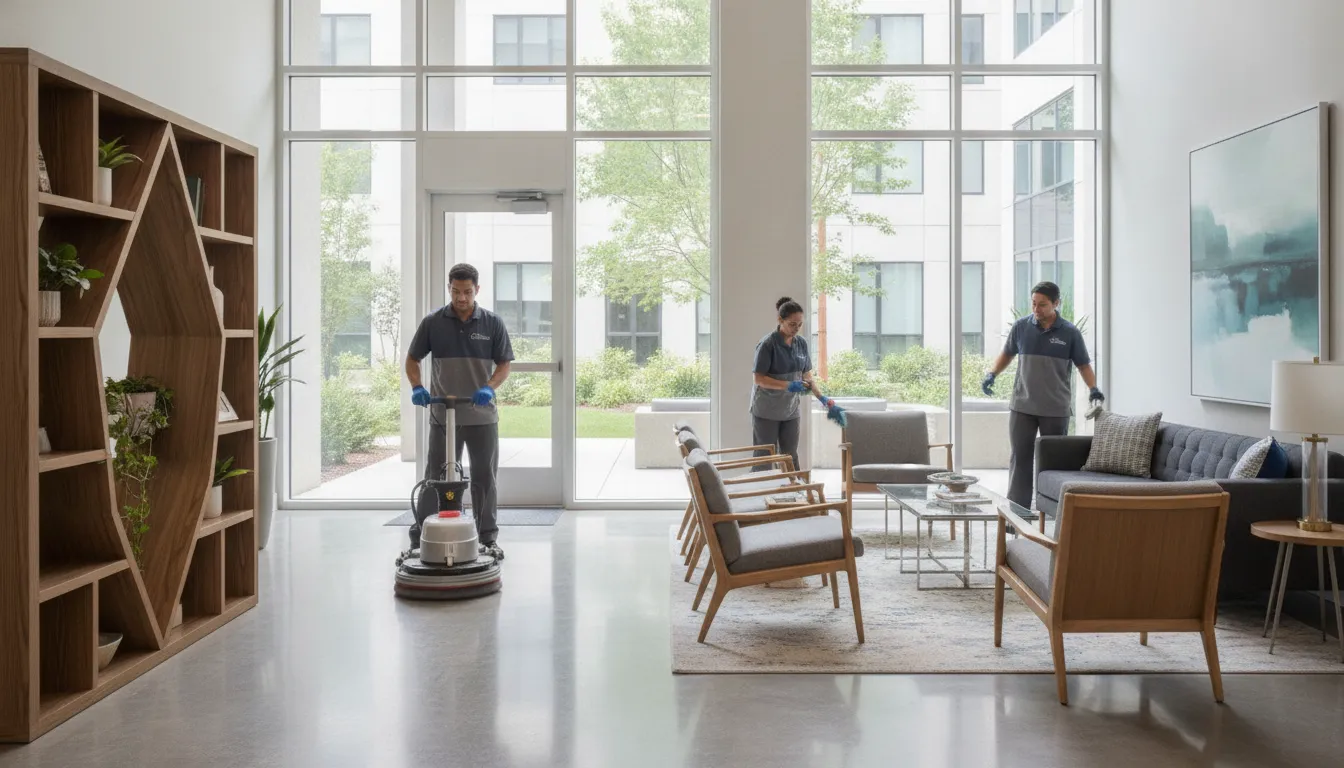
Moving into a multifamily property should feel exciting, not like an introduction to someone else’s dust, stains, and leftover mess. Clean shared spaces, fresh-smelling hallways, spotless elevators, and move-in-ready apartments set the tone from the moment residents arrive. That is why multifamily property cleaning requires more than occasional vacuuming. Professional cleaners handle the details that busy property teams may not have time to manage, from high-touch surfaces and amenity areas to vacant-unit turnovers and trash rooms. With vetted, insured cleaners, simple online booking, and a spotless guarantee, maintaining a welcoming property becomes easier for managers, owners, and residents alike.
Key Takeaways
- Cover every high-use area: Include lobbies, hallways, elevators, amenities, vacant units, restrooms, floors, trash rooms, garages, and entrances in the cleaning plan.
- Match service to property demands: Set cleaning frequencies and staffing based on traffic, occupancy, seasonal conditions, resident schedules, and move-out volume.
- Partner with a dependable cleaning company: Choose vetted, insured cleaners who offer clear checklists, responsive communication, quality inspections, online booking, and a spotless guarantee.
What Does Multifamily Property Cleaning Include?
Multifamily property cleaning covers much more than vacuuming a lobby or wiping down a front desk. A complete program addresses the shared spaces, vacant apartments, amenities, service areas, and frequently touched surfaces that residents, guests, and staff use every day.
The right scope depends on the building’s size, layout, occupancy, and traffic. A high-rise with elevators, a fitness center, underground parking, and several shared entrances needs a different plan from a smaller walk-up building. Seasonal conditions matter, too. Rain, snow, and mud can increase the cleaning required at entrances and in hallways, while move-out periods may create a sudden need for apartment turnover service.
A professional cleaning company can coordinate routine work with move-ins, move-outs, maintenance projects, inspections, and urgent requests. Before service begins, property managers should confirm which areas are included, how often each task is completed, which products and equipment are used, and how the team reports damage or maintenance concerns.
A detailed scope gives cleaners clear direction and helps managers maintain consistent standards across the property. It also makes it easier to adjust service when occupancy, resident needs, or building conditions change.
Clean Lobbies, Hallways, and Common Areas
Lobbies and hallways shape a resident’s first impression of a property. Routine service may include vacuuming or mopping floors, dusting ledges and furniture, cleaning glass doors, wiping reception areas, and removing marks from walls and baseboards.
Stairwells, corridors, mailrooms, and shared seating areas also need regular care. These spaces collect dirt quickly because residents, guests, delivery workers, and staff pass through them throughout the day. The cleaning frequency should reflect traffic levels, weather, and the number of units in the building.
A professional team may also clean interior doors, handrails, light fixtures, elevator thresholds, and other details that are easy to overlook. Multifamily housing cleaning services commonly include apartment building common areas, helping managers maintain a consistent standard throughout the property.
Clean Units Between Residents
Vacant unit cleaning prepares an apartment for its next resident. Service may include kitchens, bathrooms, bedrooms, living areas, closets, cabinets, appliances, doors, trim, windowsills, and floors. The goal is to leave the unit ready for a final inspection, showing, or move-in.
Turnover cleaning should follow a room-by-room checklist. This helps the team catch details such as dust inside cabinets, residue behind appliances, bathroom grout, and marks on doors or walls. Cleaners should also report damage, leaks, pest concerns, or other maintenance issues discovered during the work.
The service can be adjusted to the unit’s condition. A lightly used apartment may need a standard turnover clean, while a heavily soiled unit may require additional time and specialized treatment. Vacant turn cleaning can support move-in checklists and create a more consistent handoff between residents.
Care for Carpets and Hard Floors
Floors receive some of the heaviest wear in a multifamily property. Routine care may include vacuuming carpets, sweeping and mopping hard floors, spot treating spills, and removing dirt from entryways. Consistent maintenance keeps floors presentable and helps prevent buildup that can cause lasting damage.
Periodic floor care may include carpet extraction, floor scrubbing, polishing, grout cleaning, and refinishing, depending on the material. Vinyl, tile, natural stone, concrete, and carpet each require different methods and products. Using the wrong treatment can leave residue, dull a finish, or damage the surface.
A cleaning plan should separate daily or weekly maintenance from deeper floor care. Specialized floor cleaning can help preserve the appearance and useful life of carpet, vinyl, and other flooring materials, particularly in entrances, corridors, elevators, and amenity spaces.
Clean Amenities, Offices, Elevators, and Restrooms
Shared amenities need a consistent routine because residents expect these areas to be comfortable, clean, and ready to use. Service may cover fitness rooms, clubhouses, lounges, laundry rooms, business centers, leasing offices, and resident offices.
Cleaning teams typically dust and wipe surfaces, vacuum or mop floors, empty waste containers, clean mirrors, and sanitize frequently touched equipment. Elevators also need attention, including floors, doors, buttons, handrails, and interior panels. Restrooms require focused service for toilets, sinks, counters, fixtures, floors, dispensers, and touchpoints.
The schedule should match usage. A busy fitness center or laundry room may need daily service, while a lightly used office may require less frequent cleaning. Apartment building cleaning programs can include lobbies, hallways, stairwells, laundry rooms, fitness rooms, and other shared areas.
Clean Trash Rooms, Garages, Entrances, and Exteriors
Service areas often need a more targeted approach than standard common-area cleaning. Trash rooms may require sweeping and mopping, spill removal, odor control, container-area cleaning, and disinfecting for handles and other touchpoints. Teams should also report leaks, pest activity, damaged containers, and other maintenance concerns.
Garages, basements, mechanical rooms, bike storage areas, and storage spaces can collect dust, debris, oil, and moisture. Cleaning may include sweeping, spot treatment, pressure washing, or periodic deep cleaning, depending on the surface and its condition.
Exterior entrances also influence how residents and visitors view the property. Teams may clean entry mats, doors, glass, sidewalks, covered walkways, and accessible areas. Multifamily cleaning services may cover garages, basements, bike storage, mechanical rooms, and other spaces that need specialized attention.
Disinfect High-Touch Surfaces
High-touch surfaces deserve focused attention in shared buildings. These may include elevator buttons, door handles, handrails, light switches, intercoms, mailroom surfaces, laundry equipment, restroom fixtures, and fitness equipment.
Cleaning removes dirt and residue, while disinfection uses an appropriate product to reduce germs on a surface. The product should be compatible with the material and used according to its label instructions, including the required contact time. A quick wipe may not provide the intended result.
Teams should use clean microfiber cloths and replace them regularly to reduce cross-contamination between rooms. They should also follow a consistent pattern, such as working from cleaner areas to dirtier ones. Regular attention to shared touchpoints is especially important in high-traffic buildings, where deep cleaning between stays supports healthier shared environments and consistent property standards.
Handle Deep Cleans and Urgent Requests
Routine cleaning keeps a property on track, but some situations require additional service. A deep clean may be needed after construction, water intrusion, a long vacancy, an unusually heavy move-out, or a period when regular tasks fell behind. It can also refresh areas before a property inspection, open house, or resident event.
Urgent requests may involve spills, broken glass, unexpected messes, strong odors, or a common area that suddenly becomes unusable. A responsive cleaning provider should explain how managers submit these requests, what response times to expect, and how emergency work affects the regular schedule.
Before booking a deep clean, identify the affected rooms, surfaces, access requirements, and desired completion time. Share photos when possible so the provider can assign the right team and equipment. One-time multifamily cleaning services may support deep cleaning, property revitalization, and catch-up work after a property falls behind.
Why Does Multifamily Property Cleaning Matter?
A clean multifamily property does more than look presentable. It shapes how residents feel about where they live, how prospective tenants view the community, and how smoothly on-site teams handle daily operations. Clean lobbies, hallways, elevators, amenities, and vacant units create a more comfortable environment while helping managers protect the building’s condition.
Regular cleaning also gives property teams a reliable way to manage everyday wear, seasonal demands, resident concerns, and unexpected messes. Instead of waiting for dirt, odors, or damage to become noticeable, managers can use a scheduled cleaning program to maintain shared spaces and address issues early.
Cleanliness is especially important in multifamily properties because residents share many of the same surfaces and facilities. A single lobby, hallway, elevator, laundry room, or fitness center may see heavy use throughout the day. Consistent service keeps these areas welcoming, supports health and safety, and helps the property make a strong impression at every stage of the resident experience.
Improve Tenant Satisfaction and Retention
Residents notice the condition of the spaces they use every day. Dusty hallways, stained carpets, overflowing trash areas, or dirty elevators can make a well-managed property feel neglected. Regular cleaning shows residents that their comfort and safety matter, which can influence how they feel about the entire community.
Clean shared areas also create a more pleasant experience between maintenance visits and community events. Property managers can support this experience by combining dependable cleaning with clear communication, fair policies, and accessible feedback channels. These practices align with tenant satisfaction strategies, including setting expectations, responding to concerns, and creating a positive living environment.
When residents feel comfortable in their building, they may be more likely to renew their leases and recommend the property to others. Cleaning cannot solve every retention challenge, but it provides a visible, consistent part of thoughtful property management.
Protect Property Value and Curb Appeal
The condition of a property affects how residents, guests, and prospective tenants perceive it. Clean entrances, polished floors, clear walkways, tidy exterior areas, and well-maintained common spaces create a strong first impression. Inside the building, routine cleaning removes dirt and debris before they can wear down surfaces.
Carpets, flooring, walls, fixtures, and exterior areas all receive regular use in multifamily communities. Without proper care, small issues can become permanent stains, unpleasant odors, damaged finishes, or costly replacement projects. A scheduled cleaning plan helps preserve these materials and supports the property’s overall appearance.
A clean, safe environment can also help maintain occupancy, as noted in this guide to commercial property management. Managers should view cleaning as part of ongoing asset care, not just a cosmetic service. Consistent upkeep keeps the property ready for tours, inspections, resident events, and daily use.
Cut Turnover, Vacancy, and Maintenance Costs
Move-outs create a long list of tasks, from removing leftover items to preparing kitchens, bathrooms, floors, and fixtures for the next resident. A professional turnover clean helps teams prepare units efficiently and reduces the chance that dirt or buildup will delay the next listing.
Routine cleaning can also limit the effects of heavy traffic and neglected surfaces. Removing grit from floors, treating spills promptly, and maintaining high-touch areas may help prevent premature wear. Cleaning does not replace repairs or preventive maintenance, but it can help property teams spot problems before they become more expensive.
Retention matters, too. Long-term residents provide steadier rental income and reduce the labor and marketing costs associated with frequent turnover. Strong resident relationships often lead to fewer maintenance concerns and more consistent rent collection, according to this tenant management guide. A dependable cleaning program supports that effort by helping residents feel comfortable in the community.
Support Health, Safety, and First Impressions
Shared spaces bring together residents, visitors, staff members, delivery workers, and contractors. Regular cleaning helps manage dirt, dust, spills, and germs in areas such as doorknobs, elevator buttons, handrails, mailrooms, fitness centers, and restrooms. It also helps reduce slip risks by addressing wet floors and other visible hazards quickly.
Cleanliness is connected to compliance as well as appearance. Local authorities may inspect multifamily properties to confirm that they meet applicable health and safety standards, particularly in shared or multi-unit buildings. Managers can review property management compliance guidance alongside local requirements when setting cleaning procedures.
First impressions matter during property tours, too. A clean entrance and fresh-smelling hallway can influence how prospective residents judge the building before they see a model unit. Clear standards for high-touch surfaces, waste areas, floors, and restrooms help create a safer, more welcoming environment.
Help Teams Focus on Residents and Operations
Property managers already balance leasing, maintenance coordination, resident communication, inspections, vendor scheduling, and urgent requests. Adding every cleaning task to that workload can make it harder to focus on responsibilities that require direct attention and judgment.
A professional cleaning team can handle recurring work according to an agreed schedule and scope. Services may include common-area cleaning, unit turnovers, floor care, trash room service, and periodic deep cleaning. Managers can then spend less time assigning routine tasks and more time supporting residents, reviewing results, and handling operational priorities.
Cleaning professionals can also provide an extra set of eyes around the property. While completing a scheduled visit, a cleaner may notice a leaking fixture, damaged flooring, broken light, pest concern, or unsafe spill. Prompt reporting gives the property team an opportunity to respond before the issue affects more residents.
This supports the broader role of effective tenant management, which depends on satisfied residents, lower turnover, and reliable daily operations.
Respond to Spills, Complaints, and Move-Out Surges
Multifamily properties rarely follow a perfectly predictable schedule. A spilled drink in the lobby, a leaking trash bag, a resident complaint, or a sudden group of move-outs can change the day’s priorities. Without a response plan, these issues may remain visible too long and affect resident satisfaction.
A flexible cleaning provider can establish procedures for urgent requests, including who to contact, how quickly the team responds, and which situations require immediate attention. Spills should be cleaned promptly, while odors, overflowing waste, and restroom concerns may require same-day service depending on the location and severity.
Move-out surges require the same flexibility. Managers may need several units cleaned within a short window before showings or new residents arrive. A provider with enough staff, equipment, and scheduling capacity can adjust service levels during these periods. Proactive attention to maintenance and resident concerns is a key part of exceptional property management, helping teams address problems before they grow.
How Can a Custom Cleaning Program Solve Common Challenges?
Multifamily properties rarely have identical cleaning needs from one day to the next. A quiet building may need light daily attention, while a busy community with shared amenities, frequent move-outs, and heavy resident traffic may require several service visits each week. A custom cleaning program accounts for those differences instead of applying one fixed schedule to every hallway, unit, or amenity.
Start by reviewing resident complaints, inspection notes, turnover timelines, occupancy levels, and areas with the most foot traffic. This information helps managers decide which tasks require daily service, which can happen weekly, and which belong on a monthly or seasonal schedule. A professional cleaning company can support an in-house team or manage the full program, depending on the property’s needs. Multifamily cleaning programs often include flexible service frequencies, unit turnovers, common-area cleaning, and floor care.
A strong plan should also account for resident privacy, staff schedules, urgent requests, and changing occupancy. Set clear expectations with the cleaning provider, including the work covered, response times, inspection process, and communication procedures. Regular reviews make it easier to adjust the scope as the property changes without allowing important tasks to fall through the cracks.
Set Frequencies by Traffic, Area, and Risk
Not every part of a multifamily property needs the same cleaning frequency. Lobbies, elevators, mailrooms, fitness centers, and shared restrooms may need daily service because residents and guests use them throughout the day. Hallways and stairwells may need service several times a week, while storage areas or low-traffic offices may need less frequent attention.
Risk should also guide the schedule. Areas with frequent spills, food preparation, moisture, or high-touch surfaces may need more detailed cleaning and disinfection. Review traffic patterns, seasonal changes, resident needs, and past service issues with the cleaning provider. GSE Commercial Cleaning notes that service can range from daily to weekly and may supplement an existing in-house team. Build the schedule around actual conditions, then review it when occupancy or usage changes.
Coordinate Common-Area Cleaning and Turnovers
Common-area cleaning and unit turnovers often compete for the same staff and time. Without a clear plan, a team may finish a hallway while a vacant apartment waits for cleaning before its next resident arrives. A custom program can assign separate time blocks, teams, or priority levels to each type of work.
Turnover checklists should cover cabinets, appliances, bathrooms, floors, closets, windows, and other areas that need attention between residents. Supervisors can inspect completed units before the next move-in, helping property teams identify missed tasks early. 78-Clean’s multifamily service overview describes turnover cleaning that includes unit surfaces and supervisor sign-off before a new resident moves in. Share expected move-in dates with the cleaning company as early as possible so units can be scheduled in the right order.
Scale Services for Occupancy and Move-Outs
Cleaning demand changes with occupancy, leasing activity, and seasonal move-out periods. A property may need only routine common-area service during a stable month, then require extra cleaners for multiple vacant units, junk removal, and last-minute touch-ups. A flexible service agreement makes these changes easier to manage.
Ask whether the cleaning company can add temporary capacity without reducing service quality. Confirm how much notice the property team should provide and whether priority scheduling is available for active clients. Some providers arrange priority turnover cleaning and junk removal during busy move-out periods, as described by 78-Clean. Include pricing for added services in the agreement so managers can approve extra work quickly when demand increases.
Schedule Work Around Residents and Staff
Cleaning should improve the resident experience rather than disrupt it. Schedule noisy work, floor care, and high-traffic-area cleaning during periods that create the least interference with residents, leasing staff, maintenance teams, and vendors. A fitness center may be easier to clean during quieter hours, while a lobby may need attention in shorter intervals throughout the day.
Provide reasonable notice when cleaning requires access to occupied units or affects shared spaces. Advance communication gives residents time to prepare and helps protect their privacy. Guidance from Hoosier Homes recommends giving tenants adequate notice for property inspections and respecting their privacy rights. Apply the same consideration to scheduled cleaning visits, especially when staff must enter a resident’s home.
Add Deep Cleaning and Preventive Floor Care
Routine cleaning handles visible dirt, but high-use properties also need periodic deep cleaning. This may include carpet extraction, grout cleaning, baseboard detailing, restroom descaling, appliance cleaning, and detailed work in vacant units. Schedule these services according to traffic, surface type, weather, and the condition of each area.
Preventive floor care deserves special attention because flooring receives constant wear in entrances, corridors, elevators, and amenity spaces. Regular vacuuming, mopping, spot treatment, refinishing, and suitable protective care can keep floors attractive and help delay replacement. GSE Commercial Cleaning explains that deep cleaning can extend the useful life of flooring and reduce the need for early replacement. Ask the provider to recommend care methods for each flooring material rather than using one process throughout the property.
Set Resident Cleanliness Expectations and Responsibilities
A cleaning program works best when residents understand what the property team handles and what remains their responsibility. Include expectations for trash disposal, pet waste, balcony care, recycling, move-out preparation, and reporting spills or damage. Share these guidelines during move-in and keep them available in the resident portal or lease materials.
Use clear, practical language instead of relying on assumptions. Explain which areas staff clean, when service occurs, and how residents should report a concern. Hoosier Homes recommends clear communication about rules, restrictions, and compliance requirements from the start. Consistent reminders can reduce misunderstandings and help residents take care of issues before they become larger maintenance or cleaning problems.
Use Eco-Friendly Products, Microfiber, and HEPA Filters
Product selection matters in shared residential environments, especially when residents include children, older adults, or people with sensitivities. Ask cleaning providers which products they use, how they dilute them, and whether lower-odor alternatives are available where appropriate. Eco-friendly products may also reduce harsh residue in indoor spaces and wastewater systems.
Microfiber cloths can collect dust and debris effectively when used and laundered correctly. HEPA-filtered vacuums can help capture fine particles instead of recirculating them through a room. Eco-friendly cleaning products are designed to break down naturally and reduce pollution in water and soil. Ask for product safety information and confirm that staff receive training on proper use, storage, and disposal.
Plan for Urgent Requests, Missed Tasks, and Service Recovery
Even a detailed schedule cannot prevent every spill, complaint, missed task, or unexpected mess. Property managers should know how to request urgent service, who receives after-hours messages, and what response time to expect. A written escalation process helps staff act quickly instead of searching for contact information during an incident.
Service recovery should include more than sending someone back to clean. The provider should document the issue, correct it, identify why it happened, and confirm that the property team is satisfied. Encourage residents to report concerns through a clear channel, since open communication can reveal recurring problems without intrusive monitoring. Hoosier Homes highlights tenant feedback as a practical way to surface issues and address them early. Track repeated complaints to determine whether the schedule, checklist, staffing, or training needs to change.
What Should Property Managers Look for in Cleaning Services?
The right cleaning company should do more than vacuum and wipe surfaces. Multifamily properties need consistent care across shared spaces, vacant units, outdoor areas, and high-traffic zones. A dependable cleaning partner should understand how residents use the property and how quickly small issues can affect satisfaction, safety, and the condition of the building.
Before signing an agreement, ask about the company’s experience, hiring practices, insurance, equipment, products, scheduling, and quality controls. A clear conversation at the start helps prevent missed tasks, surprise charges, and confusion about who handles urgent requests.
Choose Multifamily Experience and Clear Scopes
Look for a company that regularly cleans apartment buildings, condominiums, and HOA communities. Multifamily cleaning often includes common-area maintenance, vacant unit turnover cleaning, and scheduled deep-cleaning projects, so residential housekeeping experience alone may not be enough. Multifamily cleaning services can help managers address the distinct needs of shared residential properties.
Ask for a written scope of work that lists each task, location, frequency, and service limit. It should explain who cleans lobbies, hallways, elevators, restrooms, trash rooms, amenities, and vacant units. Clear details make it easier to compare proposals and confirm whether the service matches your property’s traffic, layout, and occupancy.
Hire Vetted, Insured, Dependable Cleaners
Cleaning teams work throughout the property, often near residents, staff, keys, and personal belongings. Ask how the company screens, trains, and supervises its cleaners. A reputable provider should explain its hiring process and provide proof of general liability and workers’ compensation insurance.
Reliability matters just as much as credentials. Find out whether the company assigns a regular team, keeps backup cleaners available, and tracks arrival and completion times. You should also know who to contact when a cleaner misses a task or a resident reports an issue. Dependable service protects the resident experience and reduces the number of problems your property team must resolve.
Confirm Common-Area, Turnover, Floor-Care, and Exterior Services
Some companies focus only on interior common areas, while others provide a broader range of property services. Confirm that the proposal covers the tasks your building needs, including lobby and hallway cleaning, unit turnover, amenity areas, restrooms, elevators, floor care, trash rooms, garages, entrances, and exterior spaces.
Ask whether the company can handle extra work during move-outs, renovations, inspections, or resident events. Providers that combine commercial cleaning, turnover cleaning, and facility services may make scheduling simpler because you can coordinate several needs through one partner. Make sure occasional or project-based services have separate pricing and clear timelines.
Use Equipment for Carpets, Floors, and High-Traffic Areas
A professional team should bring equipment suited to the surfaces and traffic levels in your property. Standard vacuums and mops may not be enough for carpeted corridors, hard floors, entry mats, garages, or heavily used amenity spaces. Ask whether the company uses commercial vacuums, carpet extractors, floor machines, microfiber systems, and tools for hard-to-reach areas.
Proper equipment supports a cleaner appearance and helps reduce wear on flooring. Multifamily floor-care equipment is designed for apartments, condominiums, and shared spaces where dirt and moisture collect quickly. The company should also train its cleaners to use each machine safely and choose methods that suit the material, finish, and condition of every floor.
Choose Safe, Effective, Eco-Friendly Products
Cleaning products should remove dirt and germs without creating unnecessary problems for residents, pets, staff, or building materials. Ask which products the company uses, how they are diluted, and whether safety data sheets are available. It is also helpful to discuss fragrance sensitivities, ventilation, and procedures for storing chemicals.
Eco-friendly products can reduce environmental impact and support better indoor air quality when used correctly. Green cleaning practices may also align with sustainability goals and resident expectations. Environmentally preferable products still need to perform well, so ask how the company balances safety with effective cleaning in kitchens, restrooms, high-touch areas, and floors.
Expect Flexible Scheduling and Responsive Communication
Multifamily properties do not all follow the same schedule. A lobby may need service early in the morning, while an amenity room may be easier to clean after residents leave. Unit turnovers can also arrive with little notice, especially during busy leasing periods. Choose a company that can work around residents, staff, inspections, deliveries, and scheduled events.
Ask how quickly the provider responds to urgent requests and who handles communication outside regular business hours. Your service agreement should explain response times for spills, accidents, missed tasks, and last-minute turnover needs. Clear communication helps property teams address tenant concerns and urgent maintenance issues without leaving residents waiting for an answer.
Compare Pricing, Reviews, References, and Expectations
The lowest quote may not provide the best value if it leaves out important areas or limits the number of visits. Compare proposals based on the full scope, service frequency, staffing, supplies, equipment, insurance, and additional fees. Ask whether deep cleaning, carpet care, unit turnovers, and emergency visits are included or billed separately.
Read reviews for comments about consistency, communication, and follow-through, not just general appearance. Request references from other multifamily properties with a similar size or layout. Before making a decision, confirm how the company measures quality and handles missed work. Strong property management practices connect clean, well-maintained spaces with resident satisfaction and retention.
Book Online and Expect a Spotless Guarantee
An online booking process can make it easier to request a walkthrough, share property details, and schedule recurring service. Look for a company that provides a clear quote, confirms the appointment, and gives you one point of contact for questions or changes. These details save time when your team is managing residents, vendors, maintenance, and leasing activity.
Ask whether the company offers a satisfaction or spotless guarantee and what it includes. A useful guarantee should explain how to report an issue, how quickly the team will return, and whether corrections come at no additional cost. Bundled services and a single point of contact can simplify multifamily property care, especially when you need both routine cleaning and turnover support.
How Can Property Managers Maintain Cleaning Quality?
Consistent cleaning quality starts with clear expectations and a practical system for checking the work. A property may have a polished lobby in the morning, but residents will notice if hallways, elevators, trash rooms, or shared amenities are missed later in the day. Property managers need standards that account for traffic, surfaces, resident needs, and the condition of each area.
Start by documenting what “clean” means throughout the property. Pair those standards with a dependable schedule, trained cleaners, regular inspections, and an easy way for residents and staff to report concerns. This system helps managers identify patterns instead of treating every complaint as an isolated issue.
Communication also plays an important role. Clear lease terms help residents understand their responsibilities, while a detailed cleaning agreement tells the service provider exactly what the property requires. Reviewing practical tenant compliance strategies can help managers set expectations while maintaining a respectful resident experience.
Define Standards by Area, Surface, and Frequency
Create cleaning standards for every part of the property, including lobbies, corridors, elevators, fitness rooms, restrooms, offices, parking areas, and vacant units. Each standard should identify the task, the expected result, and how often the work should be completed.
For example, elevator buttons and door handles may need attention several times a day, while windows may only require monthly service. A lobby checklist could include vacuuming, mopping, dusting, glass cleaning, and spot-cleaning walls. A turnover checklist may include appliances, cabinets, baseboards, fixtures, floors, and odor control.
Match each method to the surface. Stone, finished wood, carpet, vinyl, and stainless steel require different products and equipment. Document approved products, disinfecting requirements, and tasks that need specialist care. Clear standards make training easier and give managers an objective way to review results.
Create Service Agreements and Room-by-Room Checklists
A service agreement should describe more than the number of visits per week. Include the areas covered, task frequencies, cleaning methods, supply responsibilities, response times, quality expectations, and procedures for missed work or urgent requests. This prevents assumptions from replacing clear communication.
Room-by-room checklists make the scope practical for cleaners and managers. A vacant apartment checklist might cover the kitchen, bathrooms, bedrooms, living areas, closets, windows, floors, and final inspection. Common-area checklists can separate daily, weekly, and periodic tasks so important work does not get lost among routine duties.
Review the agreement whenever the property changes. A new amenity, higher occupancy rate, construction project, or seasonal move-out period may require additional service. Effective tenant management practices emphasize organization and communication, both of which support a more dependable resident experience.
Assign Consistent Cleaning Teams When Possible
When the same cleaners return to a property, they become familiar with its layout, surfaces, problem areas, and resident routines. That familiarity can improve consistency and make it easier to spot changes, such as a recurring spill near a mailroom or damage in a hallway.
Consistency does not mean every cleaner must work every shift. Keep backup coverage available, but give substitutes the property’s checklists, access instructions, product information, and safety requirements. A short handoff can prevent missed areas when schedules change.
Ask the cleaning company how it trains and supervises its staff. Look for a provider that uses vetted, insured cleaners and supports dependable assignments. GSE Commercial Cleaning describes assigning trained staff and keeping regular cleaners with recurring clients, a useful model for properties that value familiarity and reliable service.
Schedule Inspections and Property Walkthroughs
Inspections help managers confirm that documented standards match the resident experience. Walk through the property at different times, since a common area can look different before and after peak traffic. Check floors, corners, door glass, elevator interiors, restroom supplies, odors, and high-touch surfaces.
Use a simple inspection form with space for photos, notes, the person responsible, and the correction deadline. Recognize work that meets expectations, then address missed tasks with specific feedback. “The hallway needs attention” is less useful than “The third-floor corridor has visible debris along the baseboards and needs vacuuming.”
Give residents proper notice before entering occupied units or conducting inspections that affect their privacy. Property managers can review inspection guidance to build a process that respects residents while protecting the property. For common areas, schedule walkthroughs around leasing activity, deliveries, and resident events when possible.
Track Completion, Response Times, and Recurring Issues
A cleaning log can reveal problems that occasional walkthroughs miss. Record when a task was completed, who handled it, whether supplies or equipment were needed, and whether follow-up was required. Digital tools can make this information easier to share with on-site teams and cleaning providers.
Track response times for complaints, spills, broken equipment, and urgent turnover requests. Look for patterns, too. If the same elevator needs extra cleaning each afternoon, adjust the schedule. If move-out units often require additional odor treatment, add that step to the turnover plan.
Useful measures include completed tasks, inspection scores, open issues, average response time, repeat complaints, and missed visits. Use these figures to decide where staffing, timing, training, or equipment should change. Matterport’s research on multifamily maintenance challenges highlights operational efficiency as a major concern for property teams, making practical tracking especially useful.
Create Clear Tenant Feedback Channels
Residents should know how to report a cleaning concern without searching for the right person. Offer one primary channel, such as a resident portal, property management app, email address, or front-desk process. Explain what information to include, such as the building, floor, area, issue, and a photo when helpful.
Set expectations for response times and keep residents informed if a request requires outside support. A quick acknowledgment can reassure someone that the issue has not been ignored, even when the correction cannot happen immediately.
Feedback can reveal problems that scheduled inspections miss. Several residents mentioning the same odor, slippery floor, or overflowing bin may point to a timing or maintenance issue. Encourage respectful reports and avoid treating every complaint as the resident’s fault. Open communication can help managers identify tenant compliance concerns without intrusive monitoring.
Review Results and Adjust Services as Needs Change
Set a regular review schedule with the cleaning provider, such as monthly for active properties and quarterly for stable ones. Discuss inspection results, resident feedback, completion records, supply use, seasonal changes, and upcoming occupancy or renovation plans.
Use each review to make specific adjustments. You may need more frequent service in a busy lobby, additional cleaning after resident events, specialized floor care, or a revised turnover checklist. A property with new amenities may need a different scope from one with fewer shared spaces.
Invite the cleaning team to share observations, too. Cleaners often notice recurring stains, damaged surfaces, access problems, or supply shortages before those issues reach management. When a change is agreed on, update the service agreement and checklist so everyone works from the same instructions. Ongoing reviews support a cleaner environment and a more positive living experience, as reflected in these tenant harmony recommendations.
Frequently Asked Questions
What areas of a multifamily property should be cleaned regularly? A cleaning plan may cover lobbies, hallways, elevators, stairwells, mailrooms, restrooms, amenity spaces, laundry rooms, offices, trash rooms, garages, entrances, and vacant apartments. The right scope depends on traffic, occupancy, building layout, and the surfaces in each area.
How often should an apartment building receive professional cleaning? High-traffic spaces, such as entrances, elevators, fitness centers, and shared restrooms, may need daily service. Hallways and stairwells may need cleaning several times a week, while low-use areas can follow a less frequent schedule. Unit turnovers and seasonal conditions may require temporary increases in service.
What is included in apartment turnover cleaning? Turnover cleaning typically prepares a vacant unit for inspection, showings, or a new resident. It may include kitchens, bathrooms, appliances, cabinets, closets, floors, trim, doors, windowsills, and living areas. A room-by-room checklist helps the team identify missed details and report maintenance concerns.
How can property managers check whether cleaning services meet expectations? Managers can use written scopes, area-specific checklists, scheduled inspections, completion logs, and resident feedback. Tracking missed tasks, response times, repeat complaints, and inspection results makes it easier to correct recurring problems and adjust the service schedule.
What should managers ask before hiring a multifamily cleaning company? Ask about experience with apartment communities, cleaner screening, insurance, staffing, equipment, products, service frequencies, urgent requests, turnover capacity, and quality checks. Confirm the full scope and pricing in writing, and ask whether online booking and a spotless guarantee are available.