Hotel Cleaning: A Practical Guide to Room Routines
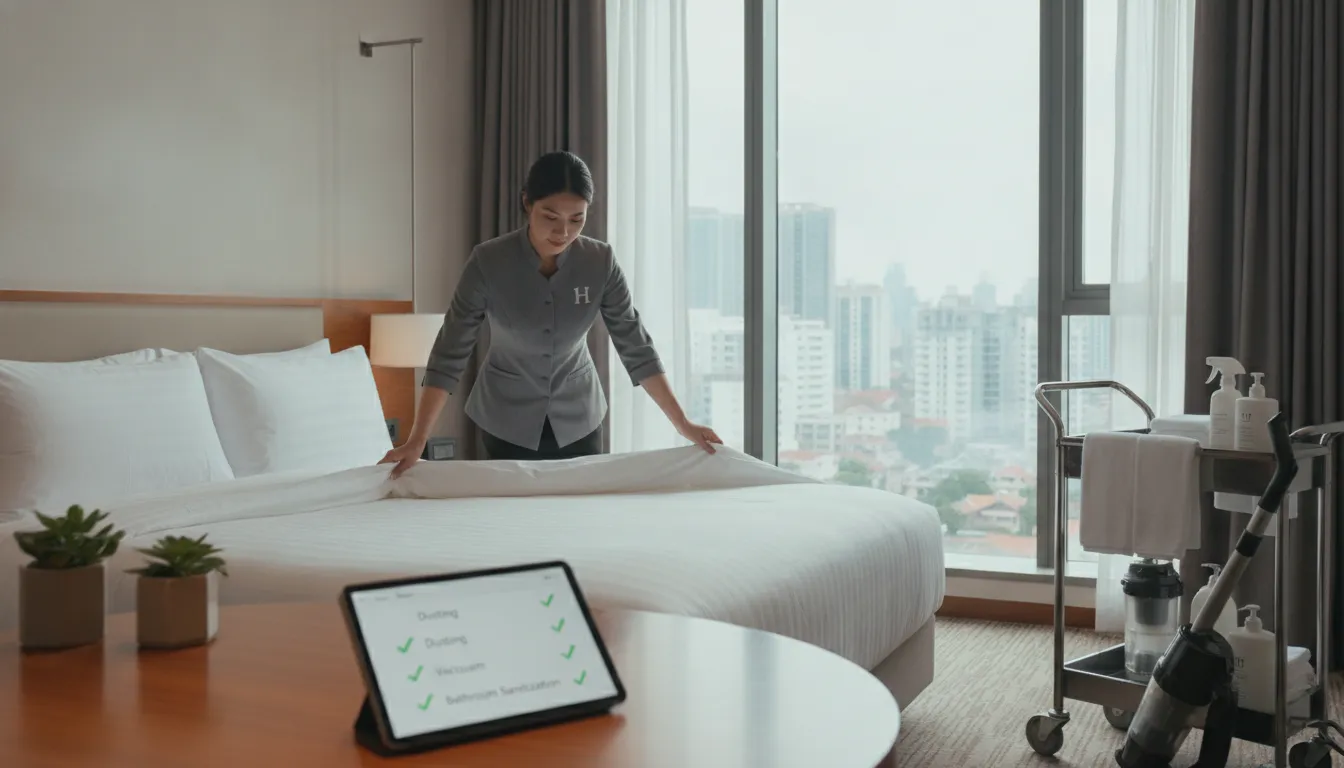
Guests may remember the view, the service, or the breakfast, but a room’s cleanliness can shape their overall impression of a hotel. A missed detail in the bathroom or a dusty surface can quickly undermine an otherwise pleasant stay. That’s why hotel cleaning relies on more than a quick tidy. Housekeeping teams follow room-by-room routines, use appropriate tools, and check their work before rooms are ready. Cleaning needs also vary across guest rooms, lobbies, and staff areas. This guide explains the key tasks, common supplies, cleaning schedules, and ways hotels can keep their standards consistent.
Key Takeaways
- Hotel cleaning includes rooms and shared spaces: Housekeeping teams clean guest rooms, bathrooms, lobbies, and staff areas, with tasks shaped by hotel policies and guest requests.
- Clear procedures support consistent results: Checklists, staff training, suitable products, and room inspections help teams clean carefully and report maintenance needs.
- Confirm service details before you book or request cleaning: Ask about room-cleaning schedules, included tasks, guest preferences, and options for deep cleaning or extra support.
What Does Hotel Cleaning Include?
Hotel cleaning covers guest rooms, shared spaces, and staff areas. Housekeeping teams follow routines to keep each part of the property clean, comfortable, and ready to use. The exact tasks depend on the hotel’s policies, occupancy, and guests’ service preferences.
Clean guest rooms during stays and between guests
During a guest’s stay, housekeeping may make the bed, replace towels, empty wastebaskets, wipe surfaces, clean the bathroom, and restock approved amenities. The schedule and tasks vary by property. Guests can check with the front desk to learn what service is included or request a particular cleaning time.
Between stays, cleaners prepare rooms for arriving guests. They remove used linens, clean the bathroom, wipe and disinfect surfaces, and vacuum or mop floors. They may also check that supplies are replenished and report damage or maintenance concerns. These details shape guests’ first impressions, which is why consistent hotel cleaning standards matter.
Clean public and back-of-house areas
Housekeeping also cares for shared spaces, including lobbies, corridors, elevators, public restrooms, and meeting areas. These spaces can collect dirt and fingerprints throughout the day, so teams often clean them on a schedule and respond to spills as needed. A clean lobby or hallway helps guests feel comfortable moving through the property.
Back-of-house areas include staff offices, break rooms, laundry spaces, and storage areas. Depending on the hotel’s procedures, cleaning may involve wiping surfaces, removing waste, and keeping floors clear. Teams use suitable products, equipment, and protective gear for the task. Hotel cleaning protocols explain how supplies and clear procedures support consistent work.
Support guest comfort, hygiene, and hotel reputation through housekeeping
Clean, orderly rooms and shared spaces help guests feel comfortable during their stay. Regular attention to linens, bathrooms, and frequently touched surfaces also supports the hotel’s hygiene practices. Guests notice the condition of common areas, too, so housekeeping standards need to extend beyond the guest room.
Reliable cleaning can shape how guests remember and review a hotel. Missed tasks may lead to complaints, while rooms that feel fresh and well maintained show guests that their comfort matters. Cleanliness is a key factor in guest satisfaction, according to GoAudits’ guide to hotel guest experience. Checklists and inspections help teams spot missed tasks and keep service consistent across rooms and shifts.
How Do Hotels Clean Guest Rooms?
A guest-room turnover follows a set routine so staff can clean thoroughly, prepare the room for the next guest, and report issues that need attention. The exact checklist varies by hotel, but the work usually starts with checking the room’s status and any guest requests. Housekeepers then remove used linens and waste, clean surfaces in a planned order, disinfect frequently touched areas, and finish by making the bed, cleaning the floor, and restocking approved amenities.
The sequence helps keep the process both efficient and hygienic. Cleaning from higher surfaces to lower ones helps prevent dust from landing on areas that have already been cleaned. Moving from cleaner areas to dirtier ones, and using separate tools for bathrooms, helps limit the spread of germs. A final inspection gives staff a chance to check the room’s presentation, note maintenance issues, and confirm its status for the front desk.
Hotels often use written procedures and room-by-room checklists to keep standards consistent across staff and shifts. Here’s how the main steps typically work.
Check room status, guest preferences, and supplies before entering
Before entering, a housekeeper checks whether the room is occupied, vacant, or due for service. Staff follow the hotel’s entry procedures, respect privacy signs, and note any special requests or preferences. These checks help prevent interruptions and ensure the team knows what the room needs before work begins.
Housekeepers also prepare their carts with the right linens, cleaning products, waste bags, and amenities. Having supplies ready reduces trips back and forth and supports a consistent routine. If a guest has requested extra towels or a particular service, staff can account for it as they prepare. JAN-PRO’s hotel cleaning guidance recommends checking room conditions and noting guest preferences before cleaning starts.
Remove used linens and handle waste safely
Housekeepers remove used towels, bed linens, and waste according to the hotel’s procedures. They keep soiled items away from clean linens and supplies, placing them in designated bags or containers. This separation helps reduce the chance of transferring dirt or germs to surfaces and items prepared for the next guest.
Carts should keep clean linens, amenities, cleaning products, and waste organized in separate areas. Staff follow workplace guidance for gloves, hand hygiene, and other protective equipment when handling waste or soiled laundry. An organized setup also makes it easier to find supplies without disrupting the room routine. The Mews overview of hotel cleaning protocols explains how well-organized carts support safe handling of supplies and used items.
Clean from high to low, moving from cleaner to dirtier areas
Housekeepers generally work from higher surfaces toward lower ones. They may dust shelves and other elevated areas first, then wipe tables and counters before cleaning the floor. This order helps keep dust and debris from falling onto surfaces that have already been cleaned.
Staff also follow a planned route from cleaner areas toward dirtier ones, often leaving the bathroom until later in the routine. The exact order depends on the hotel’s procedures and the room layout, but a consistent sequence can help limit cross-contamination and prevent missed tasks. Written instructions make it easier for staff to follow the same process across rooms. ISSA’s staff training guidance explains why cleaning procedures should specify a high-to-low sequence.
Disinfect high-touch surfaces and use separate tools in bathrooms
Frequently touched surfaces may include door handles, light switches, remote controls, phones, and faucet handles. Staff clean these areas and apply an appropriate disinfectant according to its label. Some products need to remain wet on the surface for a specified contact time, so housekeepers should follow the instructions rather than wiping them away too soon.
Bathrooms call for separate cloths or tools from those used in the sleeping area. Color-coded equipment can help staff keep tools assigned to the right spaces and avoid transferring germs between surfaces. Hotels also set procedures for cleaning sinks, toilets, showers, and other fixtures. The Mews guide to hotel cleaning standards highlights the importance of disinfecting shared touchpoints and keeping bathroom tools separate.
Make beds, clean floors, and restock approved amenities
Once surfaces are clean, staff make the bed with fresh linens, arrange the pillows, and check that the bedding looks presentable. They clean the floor using a method suited to its material, such as vacuuming carpet or mopping hard flooring. A hotel’s checklist may also call for attention to edges, corners, or areas beneath furniture.
Housekeepers replace approved items, such as towels, toiletries, and coffee supplies, following the room’s standard setup and any recorded guest requests. Restocking according to hotel policy helps ensure that rooms receive the right items and quantities. A final look at the bed, floor, and amenities can catch small details before the room is marked ready. GoAudits’ hotel guest experience guidance describes how bed-making, floor care, and amenity restocking help prepare a room for guests.
Inspect rooms, report maintenance issues, and update room status
Before leaving, the housekeeper checks the room against the hotel’s checklist. The review may cover surfaces, linens, supplies, visible damage, and the room’s overall setup. If staff spot a problem, such as a faulty light, leaking fixture, or damaged furniture, they report it through the hotel’s maintenance process.
Housekeepers also update the room’s status in the hotel system or notify the appropriate team. This lets the front desk know whether the room is ready for an arriving guest or still needs attention. Clear reporting helps teams respond to maintenance concerns and follow up on any missed tasks. RBM Building Services’ overview of hotel cleaning standards covers room inspections, maintenance reports, and keeping room status current.
What Products and Tools Do Hotels Use?
Hotel housekeeping teams use a mix of cleaning products, equipment, and protective gear to prepare rooms and shared spaces. The exact supplies depend on the surface, the task, and the hotel’s procedures. Using the right tool for each job helps staff clean thoroughly, protect materials, and work safely.
Use detergents, all-purpose cleaners, disinfectants, and wipes
Detergents help remove everyday dirt and residue from washable surfaces. All-purpose cleaners are useful for routine tasks, such as wiping counters and cleaning many hard surfaces. Hotels may also keep specialized products for glass, floors, or bathrooms.
Disinfectants serve a different purpose: they reduce germs on selected surfaces when used according to their labels. Staff may apply them to high-touch areas such as door handles, light switches, and bathroom fixtures. Wipes can be handy for specific tasks, but employees should use hotel-approved products and avoid carrying the same wipe from one surface to another. As Mews explains in its hotel cleaning guidance, cleaners and disinfectants have distinct uses, so staff need to select products based on the job.
Use microfiber cloths, color-coded tools, mops, and vacuums
Microfiber cloths help collect dust and clean counters, mirrors, and other surfaces. Some hotels use color-coded cloths and tools to keep equipment for bathrooms separate from equipment used in bedrooms or other areas. This system can help reduce the transfer of soil between spaces.
Mops are used for hard floors, while vacuums pick up dust and debris from carpets, rugs, and upholstered furniture. Staff should choose equipment that suits the material they’re cleaning and keep tools in good condition. Used correctly, these basics help teams clean efficiently without damaging surfaces. Mews’ hotel cleaning guidance describes microfiber cloths, mops, and vacuums as common tools in hotel housekeeping.
Use laundry equipment, housekeeping carts, gloves, and other protective gear
Hotels use washers and dryers to process sheets, towels, and other washable linens. Housekeeping carts help staff carry fresh linens, guest supplies, cleaning products, and waste bags between rooms. Keeping supplies organized on the cart can make room preparation more consistent.
Gloves help protect employees during cleaning, while other protective equipment, such as face masks, may be required by hotel policy or product instructions. Staff should keep clean supplies separate from used linens and waste, and store chemicals securely. National Hospitality Supply’s housekeeping checklist includes carts, linens, and protective gear among the essential supplies for housekeeping teams.
Follow product labels, dilution instructions, and contact times
Cleaning products work as intended only when staff use them correctly. Housekeepers should read product labels and follow instructions for dilution, suitable surfaces, ventilation, and protective equipment. Hotels may provide measuring tools or dispensing systems to help employees prepare products at the correct concentration.
Disinfectants also have a contact time, which is how long a treated surface needs to remain wet for the product to work as directed. Staff should avoid mixing chemicals unless the product labels specifically say it is safe. Clear training helps prevent mistakes and supports consistent cleaning across rooms. Dzee USA’s guide to hotel housekeeping supplies highlights dilution ratios and contact times as key parts of staff training.
Use UV-C devices to supplement routine cleaning
Some hotels use UV-C devices as an extra step in selected cleaning routines. These devices supplement, rather than replace, routine tasks such as removing visible soil, washing linens, and cleaning or disinfecting surfaces with approved products.
Because UV-C equipment requires careful handling, employees should follow the manufacturer’s instructions and the hotel’s safety procedures. That may include restricting access to the treatment area while a device is operating and providing staff with specific training. Hotels should also confirm that a device is suitable for the space and intended use. Ecolab’s hotel housekeeping program describes UV-C devices as one technology that can support a broader cleaning program.
How Do Hotels Maintain Cleanliness and Hygiene?
Hotels maintain consistent hygiene with clear procedures, trained housekeeping teams, and regular checks. These systems help staff clean rooms and shared areas thoroughly, even when schedules are tight. They also give supervisors a way to spot missed tasks and address recurring problems.
Set standard procedures and room-by-room checklists
A room-by-room checklist gives housekeeping staff a clear sequence to follow. It can cover changing linens, cleaning bathroom fixtures, disinfecting frequently touched surfaces, vacuuming, and restocking approved amenities. The order matters: cleaning from higher surfaces to lower ones helps prevent dust and debris from settling on areas that have already been cleaned.
Standard operating procedures, or SOPs, should also explain how to use products, care for equipment, and report damage or low supplies. A written routine is especially helpful when staff work across different rooms or shifts. The ISSA guide to cleaning staff training recommends documenting task sequences, chemical dilution instructions, and equipment maintenance routines.
Train staff through demonstrations, supervised practice, and refreshers
Staff need more than a written checklist to learn a hotel’s cleaning standards. Managers can demonstrate each task, then give new team members time to practice with a supervisor nearby. This makes it easier to ask questions, build good habits, and understand what a room should look like when it is ready for guests.
Training should continue after onboarding. Short refreshers can review updated procedures, reinforce safe work habits, and address issues found during inspections. Supervisors can make feedback specific, such as showing how to clean a particular surface or complete a task in the required order. The ISSA training guide highlights hands-on demonstrations as a useful way to build staff confidence and practical skills.
Teach chemical safety, equipment use, and high-touch surface cleaning
Housekeeping staff should understand product labels and follow instructions for dilution, application, and contact time. They also need to know how to store chemicals, select appropriate protective gear, and avoid mixing products unless the label explicitly says it is safe. Clear guidance helps protect staff and guests while ensuring products are used as intended.
Training should also cover equipment, including vacuums, mops, and any tools specific to the property. Teams should know which surfaces require extra attention, such as door handles, light switches, and remote controls, and how to clean them correctly. Include these areas in room checklists so they remain part of the routine. The ISSA guide to staff training recommends ongoing education to reinforce safe product use and cleaning practices.
Separate clean and used linens, cloths, and tools
Clean linens should remain separate from used towels and bedding during collection, transport, and storage. Hotels can use designated bags or containers for soiled items and make sure they do not come into contact with clean supplies. The same approach applies to cloths and tools: used items should be cleaned or laundered before they are used again.
Color-coded cloths and equipment can help staff keep bathroom tools separate from those used in sleeping and living areas. Clear labels and storage locations make the system easier to follow across shifts. These routines support a more orderly workflow and help limit the transfer of soil between surfaces. Mews’ overview of hotel cleaning protocols explains how suitable products and processes help teams clean effectively and handle supplies safely.
Inspect rooms, document missed tasks, and fix recurring issues
A room inspection helps supervisors confirm that required tasks are complete before the room is marked ready. They can review details such as bathroom fixtures, floors, linens, amenities, and high-touch surfaces. If a task was missed, staff should receive clear feedback and time to correct it before guests arrive.
Hotels can document repeated issues, too. If the same task is often missed or a supply regularly runs low, managers can look for the cause. It may point to unclear instructions, limited time, equipment problems, or a training need. Reviewing guest comments alongside inspection notes can reveal patterns that staff records alone may not show. RBM Building Services recommends tracking guest feedback on cleanliness to identify trends and areas for improvement.
Use cleaning systems and guest feedback to spot service gaps
Housekeeping software or a shared tracking system can help managers assign rooms, record completed tasks, and flag maintenance needs. When staff update room status promptly, other teams can see which rooms are ready and which need follow-up. This is useful when housekeeping, front desk, and maintenance staff coordinate to prepare rooms and shared spaces.
Guest feedback adds another way to assess the service. Managers can review comments for recurring concerns about bathrooms, floors, or the timing of room cleaning. One report may describe an isolated issue; a pattern of similar comments can signal that a procedure or training routine needs attention. GoAudits’ overview of hotel guest experience identifies cleanliness as an important factor in guest satisfaction.
Follow local rules and property-specific hygiene standards
Hotel cleaning standards are shaped by local health codes, workplace safety rules, and the needs of each property. Managers should check which requirements apply to their location and facilities, then turn them into clear instructions for staff. Areas such as kitchens, pools, and fitness rooms may have specific procedures, so teams should know which standards apply to each space.
Properties may also set additional expectations based on their layout, amenities, and guest needs. Document those requirements in training materials and checklists, and review them when procedures or rules change. This gives staff a consistent reference rather than relying on informal guidance. Mews’ guide to hotel cleaning protocols outlines how industry guidance, workplace safety rules, and local health codes can inform hotel cleaning standards.
How Often Do Hotels Clean Rooms?
Clean rooms daily, on a schedule, or by guest request
Hotels don’t all follow the same housekeeping schedule. Some clean occupied rooms every day, while others provide service on selected days or when a guest asks. The policy may depend on the property, room type, length of stay, and staffing. An AHLA survey found that nearly 93% of hotels offer daily room cleaning upon request. Guest preferences vary, too: the survey found that 70% of guests did not want daily cleaning, and 38% preferred service only when requested. If you’d like a clean during your stay, check the room information or ask the front desk how to arrange it.
Respect guest requests, privacy preferences, and do-not-disturb signs
Housekeeping staff should follow guests’ service preferences and respect do-not-disturb signs. When a sign is displayed, cleaners generally avoid entering the room, though each hotel sets its own procedures for long periods or urgent situations. Guests can also ask for a specific service, such as fresh towels, trash removal, or a full room clean. Clear requests help housekeeping provide the right service while respecting privacy. If something needs attention, contact the front desk rather than assuming a cleaner will enter. Hotels can also use guest feedback to identify recurring concerns and improve their housekeeping routines.
Clean rooms between stays and schedule regular deep cleans
After checkout, hotel staff clean and prepare rooms before the next guest arrives. A turnover typically includes changing bed linens, cleaning the bathroom, wiping surfaces, emptying bins, vacuuming or mopping floors, and restocking approved amenities. The exact tasks depend on the room’s condition and the hotel’s checklist. Properties also schedule deeper cleaning for areas that may not be covered during a standard room clean, including upholstery, curtains, vents, and hard-to-reach surfaces. These projects are often planned for quieter periods to limit disruption. One hotel cleaning guide recommends scheduling a property-wide deep clean annually or twice a year, based on the property’s needs.
Explain how hotel policies affect service frequency
A hotel’s housekeeping policy can reflect its service model, occupancy, staffing, and guest preferences. Some properties include daily cleaning, while others provide it by request or on specific days. Policies may also differ for extended stays, suites, or guests with particular service needs. Hotels have adjusted their routines in response to changing operations and expectations, as described in industry reporting on hotel housekeeping. Before booking, review the property’s service information so you know what’s included. If the details are unclear, contact the hotel and ask how often rooms are cleaned, whether you need to request service, and what tasks are covered.
Check the housekeeping schedule or request service at the front desk
If you want your room cleaned during your stay, check the guest information in your room, use the hotel app if available, or call the front desk. Ask when housekeeping is scheduled and whether you need to request service by a certain time. Be specific about what you need, such as a full room clean, fresh towels, or a linen change. If you’ve displayed a do-not-disturb sign, remove it when you’re ready for staff to enter. For an ongoing concern or a particular preference, tell the front desk so the team can share the information with housekeeping. Clear communication helps staff coordinate service and gives you a better idea of when to expect it.
What Challenges Do Hotel Cleaners Face?
Hotel cleaners work to keep guest rooms and shared spaces ready while room conditions, guest preferences, and schedules shift throughout the day. A room that needs a quick refresh is different from one that requires extra attention, and a late checkout can affect the next guest’s arrival. Staff need to balance speed with careful work, follow hygiene procedures, and report problems they cannot resolve themselves.
These demands also depend on teamwork. Housekeepers need clear priorities from supervisors, reliable supplies, and a straightforward way to share updates with maintenance and front desk staff. When schedules change or a team is short-staffed, documented procedures help everyone understand what to do first and which tasks must be completed before a room is ready. Hotel cleaning protocols can help properties set expectations for both thorough cleaning and an efficient room turnover.
Turn rooms around quickly despite tight schedules and heavy workloads
Housekeepers may have a limited window to prepare rooms between checkout and the next arrival. Late checkouts, early check-ins, and rooms that need extra attention can put pressure on the schedule. Working quickly is important, but rushing through essential cleaning steps can leave surfaces or details unchecked.
Hotels can make room turnovers more manageable by prioritizing rooms according to arrival times, keeping carts stocked, and using clear checklists. Supervisors should also leave time for an inspection rather than treating speed as the only measure of progress. A practical routine helps cleaners avoid backtracking and gives them a consistent order of tasks, even on busy shifts.
Maintain standards through staffing shortages and schedule changes
When fewer cleaners are available, teams may need to adjust assignments or focus first on rooms guests need soon. Changes to service policies can add more coordination, too. Some guests may request daily cleaning, while others prefer service only when they ask for it.
Managers can help by sharing schedule changes promptly, setting clear priorities, and explaining which tasks cannot be skipped. Written procedures and cross-training also give staff a reliable reference when they take on unfamiliar rooms or duties. Hotels have adjusted housekeeping schedules and service frequency in different ways, as Revinate’s overview of housekeeping changes describes.
Adapt to room conditions and guest expectations
Every room presents different needs. A long stay, a family visit, or heavy use of the bathroom may mean a cleaner needs more time or supplies. Staff must assess the room, follow hotel procedures, and take care around guests’ belongings and recorded service preferences.
Guests generally expect clean bathrooms, fresh linens, and a room that feels ready when they arrive. Missed details can lead to complaints or negative reviews, so a room checklist and final inspection are useful safeguards. Teams can also refer to hotel cleaning standards when setting expectations that account for both guest experience and hygiene requirements.
Keep cleaning consistent across staff, shifts, and properties
A guest should receive a dependable level of cleanliness regardless of who prepares the room or which shift is working. That can be difficult when staff have different levels of experience or rely on verbal instructions that may vary from person to person.
Documented procedures and room-by-room checklists give cleaners a shared reference for tasks, standards, and reporting. They also help supervisors identify training needs and bring new employees up to speed. The Cleaning Station’s guide to building a cleaning training program explains how written procedures can preserve practical knowledge and make expectations clearer for new hires.
Manage physical demands with safe techniques, equipment, and breaks
Hotel cleaning involves repeated bending, reaching, lifting, and pushing carts. These tasks can be tiring over a full shift, especially when staff are working quickly or using equipment that does not suit the job. Safe techniques and properly maintained tools help reduce strain and support careful work.
Training should include demonstrations of how to handle equipment and complete common tasks safely. Hotels should provide suitable protective gear, check that tools are in good condition, and allow staff to take reasonable breaks. Refresher training can reinforce good habits as duties or products change. ISSA’s guide to training cleaning staff offers practical ideas for demonstrations and ongoing skill development.
Coordinate housekeeping with maintenance and other hotel teams
Housekeepers may be the first to spot a leaking tap, broken light, damaged furniture, or missing room supplies. Reporting these issues promptly helps maintenance staff respond and lets managers decide whether a room should be held back until repairs are complete.
Clear communication also helps teams plan deep cleans around occupancy, events, and repair work. A shared reporting process, known points of contact, and accurate room-status updates reduce confusion between housekeeping, maintenance, and the front desk. Hotels can use guidance on hotel cleaning standards to plan deeper cleaning alongside routine room care.
What Do Hotel Cleaners Do, and How Does Pay Vary?
Hotel cleaners, also called room attendants or housekeepers, prepare rooms and shared spaces for guests. Their work involves cleaning, restocking supplies, handling linens, and reporting issues that need attention. The role calls for steady, careful work, often within a set schedule. Duties, training, and pay vary by hotel and location.
Clean guest rooms, bathrooms, public areas, and shared spaces
Room attendants typically clean guest rooms during a stay or after checkout. Tasks may include changing linens, cleaning bathrooms, wiping furniture and high-touch surfaces, vacuuming or mopping floors, and replenishing approved amenities. Between guests, they may check that the room is ready for its next occupant and report damage or missing items.
Some housekeeping teams also care for lobbies, hallways, elevators, meeting rooms, and other shared areas. At larger hotels, a separate team may handle these spaces. The scope of the role depends on the property and its staffing, but clean rooms and bathrooms are central to guest comfort and the hotel’s reputation. Hotel cleaning standards can help explain the expectations cleaners work to meet.
Use attention to detail, time management, communication, and safe work habits
Hotel cleaners often have a set amount of time to complete each room. They need to organize their tasks and work efficiently while following the hotel’s cleaning routine. Attention to detail helps them spot missed areas, check that amenities are replenished, and leave rooms looking ready for guests.
Communication is also important. Cleaners may confirm room status, respond to guest requests, tell a supervisor when supplies are running low, or report maintenance concerns. Safe work habits matter throughout the shift: staff should follow product labels, use equipment correctly, and handle linens and waste according to hotel procedures. These skills improve with practice, and cleaning training resources highlight attention to detail and time management as key housekeeping strengths.
Learn typical onboarding, training, and experience requirements
Many hotels provide an orientation and hands-on training for new cleaners. A supervisor or experienced coworker may demonstrate how to clean a room, use a housekeeping cart, handle linens, and update room status. Training may also cover guest privacy, chemical safety, property policies, and how to report maintenance issues.
Previous cleaning or housekeeping experience can be helpful, but requirements differ between employers. Some hotels consider applicants who are new to the work if they can follow instructions, communicate reliably, and complete physical tasks safely. Before accepting a role, ask about the training period, expected number of rooms per shift, schedule, and whether uniforms or supplies are provided. Clear procedures and supervised practice help teams maintain consistent standards, as ISSA’s staff-training guidance explains.
Compare pay by location, employer, experience, shift, and duties
Hotel cleaner pay varies with local labor markets, the type of property, a worker’s experience, scheduled hours, and the duties involved. A role focused on guest rooms may have different expectations from one that also includes public areas, laundry, or other cleaning tasks. Evening, weekend, and holiday schedules can affect compensation, depending on the employer.
To compare opportunities, check current listings in your area and look beyond the hourly rate. Review benefits, expected workload, shift details, and whether the position is full time or part time. You can also consult the U.S. Bureau of Labor Statistics’ wage information for maids and housekeeping cleaners. Pay estimates change by area and over time, so compare several sources and confirm details with the employer.
Explore paths to housekeeping supervision and commercial cleaning
Experienced hotel cleaners may take on added responsibilities, help train new staff, or move into roles such as housekeeping supervisor or executive housekeeper. Advancement often calls for reliability, clear communication, and a strong grasp of cleaning procedures, along with the ability to support a team. Some employers also value training in workplace safety, hospitality, or facility operations.
Hotel housekeeping skills can transfer to other settings, including offices, residential properties, and commercial buildings. If you’re interested in a different role, ask about cross-training and leadership opportunities, and look for relevant workshops or courses. Ongoing learning can help cleaners prepare for more responsibility and develop skills for a wider range of workplaces, as ISSA’s training recommendations note.
When Can Hotels Hire Professional Cleaning Support?
Hotels can bring in professional cleaning support when their in-house team needs extra capacity, guest rooms or shared spaces are due for a deep clean, or the property needs help maintaining consistent standards. Before arranging service, identify the areas that need attention and agree on how outside cleaners will coordinate with hotel staff.
Add cleaning capacity during busy periods or staffing gaps
High occupancy, group bookings, seasonal demand, and unexpected staff absences can leave housekeeping teams short on time. A professional cleaning provider can help prepare rooms, clean designated areas, or cover specific shifts while hotel staff handle daily routines and guest requests.
Support can also help when a hotel changes how often it cleans occupied rooms. Some properties provide full room cleaning on request, while others adjust service based on demand and guest preferences. Revinate’s overview of hotel housekeeping describes how hotels are adapting their service models to balance guest expectations with staffing and operating needs. Before booking, list the tasks that need coverage, the number of rooms involved, and when the work must be completed.
Schedule deep cleans for guest rooms and shared spaces
Routine housekeeping handles day-to-day needs, but some tasks call for more time and focused attention. A deep clean may include detailed bathroom cleaning, carpet and upholstery care, and areas that receive less attention during a standard room turnover. Hotels can also schedule this work for lobbies, meeting rooms, and other shared spaces.
Quieter periods are often a practical time to plan deep cleaning, since fewer rooms may need to remain available to guests. RBM Building Services recommends scheduling annual or semi-annual deep cleans during low-occupancy periods. Choose which areas to prioritize, then coordinate access with housekeeping and facilities teams. A schedule helps staff prepare rooms, move equipment, and limit disruption to guests.
Choose a vetted, insured commercial cleaning provider
Look for a provider with relevant commercial cleaning experience, proof of insurance, and clear information about how its cleaners are screened and trained. Ask for references, learn who will supervise the work, and discuss procedures for keys, guest privacy, and restricted areas. It’s also helpful to confirm what equipment and products the team brings.
Hotel cleaning requires staff to follow property-specific procedures and use approved products correctly. Ecolab’s hospitality cleaning guidance highlights the role of cleaning programs and flexible training in helping hotel teams achieve consistent results. Ask prospective providers how they’ll learn your hotel’s standards and communicate with employees on-site. The right fit should be prepared to follow your procedures, not simply apply the same routine at every property.
Agree on scope, timing, hygiene requirements, inspections, and expectations
Before work starts, document what the provider will clean, when the team can enter, and which products or hygiene procedures it must follow. Include how cleaners should handle used linens, waste, guest belongings, and maintenance issues they notice. Confirm access arrangements, points of contact, and how changes to the schedule will be communicated.
Set a shared process for checking completed work. Decide who will inspect rooms or common areas, how staff should report missed tasks, and when the provider should address concerns. Clear written procedures help hotel employees and outside cleaners follow the same steps. ISSA’s guide to cleaning staff training notes that standard operating procedures can outline task sequences and equipment routines. A scope of work and checklist make expectations easier to communicate and review.
Frequently Asked Questions
What’s the difference between routine hotel housekeeping and a deep clean? Routine housekeeping handles the regular tasks that keep rooms and shared areas ready for use. A deep clean focuses on areas or items that need more detailed attention, such as upholstery, carpets, curtains, and hard-to-reach surfaces.
Can guests request specific housekeeping services? Yes. Guests can contact the front desk to ask about fresh towels, a room clean, or a preferred service time. Each hotel sets its own options and request deadlines.
How do hotels help prevent germs from spreading between rooms? Teams follow set procedures for hand hygiene, cleaning products, and separating used linens from clean supplies. Many hotels also assign separate cloths or tools to bathrooms and sleeping areas.
When should a hotel consider hiring an outside cleaning company? Outside support can help during staffing gaps, busy periods, or planned deep-cleaning projects. Before booking, confirm the provider’s insurance, staff screening, cleaning scope, schedule, and ability to follow the hotel’s procedures.
What should hotel managers check when reviewing cleaning quality? Managers can use room checklists and inspections to review key tasks, then compare findings with guest feedback and maintenance reports. Repeated issues may point to a need for clearer procedures, more training, or changes to the work schedule.