Government Building Cleaning: A Facility Manager’s Guide
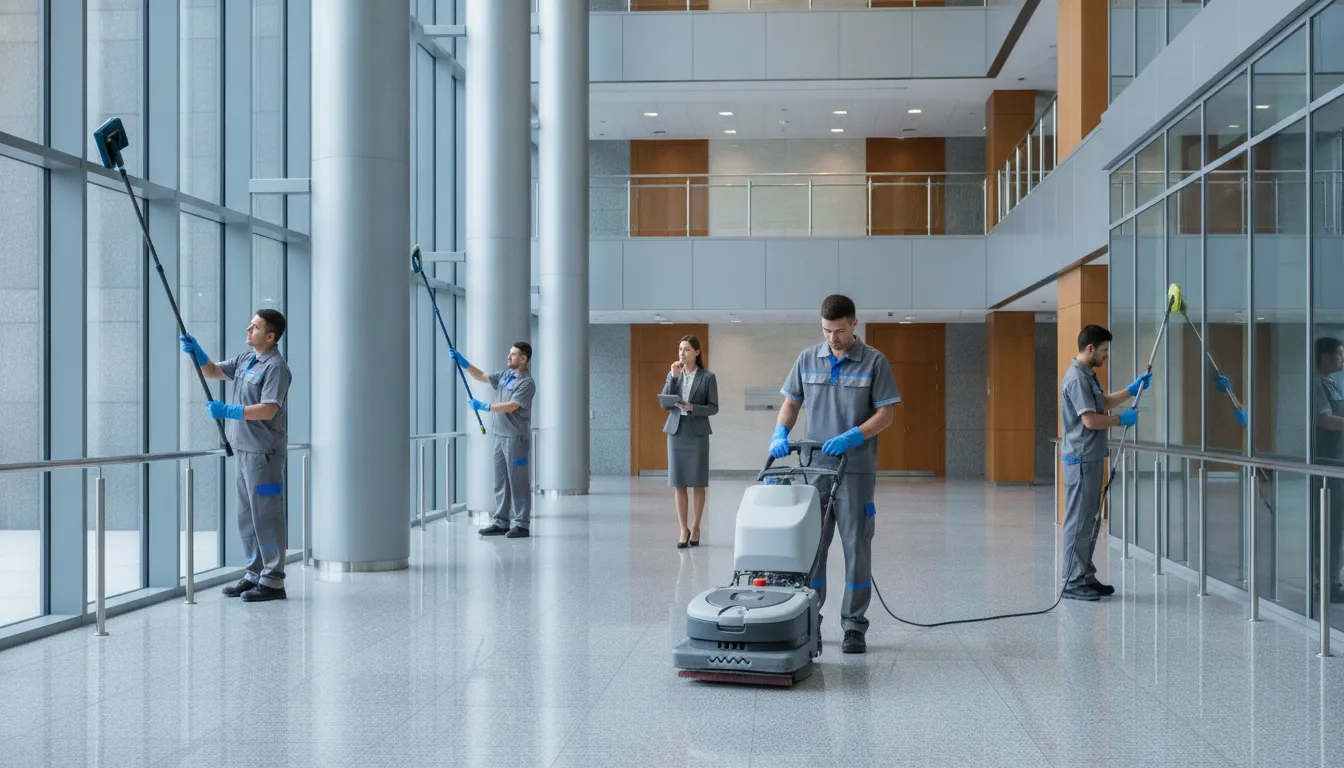
A government building welcomes people with many different needs, from staff arriving for work to residents seeking public services. Keeping the facility clean and orderly supports a better experience for everyone, but the right routine depends on how each space is used. Government building cleaning can include everything from restroom care and floor maintenance to disinfecting shared surfaces and managing waste. Clear schedules, site-specific instructions, and regular quality checks help keep work consistent. Read on to learn how to create a cleaning plan, protect building access, and coordinate service around daily operations.
Key Takeaways
- Match cleaning tasks to each area: Set clear checklists and schedules for public spaces, offices, restrooms, and restricted rooms, then update them when facility needs change.
- Put site and security procedures in writing: Explain access rules, staff screening, approved products, emergency contacts, and how cleaners should report concerns before service begins.
- Review providers and service quality regularly: Compare written scopes, insurance, staffing, inspections, communication, and contract terms, then use routine check-ins to address issues.
What Does Government Building Cleaning Include?
Government buildings serve employees, visitors, and members of the public. Their cleaning plans should account for how each area is used, from private offices to busy service counters. A typical scope may include cleaning workspaces and restrooms, caring for floors, removing waste, and disinfecting frequently touched surfaces. The exact tasks depend on facility standards, foot traffic, operating hours, and budget.
Start by identifying the spaces that need service and how often each task should be completed. A public lobby may need daily attention, while a lower-traffic office might require less frequent cleaning. Facility managers can work with a provider to set a checklist and schedule for daily, weekly, monthly, or occasional service, options described in Cornerstone Cleaning’s government building services.
A written scope helps everyone understand what the cleaning team will handle, which supplies are included, and how to flag concerns. It also gives facility staff a practical way to review the work and request adjustments as building needs change.
Clean offices and high-traffic areas
Office cleaning may include wiping desks and shared surfaces, emptying waste bins, and tidying cubicles, meeting rooms, and other work areas. High-traffic spaces, such as entrances, corridors, stairwells, and elevators, often need more frequent cleaning because dirt and debris can accumulate quickly.
Set cleaning frequency based on occupancy and use. A busy entrance or public counter may need attention each day, while a lightly used meeting room may need service less often. Ask the provider to document these differences in the cleaning checklist. Cornerstone Cleaning outlines several scheduling options, including daily, weekly, monthly, occasional, and recurring service. A clear schedule helps crews cover priority areas while limiting disruption to staff and visitors.
Clean restrooms, break rooms, lobbies, and public counters
Restrooms, break rooms, lobbies, and service counters see regular use from staff and visitors. Cleaning tasks can include sanitizing sinks, toilets, counters, and shared surfaces; removing rubbish; and replenishing soap and paper products. In break rooms, cleaners may wipe tables and counters, clean appliance exteriors, and address spills. Lobbies and public counters benefit from routine attention to visible surfaces, floors, and waste bins.
List these tasks in the service scope, along with who supplies and replenishes consumables. That way, facility staff know who to contact if a dispenser runs empty or an area needs an extra visit. Cornerstone Cleaning’s service checklist includes offices, restrooms, kitchens, break rooms, lobbies, hallways, and elevators. Confirm which of these areas apply to your building and how often each should be cleaned.
Care for floors, dust, interior glass, and waste
Floor care may include sweeping, vacuuming, and mopping, with methods chosen for the flooring type and level of traffic. Dusting shelves, ledges, furniture, and other reachable surfaces helps keep offices and shared rooms presentable. Interior glass, including doors and partitions, may also need routine cleaning to remove fingerprints and smudges. Waste collection typically includes emptying bins and replacing liners according to the facility’s schedule.
Clarify how often these tasks should happen and whether periodic floor treatments or detailed cleaning are included in the contract. Suitable equipment and a structured checklist can help crews work efficiently and consistently. Cornerstone Cleaning describes its use of heavy-duty equipment and checklists to support thorough service while limiting disruption to building users. Ask the provider to explain how its methods suit your floors and furnishings.
Disinfect high-touch surfaces, restock supplies, and deep-clean periodically
Door handles, railings, elevator buttons, shared counters, and other frequently touched surfaces may need regular cleaning and disinfection. The right routine depends on how often people use an area and the facility’s hygiene requirements. Restroom and break-room supplies should also be checked and replenished on an agreed schedule, so staff and visitors can use these spaces comfortably.
Routine cleaning and periodic deep cleaning serve different purposes. Facility managers can plan additional work for areas that need detailed attention, such as floors, upholstery, or hard-to-reach surfaces. Ask which products and methods the provider uses, and confirm they are appropriate for the surfaces in your building. AmeriStar Facility Solutions describes professional cleaning and disinfection among its government facility services. Include the expected frequency of these tasks in the service plan.
Report maintenance and safety concerns
During routine cleaning, staff may notice a leaking tap, damaged floor tile, burned-out light, or spill that could create a slip risk. Agree on a reporting process before service begins. It should identify who cleaners contact, how urgent issues are flagged, and how facility staff record and follow up on reports.
Reporting helps facilities teams hear about visible concerns, but it does not replace inspections or maintenance work. Clarify what cleaners should do when they encounter a hazard, including whether they should alert building staff or keep people away from the area. Cornerstone Cleaning notes that its team can report maintenance and safety issues to the appropriate party. Share the correct contacts and escalation steps with the cleaning team during onboarding.
How Do Government Facilities Differ from Private Buildings?
Government facilities may have public-facing service areas, restricted rooms, access controls, and site procedures that cleaners must follow. Requirements vary by building, so facility managers should explain sign-in steps, escort rules, approved routes, and areas that are off-limits. Cleaning schedules may also need to fit around public hours, staff routines, meetings, and other facility operations.
Before service starts, ask how the provider prepares its employees for site-specific rules and how staff are identified while on the premises. For example, Stratus Clean describes background checks, identifiable uniforms, and training on access rules and restricted areas. Confirm the arrangements that apply to your facility, including who approves access and whom cleaners should contact if a rule or safety concern is unclear.
How Do Providers Protect Security and Meet Requirements?
Cleaning a government building involves more than following a task list. Cleaners may work near public counters, staff offices, records, equipment, and restricted areas. Before service starts, your provider should understand the building’s access rules, security procedures, and cleaning requirements. These can vary by agency, location, and contract, so confirm the specifics with your facility, security, and procurement contacts.
Ask the provider to explain how it vets and supervises staff, manages keys and access cards, protects confidential spaces, and reports incidents. For example, Stratus Clean describes background checks, identifiable uniforms, and training on restricted areas. Discuss how those practices will align with your facility’s own approval process.
Put site expectations in writing before the first shift. Clarify who can enter, where cleaners may work, which items or areas they must leave untouched, and whom to contact with questions. Written procedures give staff a consistent reference and help supervisors confirm that cleaning practices meet the building’s security, safety, and contract requirements. Review the procedures when access rules or service needs change.
Vet staff and complete required background checks
Ask how the provider screens cleaners and whether your facility requires specific background checks, clearances, or approvals. Look for a defined process that confirms each assigned worker is eligible to work on site. Include new hires, substitutes, and replacement staff in the discussion, since they may need approval before receiving access.
Confirm who keeps screening records and how your facility can verify that workers have met its requirements. Discuss whether cleaners must wear uniforms or display identification, and how supervisors track who is assigned to the building. Stratus Clean outlines background checks and identifiable uniforms, examples of practices you can address in your service agreement.
Follow badge, escort, sign-in, and restricted-area rules
Explain the building’s entry and movement procedures before cleaning begins. Specify where cleaners sign in, how they receive and display badges, whether an escort is required, and which areas are off limits. Give clear instructions for situations such as a lost badge, a locked door, or a request to enter a restricted space. Cleaners should know to pause and contact an authorized facility representative rather than guess what to do.
Ask the provider to cover these procedures during onboarding and refresher training. Identify a facility contact who can answer access questions, and explain how staff should report attempts to direct them beyond their approved duties. Cornerstone Cleaning describes staff training, vetting, and compliance with building standards, topics to discuss when setting site expectations.
Secure keys, access cards, alarm details, and entry codes
Agree on how the provider will receive, use, track, and return keys or access cards. Limit access to staff who need it, and set a clear handoff process between shifts. Cleaners should know whom to contact immediately if an item is lost or stolen. They should never leave keys or cards unattended in carts, unlocked rooms, or other unsecured places.
Treat alarm details and entry codes as confidential. Use a method approved by your facility to share them, and confirm how the provider limits access to this information and removes it when a worker leaves the assignment. Keep codes out of general checklists. Document who may hold access items, how they should be stored, and what staff must do with them at the end of each shift.
Protect documents, equipment, and confidential spaces
Tell cleaners which desks, files, devices, and rooms must remain untouched. Written instructions should explain how to clean around paperwork and equipment without reading, moving, unplugging, or opening anything. If documents cover a surface, staff should know whether to leave it alone and report the issue rather than rearrange materials.
Identify rooms that require special permission, such as records areas, server rooms, or offices used for confidential work. If cleaning is approved, define the allowed tasks and any product or equipment restrictions. Ask how the provider trains staff to respect these boundaries and what they should do if confidential materials are exposed or equipment appears damaged. AmeriStar Facility Solutions describes its focus on trained staff and reliable cleaning processes, points to raise when discussing sensitive spaces.
Train cleaners to follow site rules and report incidents
Share written site procedures with the provider, then ask how supervisors confirm that each cleaner understands them. Training should cover access limits, emergency contacts, incident reporting, and when staff should stop a task and alert facility personnel. Include clear steps for reporting spills, broken fixtures, damage, suspicious activity, or unexpected access to a restricted area.
Make reporting straightforward. Name the facility contact, state the preferred reporting method, and explain what information to provide. Ask the provider to document incidents and clarify who is responsible for follow-up, particularly when an issue affects safety or building operations. Cornerstone Cleaning notes that its staff can report maintenance and safety concerns, a capability to confirm when reviewing a provider’s training and communication procedures.
Confirm applicable safety, product, and procurement requirements
Before signing or renewing an agreement, confirm the rules that apply to your facility and the work being performed. Requirements may address worker safety, approved cleaning products, equipment, waste handling, insurance, recordkeeping, and procurement. Since requirements differ among agencies and sites, verify them with the appropriate safety, procurement, and facility contacts.
Provide the cleaning provider with a written list of approved products or restricted ingredients, if applicable. Ask how proposed substitutions are reviewed before use. Confirm that the staffing plan, schedule, documentation, and service scope align with the contract, and agree on how changes will be approved. Cornerstone Cleaning references compliance with local and federal building maintenance standards. Your facility should specify which standards and contract terms the provider must follow.
What Benefits Does Professional Government Building Cleaning Provide?
Government buildings serve employees, residents, and visitors throughout the day. A professional cleaning plan helps keep these spaces presentable and hygienic while accounting for busy public areas, staff workspaces, and facility-specific rules. It can also give managers a consistent way to set cleaning priorities, check that tasks are completed, and raise concerns.
The benefits depend on a clear scope and a provider that understands the building’s needs. Before service begins, facility managers can agree on cleaning frequencies, approved products, access procedures, and reporting contacts. With those expectations in place, cleaning becomes a dependable part of daily operations, rather than a task that staff must coordinate on the fly.
Keep public spaces clean, welcoming, and hygienic
Residents and visitors form an impression of a government facility as soon as they enter. Clean lobbies, waiting areas, public counters, and restrooms help make the building feel cared for and ready to serve the community. Regular attention to floors, interior glass, waste bins, and shared surfaces also helps public areas stay orderly during busy periods.
Cleaning needs vary by location and foot traffic. A lobby may need more frequent attention than a low-use office, while public restrooms may need several checks during the day. A provider can set a schedule around these patterns and the facility’s operating hours. Government building cleaning services can be tailored to help keep public facilities clean, sanitary, and ready for daily use.
Support occupant health and workplace safety
Employees and visitors share surfaces such as door handles, counters, railings, and restroom fixtures. Consistent cleaning, along with disinfection where appropriate, helps maintain more hygienic shared spaces. The provider should choose products and methods suited to the surface and task, and follow the facility’s safety procedures.
Routine cleaning can also help staff spot issues that need attention, such as spills, blocked walkways, or damaged fixtures. Cleaners should know how to report these concerns promptly to the appropriate facility contact. Some providers, including AmeriStar Facility Solutions, include cleaning and disinfection in their government facility services. Facility managers should confirm that the provider’s products and practices meet site requirements.
Provide consistent service with trained, insured cleaners
A reliable cleaning plan depends on people who understand their responsibilities and the building’s rules. Trained cleaners can follow task checklists, use equipment as intended, and respect restricted areas. Insurance offers facility managers added assurance when arranging work on site.
When comparing providers, ask how they screen, train, and supervise their staff. Confirm how cleaners receive site instructions, identify themselves, and handle access restrictions. For example, Stratus Clean describes background checks, uniforms, and training on restricted areas and access procedures. Practices vary by provider, so verify that the company’s approach aligns with your facility’s security policies and contract requirements.
Free facility teams to focus on public services
Facility teams handle more than cleaning. They coordinate maintenance, respond to staff requests, and help keep public services running. Assigning routine cleaning to a professional provider can give those teams more time for these responsibilities, while giving managers a clear contact for schedules, supplies, and service follow-up.
To make the arrangement work, define the scope before service starts. List the rooms and tasks included, set cleaning frequencies, and identify how staff can request additional work. Cleaners may also notice maintenance concerns while working, such as a broken fixture or leak. Agree on how they should report those issues and who will direct them to the right person.
Create clear channels to report cleaning and maintenance concerns
A simple reporting process helps facility managers address missed tasks, supply shortages, and maintenance concerns without confusion. Choose a primary contact for the cleaning provider, identify who handles urgent reports, and decide how routine requests should be submitted. A shared log or service-request system can track when an issue was raised and what follow-up occurred.
Before work begins, agree on expected response times and the steps for urgent situations. Regular check-ins can reveal recurring concerns and help managers adjust task lists or schedules. Clear communication is also important when facility access or operations change. Providers that emphasize communication and customer service can work with facility contacts to establish a practical way to share feedback and report concerns.
How Can Facilities Tailor Cleaning Plans and Schedules?
A useful cleaning plan reflects how people use each part of a government building. A busy lobby, a staff break room, and a restricted office have different cleaning needs and access requirements. Work with your provider to set priorities, define task frequency, and decide how staff can request extra service. A written checklist helps cleaners and facility teams share the same expectations. Review it regularly so the schedule continues to fit the building’s operations, hygiene needs, and budget.
Set task frequency by room use, traffic, and hygiene needs
List each room, how often it is used, and the cleaning it requires. A public lobby or restroom may need attention several times a day, while a low-traffic office may only need routine service. Consider hygiene needs, floor type, shared equipment, and seasonal changes when setting frequencies.
Group tasks by timing: daily, weekly, monthly, or as needed. For example, emptying waste bins may be a daily task, while detailed floor care may happen less often. Ask your provider to create a checklist based on your facility’s standards, needs, and budget, as Cornerstone Cleaning recommends for government buildings. Revisit the schedule when room use or occupancy changes.
Prioritize public-facing, high-touch, and higher-risk areas
Identify the spaces and surfaces that need the most consistent attention. These may include entrances, reception areas, public counters, door handles, elevator buttons, shared workstations, and restrooms. Use a written list to clarify which surfaces cleaners should sanitize and how often, based on traffic and facility procedures.
Some areas may also need special products or handling. Specify those requirements in the cleaning plan, including who can approve a change to the method or product. Cornerstone Cleaning includes sanitizing common and high-touch areas in its government building services. A clear priority list helps the cleaning team focus on busy areas first, particularly during peak hours or when the facility hosts a large number of visitors.
Schedule around public hours, staff routines, and facility operations
Plan cleaning times around public opening hours, staff schedules, and services that must continue throughout the day. Decide which tasks can happen while the building is open and which are better scheduled before opening, after closing, or during quieter periods. Consider noise, equipment use, and whether a space needs to remain accessible.
Share access rules before service begins. Explain sign-in procedures, badge or escort requirements, restricted areas, and any security steps cleaners must follow. Confirm the schedule with the facility contact responsible for building operations. Stratus Clean describes coordinating scheduled access, security requirements, after-hours work, and site procedures. Planning these details with your provider helps reduce interruptions for staff and visitors.
Plan for meetings, events, seasonal needs, and urgent requests
Routine service may not cover the extra cleaning required after a public meeting, training session, or community event. Identify recurring events and agree on what support may be needed before, during, or afterward. Share the event calendar with your provider, and set a process for requesting additional service when plans change.
Seasonal conditions can also affect the workload. Rain may mean more attention to entry floors, while pollen can call for extra dusting. Decide who can submit an urgent request, how the provider should respond, and who approves additional work. An initial site visit can help identify facility-specific needs. AmeriStar describes inspecting a building before creating a tailored cleaning plan. Include expected timing and contacts in the plan.
Share site rules, contacts, supply responsibilities, and emergency procedures
Prepare a site guide for the cleaning team. Include operating hours, entry instructions, restricted areas, safety requirements, and contact details for facility representatives. Explain how cleaners should report spills, damage, supply shortages, or security concerns, and who can authorize access to additional spaces.
Set out who provides cleaning products, equipment, liners, soap, and paper goods. If the facility requires approved products or specific waste-handling procedures, document those expectations. Include emergency instructions, such as what to do if an alarm sounds, a leak is found, or an area must be cleared. Government facilities may have specific sanitation, training, and compliance requirements, so confirm the provider has communicated relevant procedures to its cleaning staff before service starts.
Review service levels and revise plans as requirements change
Set regular check-ins to discuss completed tasks, inspection results, staff feedback, and service requests. If a lobby needs more frequent attention or a restroom is often short on supplies, adjust the checklist or schedule. Record each change so facility staff and cleaners work from the same instructions.
Review the plan whenever occupancy, public hours, department locations, or security procedures change. You can also agree on practical measures, such as inspection results, response times, and completion of scheduled tasks. Stratus Clean highlights customized service, protocol compliance, and quality checks, which are useful topics to discuss when setting review standards. Regular communication helps ensure the cleaning plan stays aligned with the facility’s current needs.
What Quality Controls Keep Cleaning Consistent?
Consistent cleaning depends on clear expectations, regular checks, and a reliable way to address problems. Government buildings often combine public counters, staff offices, restrooms, and restricted spaces, each with different cleaning needs. A quality plan should identify the tasks required in each area, how often teams should complete them, and how facility managers will assess the results.
Before service starts, facility contacts and the cleaning provider should agree on the scope, schedule, approved products, access procedures, and reporting channels. A facility-specific cleaning checklist and schedule can turn broad expectations into practical instructions for the cleaning team. It also gives facility staff a shared reference when reviewing service or requesting a change.
Quality controls should reflect how the building operates. A busy lobby may need more frequent attention than a low-traffic office, and event schedules can change cleaning priorities. Regular inspections and clear communication help catch missed tasks, respond to changing needs, and keep service aligned with facility standards. Agreeing on these controls upfront gives the provider and facility team a consistent way to measure performance and follow up.
Define the scope, checklists, and measurable service standards
List every area covered by the service, from public counters and restrooms to offices and floors. For each space, identify the required tasks and their frequency. Specify, for example, whether teams should disinfect high-touch surfaces daily, empty waste bins during each visit, or restock supplies when they run low.
Make standards easy to observe. “Clean the lobby” can mean different things to different people. Instructions such as “remove visible debris, wipe public counters, and empty waste bins” give cleaners and supervisors clear tasks to verify. Keep the checklist available to the cleaning team and facility contact, and update it when building use or requirements change. A defined scope also clarifies which tasks are included in the service and helps both parties discuss additional requests.
Schedule inspections, audits, and corrective actions
Routine inspections help facility managers check whether teams meet agreed standards across areas and shifts. A supervisor or facility contact can use the same scorecard each time to review floor condition, restroom cleanliness, and supply levels. Set an inspection schedule that suits the facility, then document findings so recurring concerns are easy to spot.
Agree on how the provider will assign corrective actions and confirm that issues are resolved. For instance, a missed task can be logged, assigned to a team member, and rechecked during the next visit. Some providers use formal evaluation systems and routine inspections, as Stratus Clean outlines for government facilities. Ask how inspection results are recorded, who reviews them, and what happens when standards are not met.
Set processes for service requests, complaints, and follow-up
Give facility staff a straightforward way to report a missed task, supply shortage, or urgent cleaning need. Choose a channel, such as a designated phone number, email address, or service portal, and explain who monitors it. Staff should know what information to provide, including the location, issue, and urgency.
Set response expectations according to the request. A spill near an entrance may require immediate attention, while a proposed change to a routine task can wait for a scheduled review. The provider should acknowledge each request, record the action taken, and tell the appropriate contact when the issue is resolved. Tracking requests can also reveal patterns. If the same concern comes up repeatedly, the facility contact and provider can review staffing, task frequency, or the checklist to find a lasting solution.
Agree on regular reporting and communication with facility contacts
Name a primary contact for the facility and one for the cleaning provider, then set a regular check-in schedule. Brief reports can cover inspection results, open requests, completed corrective actions, supply concerns, and changes to service. Keep reporting focused so facility managers can quickly identify decisions or follow-up that needs attention.
Communication is especially important when building use changes because of public events, construction, or seasonal traffic. Share schedule updates and revised access instructions promptly, and ask the provider to report staffing or service issues that could affect coverage. If the facility needs support outside regular hours, agree on an escalation process in advance. Written updates give both sides a clear record of decisions, responsibilities, and next steps, while regular check-ins make it easier to adjust the plan as facility needs change.
Choose suitable products, equipment, and cleaning methods
Choose products and equipment according to the surface, task, and facility rules. A cleaner suitable for a hard floor may damage another material, and disinfectants must be used as directed on their labels. Before service begins, identify approved products, storage requirements, ventilation considerations, and any restrictions on use.
Ask how the provider trains cleaners to handle products and equipment safely. Confirm who supplies and replaces materials, where teams can store them, and how equipment will be used around staff and visitors. Providers that emphasize trained staff, efficient processes, and appropriate products, such as AmeriStar Facility Solutions, can explain how their methods support consistent service. Review product and equipment choices whenever the facility changes its surfaces, operating schedule, or cleaning priorities.
What Should Facilities Look for in a Government Cleaning Provider?
Choosing a cleaning provider for a government facility takes more than comparing prices. Look for a company that understands commercial spaces, can follow your site’s security procedures, and has a clear plan for delivering consistent service. Its proposal should account for the needs of public areas, staff workspaces, and any restricted zones.
Before making a decision, ask about the provider’s relevant experience, staff screening, insurance, supervision, and quality checks. Request a written proposal that spells out the work, schedule, costs, and process for handling concerns. These questions can help you compare providers and set clear expectations from the start.
Look for commercial and public-facility experience
Ask whether the provider has cleaned buildings with similar occupancy, public access, and operating hours. Experience in offices or other public-facing facilities can help a cleaning team plan around visitor traffic, staff routines, and areas that need more frequent attention. Request examples of comparable work and references you can contact.
Ask how that experience informs the proposed cleaning plan. The provider should be able to explain task frequency, inspection practices, and how it adjusts service when building use changes. For example, Cornerstone Cleaning outlines its commercial and specialty services and describes using structured checklists. Ask prospective providers how they document work and maintain consistent standards at your facility.
Confirm providers vet and insure staff and document security practices
Ask how the provider screens and prepares staff who will work in your facility. Confirm whether background checks are completed when required, what site-specific training cleaners receive, and how that training is documented. Request proof of insurance and check that the coverage meets your organization’s requirements.
Security procedures should be specific. Ask how staff handle badges, keys, access cards, alarms, confidential spaces, and incidents. Stratus Clean describes its background checks, identifiable uniforms, and training on restricted areas. Use these topics to guide your questions, then confirm the provider can follow your facility’s access rules and reporting procedures.
Check staffing, supervision, and backup coverage
A clear proposal explains who will clean your facility, who supervises the work, and how the provider handles staff absences. Ask whether the same team will regularly serve your site, how supervisors verify completed tasks, and how cleaners receive updates when priorities or access rules change.
Find out how quickly the provider can arrange backup coverage and whether replacement staff will complete the required screening and site orientation before entering. Ask about the checklists and equipment used to keep service consistent across shifts. Cornerstone Cleaning notes its use of structured checklists and heavy-duty equipment. Discuss what tools and procedures your building needs, including any rules for storing or using equipment on site.
Review pricing, contract terms, and the defined scope
Request a written estimate that lists the tasks, schedule, and price. The scope should identify which rooms and surfaces are included, how often each task will be completed, and whether services such as supply restocking, periodic deep cleaning, or event cleanup cost extra. Clear details make proposals easier to compare.
Review the contract length, renewal terms, payment schedule, and process for changing the scope. Ask whether additional work requires approval before charges apply. Cornerstone Cleaning says it provides rates and estimates before work begins. Confirm that the proposal also fits your organization’s purchasing process, approval limits, and documentation requirements.
Look for responsive communication, references, and a service guarantee
Identify your main contact, the site supervisor, and the channel for urgent requests before signing. Ask how quickly the provider acknowledges concerns, who follows up, and how it records corrective actions. A clear communication process helps facility staff report missed tasks and confirm when they have been addressed.
Request references from clients with similar buildings or service needs. Ask about reliability, staff conduct, communication, and how the provider handled problems. Review any service guarantee carefully: find out what it covers, how to report an issue, and when the provider will return to address it. AmeriStar Facility Solutions describes its focus on trained staff, efficient processes, and reliable service. Verify such commitments through references and written terms.
Confirm providers can meet procurement, access, and site-specific requirements
Compare each proposal with your facility’s purchasing and operating requirements. These may include vendor registration, insurance documents, contract terms, staff screening, access permissions, or records for service reviews. Ask providers to identify any requirements they cannot meet before you move forward.
Discuss your building’s operating hours, restricted areas, visitor traffic, waste procedures, and emergency protocols. Review any rules for cleaning products and equipment, too. The service plan should explain how cleaners will care for public spaces while respecting access limits and minimizing disruption. Cornerstone Cleaning describes its government building service as secure and efficient. Ask each provider to turn similar commitments into specific steps, staff responsibilities, and reporting procedures for your site.
How Should Facilities Prepare to Start Service?
A clear handoff helps the cleaning team understand how your building operates before the first visit. Prepare written instructions for access, schedules, cleaning standards, supplies, and communication. Review them with the provider, then update them when facility needs or procedures change.
Share access rules, restricted-area details, and site contacts
Explain how cleaners should enter and move through the building. Include sign-in steps, badge or escort requirements, approved entrances, and any areas that need special permission. Identify spaces such as records rooms, secure offices, or rooms with sensitive equipment, and explain what cleaners should do if they encounter an unexpected access issue.
Provide contact details for the facility manager and an after-hours contact. Clarify who can approve access changes and how to report a lost key, access card, or security concern. Stratus Clean outlines the importance of vetted cleaning teams following site access rules and respecting restricted areas. A written guide helps staff follow the same procedures on every visit.
Provide operating hours, facility standards, and emergency procedures
Share public hours, staff schedules, and times when cleaning could interrupt services. Note busy periods, meetings, public events, and areas that need attention before opening. Set expectations for each space, including public counters, restrooms, waiting areas, and staff offices.
Include instructions for spills, leaks, and safety concerns. Explain who cleaners should contact, which issues they may address, and when an area should remain untouched. A task list and schedule can make expectations easier to follow. Cornerstone Cleaning describes building cleaning plans shaped around a facility’s standards, needs, and budget. Review the schedule and procedures with the provider before service begins.
Confirm onboarding, supplies, equipment, and waste responsibilities
Before the first shift, confirm which cleaners need site orientation, security credentials, or safety training. Decide who will supply cleaning products, tools, protective equipment, and consumables such as soap and paper goods. Share any approved-product requirements or equipment restrictions in writing, and identify where supplies may be stored.
Clarify how the team should handle recycling, confidential paper, and waste that requires special disposal. Point out collection areas and items cleaners must leave untouched. AmeriStar Facility Solutions highlights trained staff, appropriate products, and reliable processes as parts of facility cleaning. Agreeing on these details in advance helps prevent missed tasks and ensures the team arrives prepared.
Set inspection schedules, service reviews, and urgent-request procedures
Decide how often a supervisor or facility contact will inspect the work, which areas they will review, and how findings will be recorded. Use a shared checklist with specific standards, such as restrooms replenished and floors free of visible debris. Set regular service reviews so the facility and provider can address recurring concerns, assign follow-up actions, and track progress.
Choose a clear channel for routine requests and a separate process for urgent issues, such as a spill in a public area. Share contact names, expected response times, and an escalation path if the first contact is unavailable. Keep instructions accessible to the people responsible for reporting issues. A consistent review and response process helps both teams maintain service standards and resolve concerns promptly.
Related Articles
- Crystal Clean Collective LLC | Professional Home & Office Cleaning Services
- Cleaning Tips & Insights | Crystal Clean Collective LLC
Frequently Asked Questions
How often should a government building be cleaned? Set the schedule by room use, visitor traffic, and hygiene needs. Public restrooms and busy entrances may need more frequent service than lightly used offices. Review the schedule when occupancy, operating hours, or facility activities change.
Can cleaners work while the building is open? Yes, if the schedule and tasks fit the facility’s operations. Discuss which areas can be cleaned during public hours and which are better handled before opening, after closing, or during quieter periods. Include any access, noise, or safety procedures in the site instructions.
Should government buildings use disinfectants on every surface? Not necessarily. Choose cleaning and disinfection methods based on the task, surface, product directions, and facility rules. Confirm approved products with the appropriate facility contact, and tell the provider about any restrictions before work begins.
What should a facility do if cleaners find a safety or maintenance issue? Give the cleaning team a named contact and a clear reporting process. Explain how to flag urgent concerns, such as spills or leaks, and how to report routine issues, such as damaged fixtures. Cleaning staff can report what they notice, but facility personnel remain responsible for inspection and repairs.
How can facility managers check that cleaning service meets expectations? Use a written checklist with clear tasks and cleaning frequencies, then review the work through scheduled inspections. Record missed tasks and service requests, assign follow-up, and discuss recurring concerns with the provider during regular check-ins.
Government facility managers can review our commercial cleaning services when evaluating ongoing support.