Fitness Center Cleaning: A Practical Guide to Hygiene
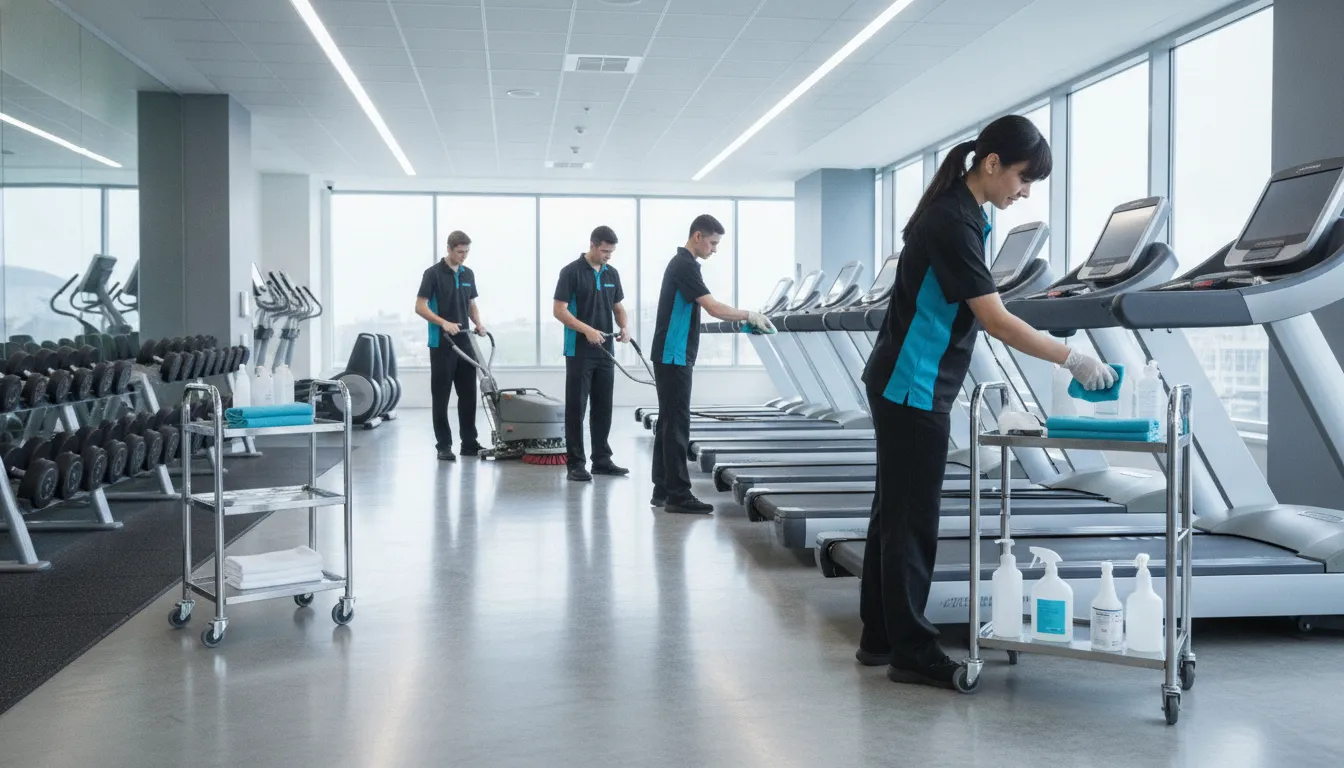
Members notice when equipment feels sticky, floors look dusty, or locker rooms smell damp. They also notice when a facility feels cared for. That’s why fitness center cleaning should be part of the daily operation, not a task left until the doors close. A clear schedule helps staff clean shared touchpoints, respond to spills, restock essentials, and check areas that need extra attention. It also helps protect flooring and equipment by matching products to each surface. In this guide, you’ll find straightforward ways to set cleaning priorities, train staff, and keep workout spaces, restrooms, and locker rooms ready for members.
Key Takeaways
- Create a reliable cleaning routine: Assign tasks by area and frequency, then use checklists to track completion.
- Protect people and surfaces: Choose products suited to each material, follow label directions, and let cleaned floors and equipment dry fully.
- Share responsibility for upkeep: Train staff, make wipe supplies easy to reach, encourage members to clean equipment after use, and schedule professional help for intensive cleaning.
Why Clean Fitness Centers?
A fitness center sees constant use. Members move between workout equipment, floors, locker rooms, showers, and restrooms, carrying sweat, dirt, and moisture from one area to another. Without a regular cleaning routine, shared surfaces can become unpleasant and harder to maintain. A clear plan helps staff address messes throughout the day, not just during closing duties.
Cleaning also supports a better member experience. People are more likely to feel comfortable using equipment and shared amenities when they see that the facility is cared for. At the same time, using products suited to each surface helps protect flooring, upholstery, and equipment from avoidable wear. Staff can follow daily checklists for routine tasks and schedule deeper cleaning for areas that need extra attention.
A well-kept facility takes teamwork. Staff need clear procedures, suitable supplies, and time to complete tasks properly. Members can help by wiping equipment after use and reporting spills or maintenance concerns. For intensive upkeep or areas that require specialized attention, a professional cleaning service can work alongside the facility’s in-house team.
Reduce viruses, bacteria, and skin infections
Members share machine handles, weights, benches, mats, and locker-room surfaces. Sweat and moisture left behind can make these areas less hygienic, while frequent contact means high-touch points need regular attention. Consistent cleaning and disinfection support a healthier environment, though no cleaning routine can remove every health risk.
Focus on grips, controls, adjustment points, benches, and other shared surfaces. First remove visible dirt, then apply an appropriate disinfectant and leave it on the surface for the contact time stated on its label. Avoid rushing this step by wiping the product away too soon. Rubber flooring and mats also need care suited to their material. EKO Carpet Cleaning’s guide to gym floor care explains why regular maintenance matters for these surfaces.
Limit dust, allergens, moisture, mold, and odors
Dust and debris collect under machines, along floor edges, and around vents. Sweat, damp towels, and standing water can contribute to stale odors, especially in locker rooms and showers. Regular cleaning removes soil before it accumulates, while prompt drying helps keep moisture from lingering on surfaces.
Include less visible areas in routine checks. Staff can look for spills inside lockers, damp spots near showers, blocked drains, or signs of leaks, then report maintenance issues. Adequate ventilation and dry surfaces also help keep locker rooms fresh. Cleaning alone will not resolve an ongoing leak or ventilation problem, so address the source as well. Westlink Commercial Cleaning’s locker-room recommendations highlight the importance of checking for moisture and following a consistent cleaning schedule.
Prevent slips and protect equipment and surfaces
Sweat, spilled drinks, and leftover cleaning solution can make floors slippery. Clean spills promptly, use a floor product suited to the surface, and dry the area before allowing members to walk through it. If a floor remains wet, block access and place a visible wet-floor sign until it is safe.
Routine floor care can also reduce wear. Grit, sweat, and salts may damage rubber flooring over time, while excess water or unsuitable cleaners can affect some surfaces and equipment. Sweep or vacuum before damp mopping, and check corners and the space beneath movable equipment for buildup. Follow manufacturer guidance for specialty flooring and machines. Using the right method for each material helps keep surfaces in good condition and reduces the need for premature repairs or replacement.
Build member confidence and satisfaction
Members notice the details: clean equipment, tidy workout areas, fresh-smelling locker rooms, and restrooms stocked with essentials. These signals help a facility feel welcoming and show that hygiene is taken seriously. A visibly clean space can also make members more comfortable using shared equipment and amenities.
Consistency is key. Give staff clear checklists, assign responsibility for each area, and make suitable supplies easy to access. Train employees on cleaning procedures and check completed tasks, particularly during busy periods. Tork’s gym hygiene guidance emphasizes the role of trained cleaning staff, while Zogics’ hygiene standards guide discusses accountability and shared responsibility. Clear reminders can also encourage members to wipe down equipment after use and report spills.
Build a Consistent Cleaning Plan
A written cleaning plan helps fitness center staff keep every area on schedule, even during busy shifts or staff changes. Start by mapping the facility, then set task frequencies based on traffic, surfaces, and hygiene needs. Assign clear responsibilities, train staff on each procedure, and check that supplies are ready before work begins. Review the plan regularly so it continues to match how members use the space.
Map high-touch, busy, and material-specific areas
Walk through the facility and list its rooms, equipment, surfaces, and busiest times. Note high-touch points such as machine handles, locker room benches, shower controls, reception counters, and restroom fixtures. These areas may need attention several times a day, while quieter spaces can follow a less frequent schedule. For example, RBM Building Services recommends cleaning locker rooms at least twice daily, with more frequent service in high-volume gyms.
Record materials as well as locations. Rubber flooring, upholstery, touchscreens, and stainless steel may each need a different cleaning method. A simple floor plan or area list helps staff prioritize work, choose suitable products, and avoid using a cleaner that could damage a surface.
Assign tasks and use area checklists
Give each shift a clear list of duties. Include the area, task, timing, and any product or tool required. For example, a restroom checklist might cover cleaning sinks and fixtures, replenishing soap and paper products, and checking for wet floors. Specific instructions help staff understand what to do and when to report a spill, repair, or supply shortage.
Keep checklists close to the work, such as on a clipboard at the supply station or in a shared digital file. A cleaning log with timestamps and staff initials helps managers confirm that tasks are completed and identify areas that need more attention. Review the lists regularly, and revise them when traffic patterns or facility needs change.
Train staff with demos and written procedures
Show staff how to complete each task before asking them to work independently. Demonstrate how to clean shared equipment, handle tools safely, and follow product labels. For commercial vacuums and floor scrubbers, include hands-on practice so staff can learn safe operation and proper movement. Invite them to ask questions and demonstrate the task back to you.
Write short procedures for recurring jobs, then store them where staff can find them easily. Clear instructions support new hires and give experienced team members a reference when a process changes. The Cleaning Station’s training guidance highlights practical demonstrations with commercial equipment. Schedule refreshers when you add new products or tools, or when inspections show that a procedure needs more explanation.
Track tasks and inspect work
Use completed checklists to track routine work, then inspect key areas to confirm they meet your standards. Check high-touch surfaces, floors, restroom supplies, and less visible spots such as corners and the space beneath movable equipment. If staff regularly miss the same task, review its timing, instructions, and staffing needs before assuming the problem is individual performance.
Record inspection findings and share specific, constructive feedback with the team. Recognize consistent work, and use recurring issues to plan focused training. Tork Global’s gym cleaning guidance notes that regular staff training supports clean facilities. Keeping task and inspection records also gives managers a practical way to spot patterns and address concerns early.
Separate tools by area and stock supplies
Assign cleaning cloths, mop heads, and other reusable tools to specific areas. Keep restroom tools separate from those used in workout spaces, and use color-coding or clear labels to help staff identify each set. Clean and store reusable equipment according to your procedures, and replace tools that are worn or difficult to sanitize.
Create a central supply station with commonly used products, gloves, bags, and replacement cloths. Check stock before each shift so staff can complete tasks without leaving an area to search for supplies. ISSA’s staff training guidance recommends organized cleaning stations to support clear, repeatable workflows. Label products, store them securely, and show staff how to report low stock.
Follow health rules and handle chemicals safely
Include workplace health and safety requirements in your cleaning procedures. Keep restrooms sanitary and ensure workers can access toilet facilities, as described in OSHA’s restroom and sanitation requirements. Assign staff to check restrooms and provide a clear process for reporting plumbing problems, spills, or other hazards.
Train staff to read product labels and follow directions for dilution, ventilation, contact time, storage, and protective equipment. Never mix cleaning chemicals, and keep products in their original, labeled containers. Explain what to do if a product spills or causes irritation, and identify whom staff should contact for help. Store chemicals securely, restrict access to authorized workers, and post relevant safety instructions near the storage area.
Choose and Use Cleaning Products Safely
Match products to surfaces and equipment
A cleaner that works on tile may damage rubber flooring, upholstery, a painted locker, or a treadmill screen. Check both the product label and the equipment manufacturer’s care instructions before cleaning. Metal lockers may need a non-abrasive, non-corrosive product, while wood and laminate often call for gentler cleaners and soft cloths. Plastic surfaces can vary, so confirm that the product is suitable for the specific material.
Take extra care with rubber, electronics, vinyl, and painted finishes. Strong chemicals and rough scrubbers can cause discoloration, cracks, or residue. The material-specific locker cleaning guide offers useful examples, but follow the manufacturer’s instructions for equipment and surfaces in your facility.
Choose EPA-registered disinfectants for each use
Select a disinfectant registered with the U.S. Environmental Protection Agency for the intended use. Read the label to confirm that it is suitable for the surface and purpose, whether you’re cleaning a locker handle, a bench, or shared exercise equipment. A disinfectant isn’t automatically appropriate for every material, so check before applying it.
Follow the product’s directions for pre-cleaning, dilution, application, and contact time. Contact time is how long the surface must remain wet for the disinfectant to work as directed. Keep labels accessible so staff can check instructions while cleaning, rather than relying on memory. The EPA’s list of registered disinfectants can help you find products for specific uses.
Remove visible soil before disinfecting
Sweat, dust, and body oils can get in the way of effective disinfection. First, remove visible soil with a suitable cleaner and a clean cloth. Then apply the disinfectant according to its label. This sequence is useful for shared equipment, locker room benches, and other surfaces that see frequent contact.
Replace cloths when they become soiled, and use clean ones as you move between areas. This helps prevent grime from spreading from one machine or surface to another. Follow the product label if it gives different instructions for pre-cleaning. The gym locker cleaning guide also recommends removing visible dirt before applying disinfectant.
Follow label directions for dilution, ventilation, and contact time
Read the full product label before use, including directions for dilution, suitable surfaces, and ventilation. If a cleaner needs to be diluted, measure the amount carefully and use the container specified by the manufacturer. Guessing the ratio can affect how well the product works or leave residue on surfaces.
Pay close attention to contact time. If the label says a surface must stay wet for a set period, wiping it dry too soon may reduce the disinfectant’s effectiveness. Keep the area ventilated as directed, particularly in locker rooms and restrooms. Make sure staff know where to find product instructions, and review them during training so everyone uses cleaners consistently.
Avoid chemical mixing, excess moisture, and residue
Never mix cleaning products. Combining bleach with ammonia or other cleaners can release dangerous gases. Mixing products may also damage surfaces or affect how they work. Use one product at a time, follow its label, and store chemicals in their original, clearly marked containers.
Apply only as much liquid as needed. Excess moisture can seep into equipment seams, damage surfaces, or leave floors slippery. It may also create damp conditions that are difficult to keep clean. Rubber mats and flooring need particular care: use products recommended for the material and make sure the surface dries fully before members return. This rubber floor and mat cleaning advice can help staff choose suitable products.
Wear protective gear as directed
Check the label to see whether staff need gloves, eye protection, or other protective equipment. Provide the recommended gear and make sure it fits properly and is in good condition. Train employees to put it on and remove it safely, then store it without transferring chemicals to clean surfaces or shared items.
Protective gear works best alongside careful handling. Staff should prevent splashes, wash their hands after cleaning, and follow instructions for ventilation and spill response. If a product requires special precautions, post the directions near its storage area and include them in staff training. Tork’s gym hygiene guidance also recommends making protective equipment available when stronger cleaning chemicals are needed.
How Should Staff Clean Equipment and Workout Areas?
A consistent routine helps keep shared equipment clean while protecting screens, upholstery, rubber, and other surfaces. Staff should remove visible soil before disinfecting, choose products that suit each material, and follow label and manufacturer instructions. Member wipe stations support the routine, but they don’t replace scheduled staff cleaning.
Wipe handles, controls, screens, adjustment points, and upholstery
Focus on surfaces members touch often, including handgrips, buttons, touchscreens, seat levers, resistance pins, and padded areas. Sweat, skin oils, and dirt can build up on these points during the day, especially on equipment in busy areas.
Use a clean, soft cloth and a product approved for the surface. Don’t spray liquid directly onto screens, controls, or electrical components unless the manufacturer allows it. Apply the product to the cloth as directed, then wipe without soaking the equipment. Set a clear schedule for staff to check and clean shared machines throughout the day. Fitness center cleaning guidance recommends wiping equipment after use and checking shared areas regularly.
Remove soil with mild detergent and disinfect shared touchpoints
Clean visible sweat, dust, and residue before applying disinfectant. Use a mild detergent solution that’s safe for the equipment, then wipe the surface with a clean cloth. Once the soil is gone, apply a suitable disinfectant to shared touchpoints such as handles, controls, and adjustment points.
Follow the product label for application instructions and contact time. Some disinfectants need to remain wet on a surface for a set period, so don’t wipe them off too soon. Replace cloths when they become soiled, and don’t use the same cloth across multiple machines. This clean-first, disinfect-second sequence helps staff avoid spreading dirt between surfaces. Guidance for cleaning shared surfaces explains why visible soil should be removed before disinfecting.
Follow manufacturer instructions for electronics and specialty equipment
Treadmill consoles, touchscreens, stationary bikes, and other electronic equipment need careful cleaning. Check the manufacturer’s instructions before choosing a product or applying moisture. Some equipment requires a specific cleaner or method, and sprays or liquid that enters seams and buttons can cause damage.
If the instructions don’t answer your question, contact the manufacturer or equipment supplier rather than guessing. Test an unfamiliar product on a small, discreet area first. Apply cleaner to a cloth instead of spraying it directly onto electronics, unless the manufacturer says otherwise. Let surfaces dry before returning equipment to use. Equipment and gym floor care recommendations advise following manufacturer directions and testing new products on a small area.
Use non-abrasive products; avoid bleach and ammonia on sensitive materials
Rubber grips, vinyl upholstery, plastic covers, and coated surfaces can be harmed by abrasive tools or unsuitable chemicals. Choose a non-abrasive cleaner labeled as safe for the material, and use a soft cloth rather than a scouring pad. If you’re unsure about a product, check the equipment manual or test it in a discreet spot first.
Avoid bleach- or ammonia-based products on sensitive rubber and flooring unless the manufacturer specifically recommends them. They may damage certain materials or leave residue. Never mix cleaning chemicals, and follow label directions for ventilation and protective gear. Rubber mat and gym floor care advice recommends using suitable products and avoiding cleaners that may harm the surface.
Clean mats and shared surfaces with suitable products
Clean stretching mats, floor mats, and other shared surfaces on a regular schedule. Wipe away visible sweat or soil promptly, using a product made for the material and following its instructions. Avoid soaking mats, since trapped moisture can cause lingering odors and leave the surface damp for the next member.
Allow mats to dry fully before returning them to use, and provide good airflow while they dry. When it’s safe to move a mat, check and clean both sides. Replace mats that are badly worn, cracked, or difficult to clean. Routine care helps protect surfaces and keep workout areas ready for members. Mat and flooring care recommendations emphasize suitable cleaners, ventilation, and complete drying.
Keep member wipe stations accessible and clearly marked
Place wipe stations near workout equipment and other shared areas where members can reach them easily. Use clear signs to explain what the wipes are for, and check supplies throughout the day. Put a waste bin nearby so members can dispose of used wipes instead of leaving them on benches or floors.
Choose wipes that are compatible with the equipment, and share brief instructions if members need to leave a surface wet for a specified contact time. Staff should continue to follow the facility’s cleaning schedule; member wipe stations support that work but don’t replace it. Gym hygiene recommendations suggest making wipes easy to access and dispose of. A professional cleaning team can also help maintain high-use areas and restock supplies.
How Should Staff Clean Locker Rooms and Restrooms?
A consistent routine helps keep shared locker rooms and restrooms clean throughout the day. Staff should follow product labels, use separate tools for different areas, and record completed tasks. Check high-traffic spaces more often, since a single daily clean may not be enough for a busy fitness center.
Clean and disinfect lockers, benches, showers, sinks, toilets, and touchpoints
Remove visible dirt, hair, and soap residue before applying disinfectant. Clean and disinfect locker handles, benches, shower controls, faucets, counters, toilet handles, and door hardware. Include easy-to-miss touchpoints such as hooks, switches, and dispenser buttons. Choose products that are suitable for the surface, and keep them wet for the full contact time on the label.
Set cleaning frequency according to member traffic. RBM Building Services recommends cleaning locker rooms at least twice a day, with more frequent rounds in high-volume facilities. Check for spills and heavily used surfaces between scheduled cleans.
Work from cleaner to dirtier areas and use fresh cloths as needed
Clean in a consistent order to avoid transferring soil from toilets or shower floors to sinks, benches, and other surfaces. Use separate cloths or designated tools for toilets, sinks, and general surfaces. Replace cloths when they become visibly dirty, and do not return a used cloth to fresh cleaning solution unless the product instructions permit it.
A practical sequence is to clean lockers and benches first, then sinks and counters, and finish with toilets and floors. Keep clean supplies apart from used ones, and change gloves if they become soiled. Use a checklist to track completed work. A cleaning log with timestamps and staff initials can help teams confirm tasks and identify recurring problem areas.
Restock soap, toilet paper, and paper towels
Check dispensers during each restroom and locker-room round. Refill soap, toilet paper, and paper towels before supplies run out, and wipe dispenser surfaces as part of the routine. Empty waste bins before they overflow, especially near sinks and changing areas. Store backup supplies in a clean, dry place where staff can access them quickly.
Depending on the facility, consider providing facial tissues or toilet seat covers. Tork’s gym hygiene guidance suggests these amenities for washrooms and locker rooms. Add supply levels, bin condition, leaks, and damaged dispensers to the checklist so staff can address small issues during routine rounds.
Handle used towels and laundry without spreading soil
Place clearly marked bins for used towels in accessible spots, away from clean towel storage. Staff should handle used laundry as little as possible, avoid shaking it, and put it directly into a designated hamper or cart. Keep clean towels covered and separate from used items, damp surfaces, and cleaning equipment.
Wash towels according to the laundry equipment and detergent instructions, then dry them fully before returning them to use. Clean hampers and carts regularly, and promptly address spills near laundry areas. Train staff to respond politely when members report a cleanliness concern, and take action promptly. RBM Building Services recommends preparing staff to handle member feedback as part of a facility’s cleaning routine.
Fix damp spots, drains, ventilation, and odors at the source
A fresh scent will not resolve an odor caused by a leak, blocked drain, or damp surface. Check for standing water, slow drains, condensation, and damp mats. Remove visible debris from drain covers, report plumbing issues, and dry wet areas after cleaning. Check that exhaust fans work and vents remain clear of dust and stored items.
Lingering moisture can create conditions that support bacteria and fungi, and may contribute to musty odors. EKO Carpet Cleaning explains the importance of managing moisture in gym spaces. Record recurring damp spots in the cleaning log and arrange maintenance for drainage or ventilation problems rather than masking odors with fragrance.
How Should Staff Maintain Floors and Shared Spaces?
Floor care helps limit tracked-in dirt, protect surfaces, and keep shared areas safer for members and staff. Include entrances, walkways, and spaces around equipment in the cleaning plan, and have staff check for spills and debris throughout the day.
Sweep or vacuum before damp mopping
Begin by sweeping or vacuuming to remove loose dirt, hair, dust, and grit. Mopping over debris can spread it across the floor or grind it into the surface, leaving marks and increasing wear. Use a vacuum or broom suited to the flooring, and pay particular attention to corners and edges.
For rubber floors and mats, use a microfiber mop and a cleaner made for that material. This rubber flooring care guide recommends removing loose dirt before damp mopping with a neutral-pH cleaner. Check the flooring manufacturer’s instructions, too, since specialty surfaces may need specific tools or products. Make sweeping or vacuuming part of the routine before each damp-mopping session.
Use suitable floor cleaner and remove residue
Choose a floor cleaner based on the surface. Rubber, tile, vinyl, and wood can have different care requirements, so read the product label and check the manufacturer’s guidance before cleaning. A product that is not suitable for the material may dull, discolor, or damage it over time.
Measure and dilute the cleaner as directed, and avoid using more solution than needed. Excess product can leave a sticky film that attracts dirt or makes the floor feel slick. Replace dirty mop water as needed, and follow label directions if rinsing is required. For rubber flooring, regularly removing dirt, sweat, and salts helps limit surface wear. Train staff to use the same approved products and dilution instructions so cleaning remains consistent across shifts.
Dry floors and post wet-floor signs
Use only as much water as needed, and allow the floor to dry fully before reopening the area to foot traffic. Moisture can collect beneath mats or seep into seams, increasing the risk of damage or mold. When appropriate, lift movable mats during cleaning and let both the mats and floor underneath dry before replacing them.
Set out wet-floor signs before mopping starts, and keep them visible until the surface is dry. Position signs where people can see them as they approach, without blocking exits or walkways. For spills during operating hours, mark the area, clean it promptly, and check that it is dry before taking the sign away. The rubber floor cleaning guide also cautions against excess water and trapped moisture beneath mats.
Clean entrances, reception areas, and other busy zones
Entrances and reception areas collect dirt from shoes, while walkways and shared spaces see frequent foot traffic. Check these zones throughout the day, remove visible debris, and spot clean spills as soon as possible. During busy periods, brief inspections can help staff catch grit, litter, or wet patches before they spread.
Add waiting areas, water stations, and paths between workout zones to the daily cleaning schedule. Staff should also check restrooms and locker rooms regularly and respond to messes as they arise. A fitness center cleaning protocol recommends ongoing checks during operating hours, including spot cleaning as needed. Use a simple checklist or cleaning log so each shift knows which areas to inspect and when.
Clean beneath movable equipment and along floor edges
Dust, sweat, and debris can build up beneath mats, benches, and other movable equipment. Schedule regular cleaning underneath these items, and move them carefully to avoid injury or damage. Follow equipment handling instructions, and ask for help with heavy items rather than lifting them alone.
Include corners, floor edges, and the spaces behind equipment, where routine mopping may miss dirt. Choose tools that can reach narrow areas without scratching the surface. Once cleaning is complete, let the floor dry before returning mats or equipment to their proper spots. Check that equipment is stable and walkways are clear. A regular schedule for cleaning beneath movable items helps prevent hidden buildup and makes it easier to spot spills or floor damage early.
How Often Should Staff Clean Each Area?
A practical cleaning schedule helps staff keep up with daily use and catch problems early. Set cleaning frequencies based on foot traffic, how often surfaces are touched, and how much sweat or moisture an area collects. Post the schedule where staff can refer to it, assign each task to a specific role, and use a log to record completed work.
After use: Encourage members to wipe shared equipment
Place suitable cleaning supplies near shared equipment and post clear instructions asking members to wipe contact surfaces after each use. Remind them to focus on handles, seats, adjustment levers, and touchscreens. Check that the product is safe for the equipment and that wipe stations stay stocked.
Member wipe-downs help keep surfaces cleaner between staff rounds, but they don’t replace regular cleaning. Respond promptly and politely when a member reports a spill or dirty surface, and thank them for letting staff know. RBM Building Services recommends addressing cleanliness concerns right away. A quick response helps members feel heard and shows that staff take hygiene seriously.
Throughout the day: Check touchpoints, busy areas, and restrooms
Schedule regular checks during opening hours, with more frequent rounds during peak periods. Wipe high-touch surfaces such as door handles, reception counters, railings, equipment controls, and water fountain buttons. Spot-clean spills and clear debris from workout areas as soon as staff notice it.
Check restrooms and locker rooms throughout the day, too. Inspect sinks, toilets, showers, and floors, and refill soap, toilet paper, and paper towels as needed. Record each check in a log and flag maintenance concerns, such as a blocked drain or leaking tap. RBM’s cleaning guidance recommends ongoing restroom and locker room checks during operating hours.
Daily: Clean equipment, floors, workout spaces, locker rooms, and restrooms
Clean equipment and workout surfaces at least once a day, following manufacturer instructions for screens and other electronics. Sweep or vacuum floors before damp-mopping with a product suited to the flooring. Clean and disinfect locker room and restroom surfaces, including benches, sinks, toilets, shower areas, and shared touchpoints.
Plan a thorough clean after the busiest period or at closing, when staff can work without disrupting members. Facilities with heavy locker room use may need an additional mid-day clean. Include emptying waste bins, replacing liners, and restocking soap and paper products on the daily checklist. Adjust the routine to match your facility’s layout and how many people use each area.
Weekly: Deep-clean busy zones and beneath movable equipment
Once a week, focus on high-traffic areas such as entrances, weight zones, and spaces around popular machines. Move equipment when it is safe to do so, then clean beneath and behind it, along floor edges, and around mats. Dust and debris can collect in these spots even when the open floor looks clean.
Check rubber flooring and mats for trapped dirt, residue, or wear. Use products designed for those materials, and let surfaces dry fully before putting equipment back. EKO Carpet Cleaning recommends deep-cleaning busy zones weekly and moving equipment when possible to reach underneath. Add these tasks to a recurring checklist so they aren’t missed during busy weeks.
Monthly: Inspect vents and hard-to-reach areas; schedule deeper maintenance
Once a month, inspect vents, high ledges, corners, light fixtures, and spaces behind fixed equipment. Look for dust, moisture, or lingering odors that could point to a ventilation or maintenance issue. Record concerns and arrange repairs when needed, rather than addressing only the visible signs.
Use the monthly review to check whether the cleaning schedule still fits the facility’s traffic and needs. Note areas that require more frequent attention and equipment that needs specialized care. For intensive floor care, odor control, or work beyond the staff’s capacity, consider hiring a professional cleaning service. EKO Carpet Cleaning notes that professional cleaning can support deeper floor care and maintenance.
What Cleaning Mistakes Should Staff Avoid?
A fitness center can look tidy while still having missed touchpoints, damp areas, or equipment that has been cleaned with the wrong product. These mistakes can affect member comfort, damage surfaces, and make cleaning less effective. A clear routine helps staff know what to clean, which supplies to use, and when an area is ready for members again.
Set staff up to do the job well. Keep approved products and surface-care instructions easy to find, label tools by area, and use checklists that cover both visible and easy-to-miss spots. Include product directions in training, especially instructions for dilution, ventilation, protective equipment, and disinfectant contact time. Supervisors can use cleaning logs to confirm tasks are complete and identify areas that need more frequent attention.
It also helps to make safety steps part of the routine, not an afterthought. Post wet-floor signs before cleaning, store chemicals where members cannot access them, and report leaks or ventilation issues promptly. When staff follow consistent procedures, they can keep workout areas, locker rooms, and shared spaces cleaner without risking avoidable damage or hazards. The following are common mistakes to watch for and practical ways to prevent them.
Using products that damage surfaces or equipment
A cleaner suitable for tile may harm rubber flooring, upholstery, screens, or equipment finishes. Before using a product, check the equipment or surface manufacturer’s care instructions alongside the cleaner’s label. Use the specified dilution, and test the product on a small, inconspicuous area when appropriate. Avoid assuming that a stronger solution will clean better.
Some bleach or ammonia-based cleaners may damage rubber or leave residue, as EKO Carpet Cleaning notes in its rubber flooring guide. Create a quick-reference list of approved products for each area and equipment type. Keep it with the cleaning supplies so staff can check before they start, especially when working with unfamiliar surfaces.
Wiping off disinfectant before its required contact time
Disinfectants need to stay wet on a surface for the contact time stated on the product label. Wiping one off too soon may make it less effective. Staff should apply the product as directed, check how long it needs to remain wet, and wait the full time before wiping or reopening the area.
Contact times differ between products, so staff should not rely on memory or assume that every disinfectant works at the same speed. Westlink Commercial Cleaning’s locker-room guidance also stresses following the time listed on the label. Include contact time in written procedures and demonstrate the step during training, particularly when products change.
Missing hidden, high-touch, or damp areas
Floors and counters are easy to notice, but they are not the only surfaces that need regular attention. Add equipment handles, adjustment knobs, touchscreens, locker latches, faucet controls, door plates, and bench undersides to staff checklists. Shower edges, floor drains, damp corners, and areas beneath equipment also deserve attention, since moisture and soil can collect there.
Organize checklists by room so less visible spots are easy to remember. Adjust the frequency of cleaning to match member traffic and how quickly surfaces become soiled. RBM Building Services describes cleaning intervals for gym locker rooms, including more frequent checks for high-volume facilities. Staff should also report persistent dampness or buildup so it can be addressed at the source.
Reusing contaminated cloths or sharing tools between areas
Using the same cloth in a restroom and then on a workout station can transfer soil between areas. Assign cloths and tools to specific zones, and use a simple color-coding system to make the separation clear. Replace cloths when they become dirty, and store used supplies away from clean ones until they can be laundered.
Label carts and keep fresh cloths close at hand so staff can follow the system without slowing down. Clean and dry mop heads, brushes, and reusable tools between shifts, following the care instructions for each item. A timestamped log with staff initials can help supervisors track completed tasks and notice recurring problem areas. Zogics recommends cleaning logs to support accountability.
Ignoring wet-floor signs, ventilation, or secure chemical storage
Wet floors can create slip hazards near entrances, showers, and locker rooms. Place visible signs before mopping or cleaning a spill, and leave them in position until the floor is dry. Use only the amount of liquid the surface and cleaning method require, and keep signs clear of walkways and exits.
Follow product directions for ventilation and protective equipment. Keep chemicals in their original, labeled containers in a designated, secure storage area, away from members. Never mix cleaning products. Staff should report leaks, poor ventilation, or ongoing dampness rather than simply cleaning the visible signs. OSHA’s restroom and sanitation guidance outlines employers’ responsibilities for sanitary restroom facilities and prompt access to them.
How Can a Fitness Center Stay Welcoming and Hygienic?
A clean facility helps members feel comfortable from the moment they arrive. Keep shared areas orderly, respond promptly to concerns, and make cleaning routines clear for both staff and members.
Keep entrances, shared spaces, and amenities tidy
First impressions start at the entrance. Keep floors clear of tracked-in dirt and water, empty waste bins regularly, and wipe reception counters, door handles, and other frequently touched surfaces throughout the day. A tidy lobby shows members that cleanliness is part of the facility’s daily routine.
Check water stations, seating areas, and other shared amenities during scheduled rounds. Refill soap, paper towels, and other supplies before they run out. If a member reports a concern, thank them, address it promptly, and note what was done. RBM Building Services recommends responding to cleanliness concerns politely and documenting the issue and response. This helps staff follow up and spot recurring trouble areas.
Remove soil and manage moisture to control odors
Persistent odors often signal a source that needs attention, such as damp towels, dirty bins, floor drains, or moisture in locker rooms. Remove visible soil, collect used towels promptly, and clean drains and bins on a set schedule. Use products suited to each surface, and follow label directions for cleaning and disinfecting.
Dry wet floors and benches, address leaks, and make sure ventilation moves air through locker rooms and shower areas. Set checks around how members use the facility: RBM Building Services advises cleaning locker rooms at least twice daily, with more frequent attention in high-volume gyms. If an odor lingers, investigate the source rather than covering it with fragrance. Consistent cleaning and moisture control help keep these spaces more comfortable.
Post clear cleaning reminders and make supplies easy to reach
Make it easy for members to wipe down equipment after use. Place labeled wipe dispensers and waste bins near workout stations, then check them throughout the day to keep them stocked. A brief reminder near the equipment can encourage members to clean contact surfaces without disrupting their workout.
Use friendly, direct signs that explain what to do, such as wiping equipment handles and disposing of used wipes. Staff should know where cleaning products are stored and how to use them safely. Regular training helps everyone give consistent guidance, while accessible supplies make it easier for members to take part. Tork’s gym hygiene guidance recommends staff training and readily available wipes and paper towels to support a cleaner facility.
Use cleaning logs and staff refreshers to maintain standards
Turn general cleaning expectations into a checklist. List each area, the tasks required, how often they should be completed, and who is responsible. Include busy touchpoints, locker rooms, restrooms, floors, and less visible spots such as equipment bases and floor edges.
Ask staff to record the time and their initials when they finish each task. Supervisors can review the log, inspect key areas, and follow up on missed or recurring issues. Zogics recommends timestamped cleaning logs to support accountability and help identify problem areas. Refresh training when procedures change, inspections reveal gaps, or staff need a hands-on demonstration. Clear records and regular refreshers help keep routines consistent across shifts.
Hire professional cleaners for specialized or intensive upkeep
In-house staff can manage many daily tasks, but some facilities need extra help with deep cleaning, hard-to-reach areas, or surfaces that require specialized care. A professional cleaning team can work to an agreed scope and schedule, helping keep intensive jobs on the facility’s calendar.
Before hiring, ask which services are included, how cleaners are trained, and whether the company carries appropriate insurance. Share instructions for equipment and surface care, chemical safety requirements, and preferred cleaning times. For sports training facilities, Bee Line discusses how qualified commercial cleaners can support safe cleaning practices. Set clear expectations for facility-specific rules, then review completed work regularly to confirm it meets your standards.
Frequently Asked Questions
How often should a fitness center be cleaned? Clean shared equipment, workout areas, locker rooms, and restrooms daily at a minimum. Check high-traffic areas and restrooms throughout the day, and schedule deeper cleaning based on facility use and surface needs.
What’s the difference between cleaning and disinfecting gym equipment? Cleaning removes visible dirt, sweat, and residue. Disinfecting uses a suitable product to address germs on a surface. When the product label calls for it, clean the surface first, then keep it wet for the stated contact time.
Can members’ equipment wipe-downs replace staff cleaning? No. Wipe stations make it easier for members to clean equipment after use, but staff still need to follow a regular cleaning schedule, check supplies, and address spills or missed areas.
How can a gym prevent cleaning products from damaging equipment? Check the equipment manufacturer’s care instructions and the product label before cleaning. Use products and tools suited to each material, and avoid spraying liquids directly onto screens or controls unless the manufacturer permits it.
When should a fitness center hire professional cleaners? Consider professional help for intensive floor care, hard-to-reach areas, or tasks that require specialized equipment or experience. Agree on the scope and schedule, share facility-specific care instructions, and review the completed work.
For a recurring facility cleaning plan, explore our commercial cleaning services.