Deep House Cleaning: What It Includes and Costs
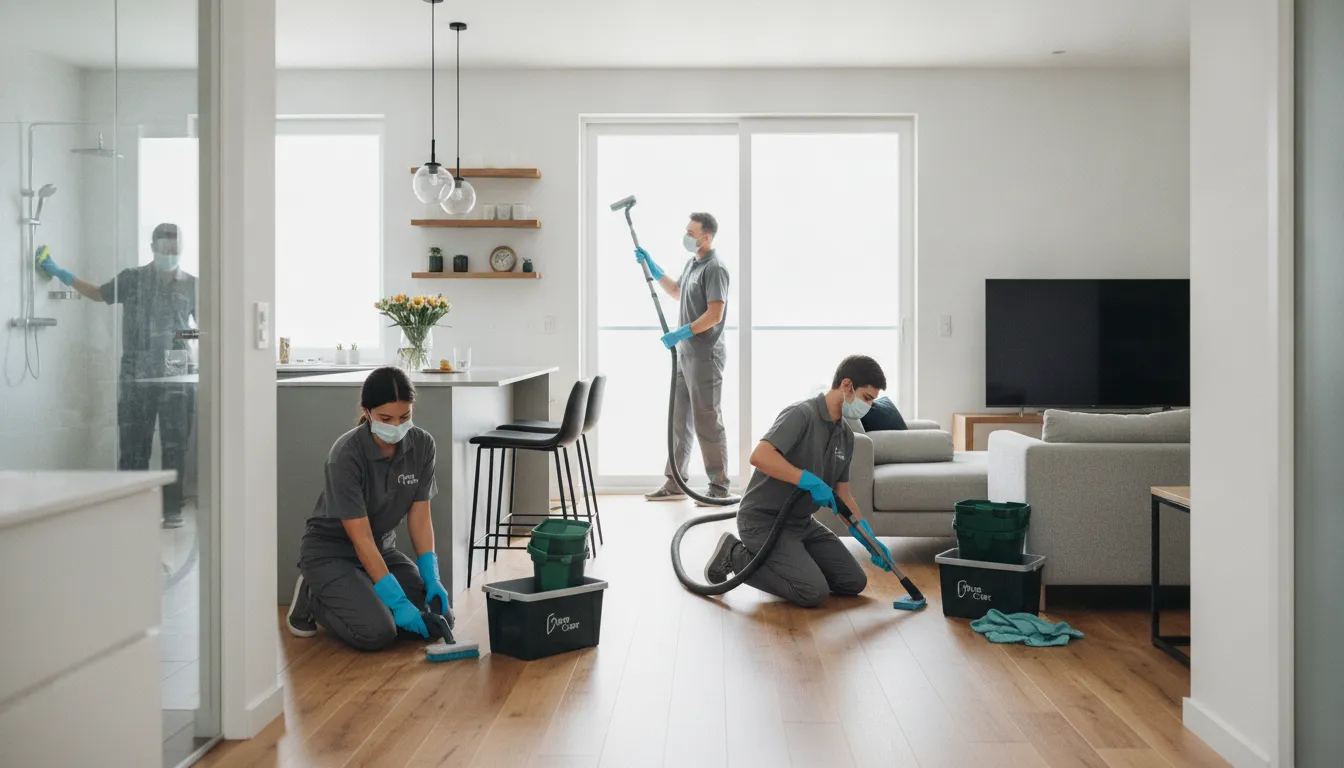
A property can look clean at first glance while still holding dust, residue, and buildup in less visible places. Moving reveals those areas quickly. Empty rooms expose dirty baseboards, marked walls, dusty vents, and debris beneath furniture. Kitchens may need detailed appliance cleaning, while bathrooms often require extra work around grout, fixtures, and shower doors. Deep house cleaning addresses these overlooked details before you hand over the keys or bring your belongings inside. A professional service can follow a clear room-by-room checklist, use suitable products for different surfaces, and complete the work while you focus on the practical demands of your move.
Key Takeaways
- Deep cleaning handles overlooked areas: Expect detailed care for baseboards, grout, window tracks, cabinet fronts, fixtures, and built-up kitchen or bathroom residue.
- Book at the right time: Consider this service before moving in, after moving out, following renovations, before guests arrive, or when routine cleaning no longer feels sufficient.
- Review the service before booking: Compare checklists, add-on costs, cleaner vetting, insurance, product options, arrival details, and the spotless guarantee to choose confidently.
Deep House Cleaning: What It Is and When to Book It
Deep house cleaning is a detailed service for homes that need more than routine dusting, vacuuming, and mopping. Cleaners spend extra time on areas where dirt, grease, dust, and buildup collect, including baseboards, grout, cabinet fronts, appliance interiors, window tracks, and hard-to-reach surfaces.
It is a practical choice when your home has not been professionally cleaned for several weeks, after a major life change, or before new occupants arrive. A professional team can work through the home systematically, using suitable products and equipment for each surface. With vetted, insured cleaners and online booking, you can arrange service without spending hours coordinating every detail.
Compare deep cleaning with decluttering, organizing, and repairs
Deep cleaning focuses on removing dirt, dust, stains, and buildup. It does not usually include deciding what to keep, arranging belongings, or fixing damaged parts of the home. Decluttering means removing unwanted items, while organizing means creating a practical place for the things you plan to keep. Repairs address problems such as cracked grout, broken cabinet hinges, damaged flooring, or leaking fixtures.
You may want to declutter before the cleaners arrive so they can reach more surfaces, but you do not need to make the home perfect first. A professional service can clean around everyday belongings and handle the actual cleaning work. If you are unsure what is included, review the company’s checklist and ask whether tasks such as decluttering and organizing are separate services.
Identify homes and situations that need a deep clean
A deep clean can help when dust and grime have accumulated or when routine cleaning no longer feels sufficient. It is often useful for homes that have not been cleaned for a month or longer, busy households, and properties affected by pets, cooking, smoking, or heavy foot traffic.
You may also schedule one before hosting guests, after an illness, or when returning to a home that has been closed for a while. Kitchens, bathrooms, carpets, and other frequently used areas can hold more residue than regular surface cleaning removes. If you feel embarrassed about your home’s condition, remember that experienced cleaners handle a wide range of situations. This guide to homes that need professional cleaning offers helpful examples.
Plan seasonal, allergy-sensitive, and post-renovation cleanups
Seasonal cleaning is a good opportunity to reach areas that are easy to overlook during weekly chores. Depending on the season, that may include ceiling fans, vents, window tracks, baseboards, and the spaces behind or beneath furniture. A detailed cleaning can also make your home feel more comfortable after pollen, dust, and tracked-in debris have accumulated.
If someone in your household has allergies or sensitivities, tell the cleaning company before the appointment. Ask which products the team uses and whether fragrance-free or lower-irritant options are available. After painting, flooring work, remodeling, or other renovations, arrange a post-construction cleaning rather than assuming a standard visit will remove every trace of fine dust. Share details about the work completed so the team can plan appropriately. Professional cleaning may support a cleaner, more comfortable living environment.
Schedule move-in, move-out, and rental turnover cleaning
Deep cleaning is especially useful during a move because an empty property gives cleaners better access to floors, cabinets, closets, appliances, and other areas that furniture normally blocks. A move-in clean prepares the home for your household, while a move-out clean helps leave the property presentable for the next occupants or a final inspection.
Landlords and property managers can also schedule cleaning between tenants. Rental turnover service may include kitchens, bathrooms, floors, interior windows, appliances, and high-touch surfaces, depending on the company’s checklist. Book as early as possible when working with a strict handover date, and confirm whether the service covers inside cabinets, refrigerators, ovens, and closets. Move-in and move-out cleaning can simplify the transition while you focus on packing, unpacking, keys, and inspections.
Correct common deep-cleaning misconceptions
One common misconception is that professional deep cleaning is only for large homes or high-income households. Pricing varies by home size, condition, location, and requested tasks, so ask for a clear estimate before deciding. Many people schedule a deep clean occasionally and maintain the results with a regular cleaning service.
You also do not need to clean the entire home before the cleaners arrive. Put away valuables, medications, important documents, and fragile items, but leave the dusting and scrubbing to the team. Clearing a few surfaces and floors can help cleaners work efficiently, yet extensive preparation is not expected. A reputable company should explain what you need to do and what its cleaners will handle. As this guide to hiring professional cleaners explains, you should not have to spend your time cleaning for the cleaners.
Deep House Cleaning vs. Standard Cleaning
The main difference between deep house cleaning and standard cleaning is the level of detail. Standard cleaning handles the everyday tasks that keep your home tidy, while deep cleaning gives extra attention to built-up dust, grime, grease, and overlooked surfaces.
Standard cleaning may include dusting, vacuuming, mopping, wiping counters, and cleaning bathroom fixtures. These tasks are usually repeated on a weekly, biweekly, or monthly schedule. Deep cleaning covers many of the same areas, but cleaners spend more time scrubbing, reaching difficult spots, and addressing areas that may not be included in a routine visit.
Neither service is automatically the right choice for every home. Standard cleaning can work well when your property already receives regular care. Deep cleaning may be more suitable if you are preparing for a move, taking over a home, welcoming guests, or arranging a first appointment after several weeks without professional cleaning.
The condition of your home matters more than the name of the service. A small apartment with heavy buildup may need more detailed work than a larger, well-maintained home. Before booking, ask for a room-by-room checklist, estimated appointment length, and a clear list of included services. This makes it easier to compare options and choose the right level of care.
Know what recurring standard cleaning covers
Standard cleaning focuses on routine tasks that maintain the home between visits. Depending on the company, a cleaner may dust accessible surfaces, vacuum carpets and rugs, mop hard floors, wipe kitchen counters, clean sinks, and remove everyday dirt from high-use areas. Bathrooms typically receive basic cleaning, including wiping mirrors, fixtures, and floors.
The goal is ongoing maintenance, not detailed scrubbing of every surface. Recurring service helps manage dust, crumbs, pet hair, and light surface buildup before it becomes harder to remove. MaidPro describes routine cleaning as a way to maintain a tidy home, which makes it a practical choice for households that want consistent support.
Standard cleaning may not include heavy buildup, interior appliance cleaning, detailed grout work, or every hard-to-reach area. Check the service checklist before booking, especially if you are preparing a property for sale, a move, or a rental handoff.
Target neglected areas with a deep clean
Deep cleaning targets dirt and grime that accumulate over several weeks or months. Along with routine tasks, cleaners may scrub baseboards, doors, trim, cabinet fronts, window tracks, ceiling fans, and other areas that are easy to miss during regular upkeep.
Kitchens and bathrooms often need the most detailed attention. Grease can collect on cabinet surfaces and range hoods, while soap residue and mineral deposits can build up around sinks, showers, and tubs. A deep cleaning appointment can also address dust on vents, light fixtures, and accessible high surfaces.
This service is useful when a home has not received professional cleaning for about a month or longer, or when certain areas need extra care before a big change. It can be a helpful first appointment before starting recurring service. A deep cleaning appointment may take three to four hours, depending on the home’s size, condition, and requested tasks.
Compare scope, detail, time, and frequency
Standard cleaning is usually faster because cleaners follow a regular list of maintenance tasks. Deep cleaning takes longer because it includes more detailed work, such as loosening buildup, scrubbing by hand, and cleaning surfaces that are not part of every routine visit.
The home’s condition affects the appointment as much as its square footage. Clutter, pet hair, grease, stains, and neglected bathrooms may require additional time. If you are booking cleaning before moving, ask whether the estimate includes inside cabinets, appliances, closets, and other areas that may be empty and accessible.
Frequency is another important difference. Standard cleaning is commonly scheduled weekly, every two weeks, or monthly. Deep cleaning is often a one-time service, followed by recurring appointments to maintain the results. Some households book deep cleaning seasonally, before hosting guests, or after renovation work.
When comparing services, review the checklist and estimated time instead of relying on labels alone. Two companies may use the term “deep cleaning” while offering different scopes of work.
Choose routine cleaning when it fits
Recurring standard cleaning is a good choice when your home is generally maintained and you want help keeping it that way. It can reduce the time you spend dusting, vacuuming, mopping, and cleaning bathrooms, especially during busy periods or while preparing for a move.
Routine service may also be the right option after a deep cleaning appointment has removed built-up dirt. Regular visits help prevent dust, crumbs, pet hair, and light grime from collecting again. Weekly service may suit homes with children, pets, frequent visitors, or high daily activity. Biweekly or monthly service may work well for smaller households that need less frequent support.
If you are unsure which option to select, describe the property’s condition and your priorities to the cleaning company. Mention how long it has been since the last professional cleaning, whether the home is furnished, and whether you need move-in or move-out service. Recurring cleaning can be arranged on weekly, biweekly, or monthly schedules, allowing you to choose a frequency that fits your home and budget.
Add services that need extra time, products, or equipment
Some tasks require more time, specialized products, or dedicated equipment, so they may be offered as add-ons rather than included in a standard visit. Common examples include cleaning the inside of an oven or refrigerator, washing interior windows, deep-cleaning carpets, and treating heavily soiled areas.
These additions can be useful during move-in and move-out cleaning. An empty home gives cleaners better access to cabinets, appliances, closets, floors, and baseboards. You may choose refrigerator cleaning before moving in, oven cleaning before handing over a rental, or carpet cleaning when pets have left behind hair and odors.
Ask whether the company supplies the equipment and cleaning products, and confirm whether each task has an additional fee. Some services include these options in a larger package, while others price them separately. Deep-cleaning packages may list oven, refrigerator, and carpet cleaning as optional services. Confirm the scope before the appointment so you know exactly what the cleaners will handle.
What a Deep House Cleaning Service Includes
A deep house cleaning service reaches the areas that routine cleaning often leaves behind. Instead of focusing only on visible dirt, cleaners work through built-up dust, grime, soap residue, fingerprints, and debris across the home. The exact checklist varies by company, so review the scope before you book.
Most deep cleaning appointments cover living areas, bedrooms, kitchens, bathrooms, floors, and accessible fixtures. Some companies also offer add-ons, such as inside-appliance cleaning, cabinet interiors, blinds, or window tracks. Sharing your priorities in advance helps the cleaning team plan the right amount of time and bring suitable products and equipment.
A professional service should also explain its process clearly, including what cleaners can safely move, which surfaces they treat, and what falls outside the standard package. If you book with a company that provides vetted and insured cleaners, ask how it handles special requests and follow-up concerns before the appointment.
Dust the whole home, remove cobwebs, and clean surfaces
Cleaners often begin with higher surfaces and work downward, preventing dust from settling on areas they have already cleaned. This may include ceiling corners, vents, door frames, shelves, furniture, picture frames, and other accessible surfaces.
They can also remove cobwebs from corners, stairwells, ceilings, and behind furniture when those areas are reachable. Microfiber cloths, dusters, and vacuum attachments help cleaners work across different materials without spreading dust around.
A deep cleaning checklist may include cobweb removal and detailed dusting of doors and door frames. Fragile decorations, delicate surfaces, and areas that require unsafe ladder work may need special arrangements.
Clean kitchen counters, sinks, cabinets, and appliances
Kitchen cleaning usually includes wiping counters, backsplashes, sinks, faucets, cabinet fronts, and appliance exteriors. Cleaners remove food residue, grease, fingerprints, and buildup from surfaces that receive frequent use. They may also clean around sink edges, handles, and small appliances when those areas are accessible.
A deep kitchen clean may include the stovetop, range hood exterior, microwave interior, and floors beneath movable items. Cabinet interiors and major appliance interiors are often separate services, however. Deep kitchen cleaning services commonly list oven, refrigerator, and cabinet interior cleaning as optional add-ons, so confirm what your booking includes.
Scrub bathroom fixtures, grout, floors, and high-touch surfaces
Bathrooms need detailed attention because moisture, soap, and mineral residue collect around fixtures and in corners. A deep clean may include toilets, showers, bathtubs, sinks, faucets, mirrors, shower doors, floors, drains, and grout lines.
Cleaners should also wipe high-touch surfaces, including door handles, light switches, cabinet pulls, and faucet handles. These details can make the room feel fresher and more hygienic.
As KC Deep Clean explains, deep cleaning targets grime that builds up over weeks or months and follows a top-to-bottom process. Tell the company about hard-water stains, heavy soap residue, or grout concerns when requesting an estimate, as these conditions may require extra time or specialized treatment.
Clean bedrooms, living areas, hallways, and entryways
A whole-home deep clean includes more than kitchens and bathrooms. In bedrooms, cleaners may dust furniture, wipe reachable surfaces, clean mirrors, vacuum floors, and remove cobwebs from corners. They may clean around bed frames and other furniture when the items can be moved safely.
Living rooms, hallways, and entryways receive similar attention. Cleaners typically dust shelves, tables, baseboards, doors, and trim before vacuuming or mopping the floors. Entryways may need extra care because they collect outdoor dirt, salt, and debris.
Share priority areas before the appointment, especially rooms with heavy foot traffic, pets, or accumulated dust. If a room contains fragile items or furniture that should not be moved, point those out before cleaning begins.
Wash floors, baseboards, doors, trim, and accessible high areas
Deep cleaning gives floors and architectural details more attention than a typical recurring visit. Depending on the material, cleaners may vacuum, sweep, mop, or spot-clean hardwood, tile, laminate, vinyl, and other flooring. They can also wipe baseboards, doors, trim, frames, and fingerprints around handles.
Accessible high areas may include the tops of doors, reachable shelves, vents, and cabinet exteriors. Cleaners generally avoid standing on unstable furniture or attempting unsafe ladder work without prior approval.
Ask about high windows, tall ceilings, and delicate flooring when requesting a quote. Top-to-bottom cleaning helps keep dust from falling onto freshly cleaned surfaces, while proper equipment and product selection help protect the materials in your home.
Clean ceiling fans, light fixtures, and window tracks
Ceiling fans, light fixtures, and window tracks are easy to overlook during routine cleaning. Fan blades can collect dust that spreads through a room when the fan runs. Cleaners may dust or wipe accessible blades, fixture surfaces, and surrounding areas while taking care around electrical components.
Window tracks can collect dirt, dead insects, and moisture residue. A deep clean may include vacuuming and wiping tracks, frames, and nearby sills. The work depends on accessibility and the condition of the windows.
Mention these areas when requesting an estimate so the company can confirm whether they are included. Exterior windows, very high glass, and delicate fixtures may require a separate service or specialized equipment.
Clean oven and refrigerator interiors, drawers, and cabinets
Interior appliance cleaning is commonly offered as an add-on. Oven cleaning may include removing loose debris, wiping racks, and cleaning interior surfaces with products appropriate for the appliance. Refrigerator cleaning may cover shelves, drawers, door seals, and interior walls after food has been removed.
Cabinet interiors and drawers can also be cleaned when they are empty and accessible. This service is especially helpful before moving into a home, after a renovation, or when preparing a rental property for its next occupant.
These tasks take additional time, so they may not be part of a standard deep clean. Pristine Cleaning Service lists oven, refrigerator, and cabinet interior cleaning as optional services, which makes it important to confirm the details before booking.
Review exclusions and choose add-ons
No two cleaning companies use the same checklist, so review the exclusions before your appointment. Common exclusions may include exterior windows, carpet shampooing, heavy lifting, mold remediation, pest-related cleanup, biohazard materials, and areas that require unsafe ladder work.
A company may also charge separately for excessive clutter, heavy grease, or unusually difficult buildup. Ask whether the service offers add-ons such as inside ovens and refrigerators, cabinet interiors, blinds, laundry appliances, wall washing, pet-hair treatment, or inside-window cleaning.
Customizable professional cleaning services let you focus the appointment on your home’s specific needs. Share your priorities, product preferences, allergies, and surfaces of concern before the cleaners arrive so the team can prepare properly.
How Long Does Deep House Cleaning Take?
A deep house cleaning usually takes between two and eight hours, depending on the property’s size, condition, and cleaning checklist. The number of cleaners, the number of rooms, and the amount of built-up dirt also affect the schedule. A small apartment may be finished in one visit, while a larger home with several bathrooms, pets, or neglected areas may require most of a day.
These estimates are useful for planning, but they are not fixed guarantees. A cleaning company should review your home’s size, priorities, and condition before confirming an arrival window. Thumbtack’s deep cleaning guidance also identifies the service type, number of rooms, supplies, and number of cleaners as factors that can affect the total time.
Before booking, ask whether the estimate includes the entire property or only selected rooms. It is also helpful to confirm whether the service covers interior appliances, cabinets, window tracks, baseboards, and other detailed tasks. Sharing clear information upfront helps the team schedule enough time and arrive with suitable products and equipment.
Small apartments and homes: 2 to 4 hours
A small apartment, condo, or home often takes about two to four hours for a deep clean. A property that receives regular upkeep may fall toward the shorter end of that range, especially when the service focuses on the kitchen, bathrooms, living areas, and bedrooms.
The appointment may take longer if you request inside-cabinet cleaning, oven or refrigerator cleaning, detailed grout care, window tracks, baseboards, or hard-to-reach areas. Clutter can also slow the process because cleaners need clear access to floors, counters, and fixtures. Set aside personal belongings before the appointment, and tell the company which rooms or tasks matter most. This makes the estimate more useful and helps prevent rushed work.
Medium homes: 4 to 6 hours
A medium-sized home commonly takes four to six hours for a detailed deep clean. This may include several bedrooms and bathrooms, a kitchen, living areas, hallways, entryways, and standard floor care. Cleaners may also spend extra time on surfaces that receive less attention during recurring visits, including doors, trim, ceiling fans, light fixtures, and baseboards.
The home’s condition matters as much as its size. Light dust in a well-maintained property may fit within the shorter estimate. Grease around the stovetop, soap buildup in bathrooms, pet hair, or dust on high surfaces can add time. Provide a room-by-room overview when requesting a quote, particularly if you need appliance interiors or cabinets cleaned. A clear checklist helps the company assign the right number of cleaners and supplies.
Large or heavily soiled homes: 6 to 8 hours or more
Large homes and properties with substantial grime may take six to eight hours or more. This is common when the service includes several bathrooms, a large kitchen, multiple bedrooms, detailed floor care, and interior appliance cleaning. A home that has not received a thorough cleaning for a long time may need extra passes to remove grease, dust, soap residue, and stains.
A company may recommend dividing the work across two appointments when the property needs extensive attention. This can produce more consistent results than asking one team to complete a long checklist in a single rushed visit. Mya Cleaning Services explains why move-in and move-out cleaning may require additional time, particularly when cleaners must prepare every accessible surface for a new resident.
Account for clutter, buildup, pets, and home condition
Clutter does not make your home unsuitable for professional cleaning, but it can affect the timeline. Cleaners work more efficiently when they can reach floors, counters, furniture, and fixtures without moving large quantities of personal belongings. Put away documents, clothing, toys, and other items before the appointment. Also identify anything the cleaners should not move or clean.
Pet hair, litter, dander, grease, hard-water marks, and soap scum may require additional time or specialized products. Existing damage, delicate materials, and heavy stains can also change the cleaning method. Share these details in advance, along with information about allergies, pets, and product preferences. The Maids of the Triad recommends discussing your home’s condition with the cleaning service so the team can prepare and work safely.
Compare one cleaner with a professional team
The number of cleaners changes how long the team stays at your property. One cleaner may need most of a day to complete work that two or three professionals can finish in a few hours. A team can work in separate rooms at the same time, which may be useful when you have a narrow schedule or need the property ready for new occupants.
Ask whether the quoted time means the length of the visit or the total labor hours. For example, three cleaners working for two hours provide six labor hours, even though the appointment lasts only two hours. Confirm who will complete the work, whether the team brings its own supplies and equipment, and whether someone will review the finished rooms before leaving. These details make it easier to compare estimates from different companies.
Allow more time for move-in and move-out cleaning
Move-in and move-out cleaning often takes longer than a routine deep clean because every accessible area may need attention. Vacant rooms make it easier to reach floors, closets, cabinets, baseboards, and appliances, but they also expose surfaces that might normally be hidden by furniture. Kitchens and bathrooms usually require detailed work, while ovens, refrigerators, drawers, and cabinets can add extra time.
As a starting point, plan for about three to four hours for a small vacant apartment, four to six hours for a medium property, and six to eight hours or more for a large or heavily soiled home. If you have a lease deadline, closing date, or new tenant arrival, book early. Provide the property’s size, condition, access instructions, and required checklist so the cleaning company can plan the appointment properly.
How Much Does Deep House Cleaning Cost?
Deep house cleaning typically costs more than recurring standard cleaning because it covers more surfaces, takes longer, and may require specialty products or equipment. Your final price depends on the home’s size, number of bedrooms and bathrooms, condition, location, access, and the services you select.
Many cleaning companies charge by the hour, while others use flat-rate or room-based pricing. According to Thumbtack’s deep cleaning cost guide, house cleaning generally costs about $25 to $50 per cleaner per hour. Treat this as a starting point rather than a fixed quote. A small, well-maintained apartment may cost less than a larger home with heavy grease, pet hair, clutter, or several bathrooms.
When comparing estimates, focus on the work included rather than the price alone. Ask whether supplies, equipment, appliance interiors, baseboards, and follow-up support are included. A detailed estimate helps you compare services fairly and plan for your move without unexpected charges.
Expect $25 to $50 per cleaner per hour
The national average for house cleaning is about $25 to $50 per cleaner per hour. For example, two cleaners working for three hours at $35 per hour would result in an estimated labor cost of $210, before fees or add-ons.
Hourly pricing can suit homes whose cleaning needs are difficult to assess before the appointment. The team can spend more time on areas that need additional care. Before booking, ask about minimum service times and what happens if the work takes longer than expected.
The number of cleaners affects the total cost. A team may finish faster than one cleaner, but the hourly rate applies to each person. Ask for both the hourly rate and estimated service duration so you can create a more accurate budget.
Compare hourly, flat-rate, and room-based pricing
Cleaning companies commonly use three pricing methods:
- Hourly pricing: You pay for the time cleaners spend in your home. - Flat-rate pricing: You pay one price for a defined list of tasks. - Room-based pricing: The price reflects the number or type of rooms cleaned.
Hourly pricing works well when the home’s condition is uncertain. Flat-rate pricing gives you a clearer total, as long as the scope is detailed. Room-based pricing is easy to understand, though the price may still change based on room size, buildup, or special requests.
Some companies also charge by square foot. Thumbtack reports that this approach may cost around five cents per square foot, with a minimum charge of about $100. One-time and first-time appointments may cost more than recurring visits because they often involve more accumulated dirt and dust.
Consider home size, condition, location, and access
Home size is one of the main factors in a deep cleaning estimate. A studio apartment usually takes less time than a four-bedroom house, but square footage is only part of the calculation. The number of bathrooms, kitchen size, floor type, furniture, and storage areas can also affect the workload.
The home’s condition matters, too. Grease, soap scum, pet hair, stains, and built-up dust take additional time to remove. Clutter may slow the service because cleaners need to work around personal belongings or wait for surfaces to be cleared.
Location and access can affect the price as well. Long travel distances, difficult parking, stairs, gated entry, and limited access to water or electricity may require extra planning. Share these details when requesting a quote so the company can assign enough time and the appropriate number of cleaners.
Account for add-ons, supplies, equipment, travel, and special requests
A deep cleaning estimate may not include every task you want completed. Common add-ons include oven cleaning, refrigerator cleaning, cabinet interiors, dishwashing, carpet cleaning, window cleaning, and furniture cleaning. Review this deep cleaning service list to see examples of tasks that may carry an additional charge.
Ask whether cleaning products, vacuums, ladders, and other equipment are included. Some companies provide all supplies, while others charge extra for specialty products or equipment. Mention any preference for fragrance-free, pet-safe, or environmentally conscious products before booking.
Special requests can also change the price. These may include cleaning delicate surfaces, removing heavy buildup, managing extensive pet hair, or working around sensitive materials. Travel fees, parking costs, and short-notice appointments may apply. An itemized estimate will show which services are included and which are optional.
Review move-in and move-out cleaning prices
Move-in and move-out cleaning may cost more than a standard deep clean because cleaners can be expected to clean empty cabinets, closets, appliances, baseboards, doors, and floors. Vacant rooms provide easier access, but the property may still need significant work after months or years of use.
These services prepare a property before a new resident arrives or after a previous resident leaves. Move-in and move-out cleaning can help renters meet lease expectations and help homeowners prepare a property for sale or handover.
Ask whether the company offers a vacant-property rate or a package designed for rentals. Confirm if the oven, refrigerator, cabinets, closets, and windows are included. If the cleaning must be completed before an inspection, lease deadline, closing, or moving date, share that information when requesting a quote.
Check what a transparent estimate includes
A transparent estimate should list the rooms, surfaces, and tasks included in the service. It should also state the number of cleaners, estimated duration, total price or hourly rate, minimum booking time, and any possible fees.
Ask whether the cleaning company carries public liability insurance and how it handles accidental damage. These questions about insurance and damage claims can help you understand your protection before the team arrives.
Review the cancellation policy, payment terms, arrival window, and rescheduling rules, too. If the company offers a spotless guarantee, ask what it covers and how to request a touch-up. A written estimate gives you a clear reference if the completed service does not match the agreed scope.
Compare quotes by scope, not price alone
The lowest estimate is not always the best value. One company may charge less because it cleans fewer surfaces, excludes appliances, or allows less time for the appointment. Another may charge more while including detailed kitchen and bathroom cleaning, supplies, and follow-up support.
Compare quotes line by line. Check whether each one includes baseboards, doors, light fixtures, window tracks, cabinet interiors, and high-touch areas. Confirm whether cleaners will move light items and which surfaces or tasks are excluded.
Reviews can help you assess the quality behind the price. Look for specific comments about reliability, thoroughness in kitchens and bathrooms, and care around delicate surfaces, as recommended in this cleaning service review guide. A detailed scope, vetted and insured cleaners, convenient online booking, and a clear spotless guarantee can make a slightly higher quote worthwhile.
Why Hire a Professional Deep Cleaning Service?
A deep clean takes more than vacuuming visible floors and wiping the surfaces you use every day. It involves working through the home systematically, removing built-up dirt, and giving extra attention to areas that are easy to overlook. That may include baseboards, window tracks, cabinet fronts, light fixtures, grout, and the inside of selected appliances.
This level of cleaning can be difficult to fit around work, family responsibilities, packing, or a move. A professional service handles the detailed work while you focus on preparing your next home, managing a rental handover, or getting settled after moving. Many companies offer different service levels, so you can choose an option that matches your property, priorities, and budget. As Phoenix Cleaning explains, professional cleaning can be a practical choice when you consider the time and physical effort it saves.
Before booking, ask for a room-by-room checklist. Confirm which tasks are included, which require an add-on, and whether the company offers a spotless guarantee if something needs additional attention.
Save time and physical effort
Deep cleaning can take several hours, especially in a large home or one with pet hair, clutter, or stubborn buildup. The work may include scrubbing grout, washing baseboards, cleaning appliances, and reaching high surfaces. Doing everything yourself can leave you tired before the rest of your moving or household tasks are complete.
A professional team takes care of the most demanding parts of the job. You can use that time to pack boxes, arrange utilities, coordinate a rental inspection, or rest between moving tasks. Professional help can be especially useful when a property needs to be ready by a specific date.
Get thorough, consistent results
Professional cleaners typically follow a structured checklist instead of cleaning only the areas that are easiest to see. They can work through each room in order, paying attention to details such as door frames, light fixtures, window tracks, cabinet fronts, and accessible spaces beneath furniture.
A consistent process also makes it easier to set clear expectations. Before the appointment, identify priority areas such as bathrooms, kitchen appliances, floors, or high-touch surfaces. You can then ask the company to confirm how those tasks fit within the selected package. Cleaning services may offer different options at different price points, helping you choose the right scope.
Use professional tools, methods, and products
Professional cleaners bring tools suited to detailed household work, including microfiber cloths, detail brushes, vacuum attachments, floor equipment, and products made for specific materials. Using the right method can help remove dirt while reducing the risk of scratching, staining, or dulling surfaces.
Tell the company about natural stone, finished wood, specialty flooring, or delicate paintwork before service begins. You can also ask about fragrance-free or environmentally conscious options, particularly if children, pets, or allergy-sensitive residents live in the home. Some providers use non-toxic, biodegradable products that can still handle everyday dirt and bacteria, as Apples Cleaning Services explains.
Remove accumulated dust, grime, and buildup
Routine cleaning helps control everyday mess, but dirt can continue to collect in less visible areas. Dust may settle on ceiling fans and vents, soap residue can harden around bathroom fixtures, and grease can build up on cabinet doors, backsplashes, and areas around kitchen appliances.
A deep cleaning service gives these neglected spots the time and attention they need. Depending on the provider, the work may include detailed bathroom sanitation, carpet cleaning, post-renovation cleaning, or move-in and move-out cleaning. This makes it a useful option when preparing a home for new occupants or handing a rental back to its owner.
Protect pets, allergy-sensitive residents, and delicate surfaces
Cleaning products should suit the people, pets, and materials in your home. If someone is sensitive to fragrances or cleaning chemicals, mention it when you book. The company may be able to recommend lower-fragrance products or adjust its cleaning approach.
Surface care matters, too. Natural stone, wood, specialty flooring, and painted finishes may require specific products and gentler techniques. Ask what the cleaners plan to use and whether they offer lower-chemical options. Some products avoid ingredients such as bleach, ammonia, and phosphates, which may be preferable for households concerned about pets or indoor air quality. You should also feel comfortable sharing the condition of your home, without worrying about judgment, as MaidPro’s cleaning guide points out.
Choose vetted, insured cleaners with reliable support
A cleaning team works inside your home, so trust and accountability are important. Look for a company that vets its cleaners, explains who will arrive, and carries suitable insurance. Public liability coverage can provide reassurance if accidental damage or an injury occurs during the appointment.
Before booking, ask how the company handles missed tasks, damaged items, complaints, schedule changes, and replacement cleaners. Check reviews for comments about punctuality, communication, and completed work. It is also worth asking whether the same team can help with recurring service after the deep clean. These questions about cleaning service insurance can help you assess a provider before inviting its cleaners into your home.
Get added reassurance with a spotless guarantee
A spotless guarantee gives you a clear process for requesting follow-up care if the service does not meet the agreed standard. Before booking, confirm what the guarantee covers, how quickly you must report an issue, and whether touch-ups are included at no additional cost.
The guarantee is most useful when it is supported by responsive customer service and a detailed checklist. After the cleaners finish, walk through the home and compare the results with the agreed scope. If a task was missed, contact the company promptly with the room and task details. This extra reassurance can make professional deep cleaning a practical choice before a move, after renovations, or during rental turnover.
How to Choose the Right Deep House Cleaning Service
Choosing a deep house cleaning service involves more than comparing the lowest quote. The right company should explain exactly what the service includes, treat your home carefully, and make booking straightforward. Before you choose, compare each provider’s cleaning checklist, team standards, pricing, communication, and service policies.
Your household needs should guide the decision, too. You may need fragrance-free products, pet-safe cleaning, extra attention to allergy-sensitive areas, flexible appointment times, or a detailed move-in or move-out clean. Asking the right questions before booking helps you find a service that fits your home and avoids surprises on cleaning day.
Confirm the room-by-room checklist and exclusions
Ask for a detailed checklist before you book. It should explain what cleaners handle in each room, such as cabinet fronts, appliance surfaces, bathroom grout, baseboards, doors, trim, and accessible high areas. A specific checklist makes it easier to compare providers that use the same “deep cleaning” label but offer different levels of detail.
Review the exclusions as carefully as the included tasks. Interior windows, wall washing, oven interiors, refrigerator interiors, exterior areas, and heavy stain removal may cost extra or require special arrangements. If you only need certain rooms cleaned, ask whether the company can customize the appointment. Many providers tailor their services to a customer’s priorities, as Phoenix Cleaning explains.
Check reviews, cleaner vetting, insurance, and experience
Read recent reviews on more than one platform, focusing on comments about punctuality, thoroughness, communication, and problem-solving. Detailed feedback often gives you more useful information than a collection of short ratings. Look for reviews from customers with similar needs, such as homes with pets, children, delicate surfaces, or a move-out deadline.
Ask how cleaners are selected, trained, and supervised. You should also confirm that the company carries suitable insurance and has a clear process for reporting damage. As Rozie recommends, ask who is responsible if a belonging, fixture, or surface is damaged during the visit. An experienced, insured team should be able to answer this question clearly.
Ask about products, green options, pets, and allergies
Cleaning products matter when children, pets, or allergy-sensitive residents live in the home. Ask which products the company usually uses and whether cleaners can avoid fragrances, bleach, or other ingredients that may cause irritation. It is also worth asking how products are chosen for stone, wood, stainless steel, upholstery, and other delicate materials.
Many cleaning companies offer options with less harsh ingredients. Apples Cleaning Services notes that some providers use non-toxic, biodegradable products. Tell the company about pets, asthma, allergies, and sensitive surfaces before the appointment. Ask whether pets should stay in another room and whether you need to ventilate the home afterward.
Compare pricing, minimums, cancellation terms, and damage policies
Request a written estimate that lists the price, expected cleaning time, number of cleaners, supplies, and optional services. Some companies charge by the hour, while others use a flat rate based on the home’s size, condition, and selected tasks. Either model can work well when the scope is specific and easy to understand.
Check for minimum booking times, travel charges, weekend fees, and additional costs for ovens, refrigerators, interior windows, or heavy buildup. Review the cancellation and rescheduling policy before confirming the appointment. You should also ask how the company handles accidental damage, missed tasks, and refunds or credits. Custom packages can suit different budgets, as Five Star House Cleaning explains.
Look for flexible scheduling, online booking, and responsive support
A convenient booking process helps when you are preparing for guests, moving between homes, or managing a busy household. Look for a company that offers online booking, clear arrival windows, and appointment reminders. You should be able to review the service details before confirming the visit or submitting payment.
Notice how quickly and clearly the company answers your questions. Can you update the room list, add instructions, or contact someone if your plans change? Responsive support matters before, during, and after the appointment. A professional service should make it easy to arrange entry, share priorities, and get help if something does not go as planned. Booking guidance from providers such as The Maids of the Triad also highlights the everyday convenience of hiring the right cleaning team.
Confirm the spotless guarantee and touch-up process
A spotless guarantee can provide extra reassurance, but ask what it actually covers. Find out how long you have to report an issue, which tasks qualify for a touch-up, and whether the team will return to correct missed areas at no additional charge. A detailed policy is more useful than a general promise of satisfaction.
Before the cleaners leave, compare the finished work with the agreed checklist. Point out missed areas while the team is still there, if possible. If you notice an issue later, follow the company’s reporting process and provide specific details or photos. A fair touch-up policy shows that the company stands behind its work and gives you a clear way to resolve concerns.
Avoid vague scopes, hidden fees, and unclear terms
Be cautious if a company will not provide a room-by-room checklist, written estimate, or explanation of its policies. “Whole-home deep clean” can mean something different to every provider. Without specific terms, you may expect appliance interiors, baseboards, or windows that the cleaners do not include.
Ask direct questions before booking: What is included? What costs extra? How many cleaners will arrive? What happens if the home takes longer than expected? Can you reschedule? Who should you contact about damage or a missed task? A trustworthy company should answer clearly and put the important details in writing. Transparent terms help you compare services fairly and avoid unexpected charges. They also make it easier to choose professional, insured cleaners who can deliver the thorough care your home needs.
How to Prepare Your Home for Deep House Cleaning
A little preparation helps a cleaning team work efficiently and focus on the areas that need the most attention. You do not need to scrub, dust, or tidy the entire home before the appointment. Professional cleaners are there to handle those tasks. Your main job is to clear access, secure personal belongings, and share information that helps the team work safely.
Start by deciding which areas matter most. You may want extra attention on kitchen grease, bathroom buildup, pet hair, baseboards, or dust left after a renovation. Tell the service about those priorities when you book or during the arrival walkthrough. If the appointment has a set time limit, this information helps the team spend their time where it will have the greatest effect.
It is also helpful to check the service’s cleaning checklist before the appointment. Some companies include tasks such as appliance interiors, cabinets, window tracks, and high surfaces, while others offer them as add-ons. Confirming the scope in advance helps you prepare the right areas and prevents confusion about what the team will clean.
These steps are particularly useful for move-in and move-out appointments. A property without furniture or personal belongings gives cleaners better access to floors, baseboards, cabinets, closets, and other commonly missed areas. Clear communication also helps protect your belongings and makes the appointment more straightforward for everyone.
Clear floors, counters, and surfaces without cleaning first
Pick up clothing, toys, shoes, dishes, paperwork, and other loose items from floors and surfaces so cleaners can reach the areas underneath. You do not need to clean those areas first. The cleaning team is there to remove dust, grime, and buildup, not to judge the condition of your home.
Place everyday items in baskets, drawers, or a temporary holding area. If you are unsure whether something should be moved, leave it in place and mention it during the walkthrough. Professional cleaning teams can often work around normal household clutter, but clear surfaces give cleaners more time to focus on detailed work rather than moving personal belongings.
Secure valuables, documents, medications, and fragile items
Store jewelry, cash, important documents, medications, small electronics, and fragile keepsakes somewhere secure before the appointment. This includes items on bedside tables, bathroom counters, kitchen islands, open shelves, and desks. Cleaning involves moving supplies and wiping around objects, so putting away delicate belongings helps reduce the chance of accidental damage.
Protect private information too. Place passports, financial paperwork, medical records, and work documents in a drawer, locked cabinet, or room that is not part of the service. If a fragile item cannot be moved, point it out before cleaning begins. Securing valuables and sensitive belongings gives you peace of mind and helps the team identify areas that need extra care.
Arrange care for pets and children
If possible, arrange for children to spend the appointment with a family member, sitter, or at an activity outside the home. Keep pets in a separate room, secured area, or off-site location, particularly if they become anxious around unfamiliar people or tend to get underfoot.
Check that cats and dogs cannot escape through open doors, gates, or garages. Tell the service about feeding areas, litter boxes, pet beds, and rooms that should remain closed. Keeping children and pets away from active work areas helps protect them from wet floors, cleaning products, and equipment. It also allows cleaners to work without repeated interruptions, as The Maids of the Triad explains.
Provide parking, entry instructions, utilities, and alarm details
Send arrival instructions before the appointment. Include the best place to park, which entrance to use, how to access the property, and whether the team should call or text when they arrive. For an apartment or gated community, share building access instructions, parking rules, elevator details, and concierge requirements.
Make sure the team can use the water, electricity, and lights they need. If your home has an alarm, provide access instructions through a secure method and explain how to disarm and reset it. Mention locked rooms, gates, garages, security cameras, and any access restrictions. Clear entry instructions help prevent delays and allow the appointment to begin on time.
Share priorities, allergies, existing damage, and product preferences
Tell the cleaning service which areas deserve the most attention. You may want the team to focus on kitchen grease, bathroom grout, pet hair, baseboards, or dust after a renovation. Sharing your priorities helps cleaners organize their work, especially when the appointment has a fixed time limit.
Mention allergies, asthma, sensitivities, and product preferences before cleaning starts. Ask whether the service offers fragrance-free or plant-based products if those options matter to you. Point out existing scratches, stains, chipped paint, loose fixtures, or damaged surfaces as well. Discussing products and existing damage helps the team choose suitable methods and prevents confusion about marks that were already present.
Make cabinets, appliances, and hard-to-reach areas accessible
If you want cabinets, drawers, closets, appliances, or other enclosed spaces cleaned, remove their contents first unless your service includes this task. Take out food, dishes, clothing, and personal items from the areas you want the team to clean. This gives cleaners enough room to wipe shelves, corners, doors, and handles.
Clear safe access around large appliances, utility areas, staircases, and tall furniture. Do not move heavy objects if doing so could cause an injury or damage your home. Ask whether interior appliance cleaning, high surfaces, and other hard-to-reach areas are included in your booking. Accessible spaces make it easier for the team to complete a thorough deep cleaning without unnecessary delays.
Prepare vacant properties for move-in or move-out cleaning
For a vacant property, remove personal belongings, rubbish, leftover moving materials, and anything you plan to keep. Furniture and boxes can block floors, baseboards, walls, cabinets, closets, and corners, so clearing the space gives cleaners better access. If you are moving out, finish removing your belongings before the appointment whenever possible.
Confirm that water and electricity are active, then provide details about keys, lockboxes, parking, building rules, and property access. Ask what the move-in or move-out service includes, since providers differ. Some clean appliance interiors, cabinets, bathrooms, floors, and accumulated dust, while others list those tasks as add-ons. Preparing a vacant property helps the team work through each room efficiently.
Separate items the cleaners should not move or clean
Set aside belongings that should remain untouched, such as heirlooms, delicate artwork, personal papers, specialty equipment, pet supplies, or items awaiting repair. Place them in a clearly marked room, cabinet, container, or designated area. You can also leave a note identifying surfaces or rooms that are off-limits.
Tell the team about anything that requires specialist care, including valuable rugs, antique furniture, unsealed stone, or delicate finishes. Do not assume cleaners will know which items to avoid. A quick explanation at the start of the appointment helps prevent confusion and keeps your belongings where you want them. If an item cannot be moved, mark it clearly and explain what should happen around it.
What to Expect Before, During, and After Service
A professional deep cleaning service should feel clear from the moment you book until the final walkthrough. Before the appointment, you should know which rooms and tasks are included, what the service costs, when the cleaners will arrive, and how the company handles special requests. Clear details make it easier to prepare your home and avoid surprises.
You do not need to clean the property before the team arrives. Instead, focus on sharing helpful information, securing personal belongings, and identifying areas that need extra attention. If you are preparing a home for sale, moving into a new property, or arranging a move-out clean, mention that when you book. The company may recommend a different checklist or allow extra time for the work.
During the appointment, cleaners generally follow a room-by-room process based on the agreed scope. Afterward, take a few minutes to review the results, ask for any included touch-ups, and confirm how to request follow-up support. A reliable cleaning company should make each step easy to understand.
Book online and confirm the scope, price, and arrival window
Choose a service that matches your home and your priorities. A full deep clean may cover the entire property, while move-in, move-out, post-renovation, or targeted cleaning may use a different checklist. Many professional companies offer service options at different price points, so you can select the level of help that fits your budget. Compare common cleaning service options if you are unsure which service to book.
Confirm the number of bedrooms and bathrooms, approximate square footage, home condition, included supplies, pricing method, and arrival window. Ask about charges for pets, heavy buildup, stairs, parking, or special equipment. Save your booking confirmation so you can review the agreed scope before service begins.
Complete a pre-cleaning walkthrough with the team
If you are home when the cleaners arrive, walk through the property with them. Point out rooms that need extra attention, delicate materials, existing damage, allergies, pets, and items the team should avoid moving. This short conversation helps the cleaners understand your priorities before they begin.
Mention specific concerns such as kitchen grease, bathroom grout, baseboards, ceiling fans, or areas affected by recent moving activity. You can also use customer feedback to assess how well a company follows instructions. Look for reviews that mention reliability, detailed kitchen and bathroom work, care with delicate surfaces, and completion of the agreed scope. Learn what to look for in cleaning service reviews before selecting a provider.
Understand what happens while the cleaners work
After the walkthrough, the team will usually work through the home using a planned checklist. Depending on your service, this may include dusting, removing cobwebs, wiping surfaces, scrubbing bathrooms, cleaning kitchen areas, washing floors, and reaching accessible high areas.
You can stay home, work in another room, or leave if the company offers a secure entry process. You do not need to supervise every task, and you do not need to clean before the appointment. As Fiv5 Star House Cleaning explains, clearing some clutter can give cleaners better access, but the team is there to handle the cleaning itself.
Keep children and pets away from active work areas, particularly while products or equipment are in use. Share fragrance-free product preferences or other household requirements before the service starts.
Review completed and excluded tasks in each room
After the team finishes, review the property against the agreed checklist. Check each room, including less visible areas. In the kitchen, inspect counters, the sink, cabinet fronts, appliance surfaces, and floors. In bathrooms, check fixtures, mirrors, grout, floors, and high-touch surfaces.
Some tasks may require an add-on or separate service. Common exclusions include interior windows, exterior areas, inside cabinets, heavy oven buildup, carpet extraction, wall washing, and unsafe high surfaces. Ask about exclusions before the appointment so you know which results to expect.
If you only need selected rooms or specific tasks, ask whether the company can customize the service. Explore tailored cleaning options when you want to focus on priority areas or add work to your booking.
Request touch-ups before the team leaves
Tell the cleaners about any area covered by the agreed scope that needs more attention before they leave. Be specific about the room, location, and task, such as residue around a sink fixture or a missed section of baseboard. A clear request gives the team a chance to address the issue while they are still at your property.
Ask how the company handles accidental damage, too. Confirm its insurance coverage, reporting process, and responsibility for delicate belongings before service begins. Questions about damage policies and product use can help you choose a company with clear terms. Review important questions for a cleaning service before your appointment.
If you cannot attend the final walkthrough, ask whether you can send notes or photos through the company’s support process.
Use the spotless guarantee if follow-up care is needed
A spotless guarantee gives you a defined way to request help after the appointment. If you notice an issue covered by the service, contact the company promptly and follow its instructions. Include the room, task, and details of what needs attention.
Keep your booking confirmation and photos if they are useful. The support team may use them to assess the concern and determine whether a return visit or touch-up is appropriate. Review the guarantee’s reporting deadline, covered tasks, and exclusions before booking.
A guarantee cannot remove permanent stains, repair damaged materials, or replace specialized restoration. It does show that the company has a process for addressing concerns and standing behind its cleaning service.
Maintain results with standard cleaning and periodic deep cleans
A deep clean addresses accumulated dust, grime, and buildup, while regular upkeep helps the results last. Between appointments, wipe kitchen and bathroom surfaces, clean spills promptly, wash high-touch areas, and remove dirt from floors. These simple tasks can make the next professional visit more efficient.
Choose a standard cleaning schedule based on your household, pets, foot traffic, and available time. Professional help can benefit smaller homes as well as larger properties, especially when daily demands make routine cleaning difficult. Learn why homes of every size can benefit from professional cleaning.
Schedule another deep clean when neglected areas begin to return, before hosting guests, after renovations, during seasonal changes, or before moving in or out. Combining recurring service with occasional detailed cleaning keeps the property easier to maintain.
Frequently Asked Questions
How often should I book a deep house cleaning? Book a deep clean when dirt and buildup have collected in overlooked areas, often after several weeks or months without detailed cleaning. Many households schedule one seasonally, before guests arrive, after renovations, or before starting recurring cleaning visits.
Should I declutter before the cleaners arrive? You do not need to clean or organize the home first. Put away valuables, medications, documents, and fragile items, then clear loose belongings from floors and counters when possible. This gives the cleaners easier access to the surfaces they need to clean.
What is usually not included in a deep cleaning service? Companies may charge separately for oven and refrigerator interiors, cabinet interiors, carpet extraction, exterior windows, wall washing, heavy lifting, and restoration work. Review the room-by-room checklist and ask about add-ons before booking.
How long does a deep house cleaning take? A deep clean may take about two to eight hours or longer. The home’s size, condition, number of bathrooms, amount of buildup, number of cleaners, and requested add-ons all affect the appointment length.
How can I choose a reliable deep cleaning company? Compare written checklists, pricing, reviews, cleaner vetting, insurance, product options, cancellation terms, and the company’s spotless guarantee. Online booking and responsive customer support can also make it easier to arrange access, share priorities, and request follow-up care.
For recurring home care or a one-time service, explore our professional home cleaning services.