Commercial Office Cleaning: Services, Benefits and Pricing
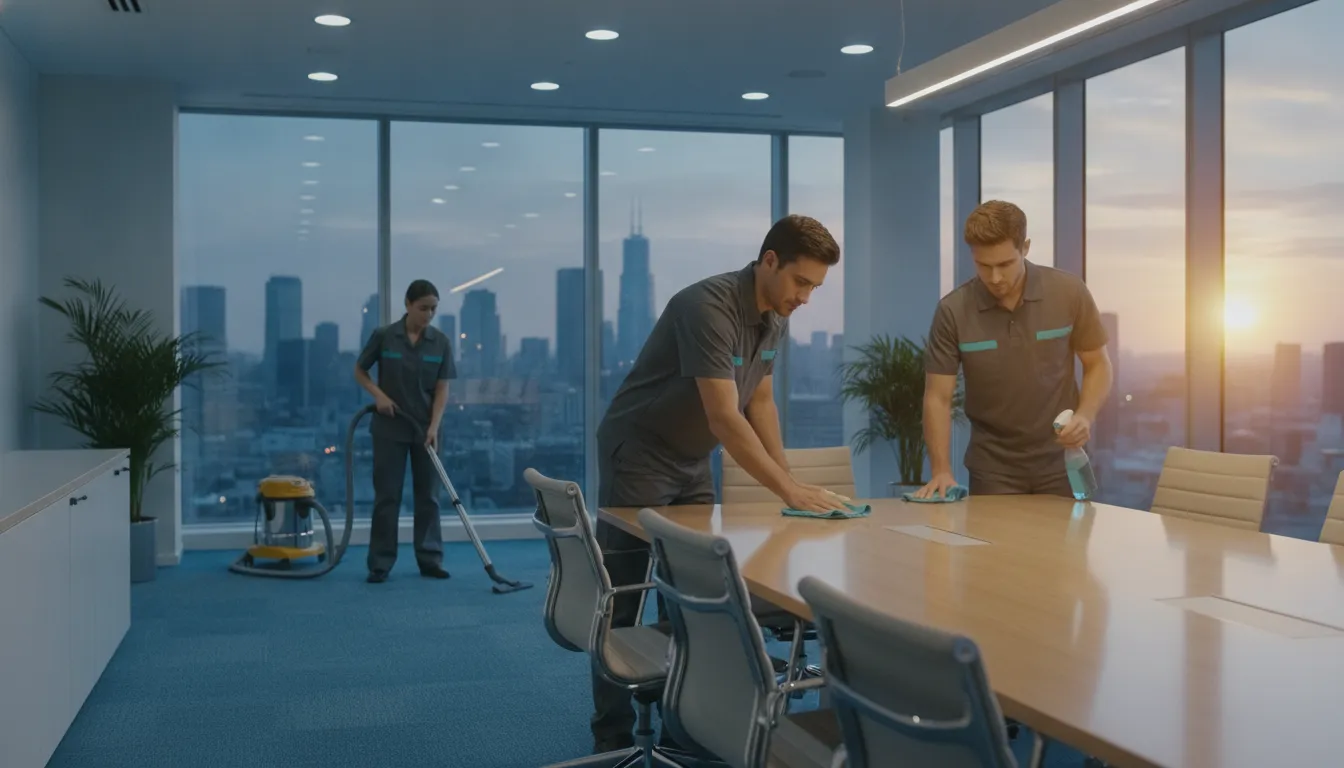
Your employees should not have to spend valuable work time cleaning restrooms, mopping floors, emptying bins, or wiping shared equipment. A professional commercial office cleaning service takes care of these recurring tasks with a clear checklist and regular schedule. It can also handle less frequent needs, such as carpet extraction, upholstery cleaning, interior windows, floor polishing, deep cleaning, and post-construction cleanup. The best plan matches your office rather than relying on a one-size-fits-all package. By reviewing the scope of work, supplies, pricing, security procedures, and quality guarantee, you can choose a provider that keeps your workplace clean without adding another responsibility to your team.
Key Takeaways
- Match the plan to your office: Consider room usage, foot traffic, occupancy, flooring, shared spaces, and preferred service times before choosing a cleaning schedule.
- Review every detail in the quote: Confirm included tasks, supplies, specialty services, visit frequency, additional fees, access requirements, and contract terms.
- Choose a dependable cleaning partner: Prioritize vetted and insured cleaners, clear communication, consistent quality checks, flexible scheduling, and a written satisfaction guarantee.
What Does Commercial Office Cleaning Include?
Commercial office cleaning includes the recurring and specialized services needed to keep a workplace clean, functional, and presentable. The exact scope depends on your office size, layout, occupancy, foot traffic, and preferred schedule.
A standard cleaning plan may cover dusting, vacuuming, mopping, restroom care, break room cleaning, trash removal, and surface wiping. Many providers also offer carpet and upholstery cleaning, floor care, interior-window cleaning, disinfection, and one-time services for office moves or renovations. Reviewing each company’s checklist before booking helps you compare quotes and avoid unclear expectations.
Your office may need frequent cleaning in busy areas such as entrances, restrooms, kitchens, and shared workspaces. Private offices and low-traffic rooms may require less frequent attention. A professional cleaner can help create a plan that matches your workplace rather than applying the same schedule to every room.
Before signing an agreement, ask for a written scope of work. It should explain which areas are cleaned, how often each task is completed, whether supplies are included, and which services cost extra.
Routine Janitorial Tasks
Routine janitorial service covers the repeated tasks that keep an office orderly between deeper cleanings. Cleaners may dust desks, shelves, ledges, workstations, and other accessible surfaces. They typically vacuum carpets and rugs, sweep hard floors, mop high-traffic areas, and spot-clean visible spills or marks.
A regular visit may also include reception areas, conference rooms, private offices, hallways, glass doors, and shared workspaces. Entryways often need extra attention because they collect dirt brought in from outside.
The right schedule depends on your office’s activity level. Daily or several-times-per-week cleaning may suit a busy workplace, while a smaller office may only need weekly visits. Ask for a room-by-room checklist that separates tasks completed on every visit from less frequent services. This office cleaning service list can help you identify common inclusions when comparing providers.
Restroom, Break Room, and Shared-Space Cleaning
Restrooms and break rooms need consistent care because employees, clients, and visitors use them throughout the day. Commercial cleaners may sanitize toilets, urinals, sinks, faucets, counters, dispensers, mirrors, and other fixtures. They also mop floors, remove visible buildup, and address odors.
In kitchens and break rooms, cleaning may include tables, counters, cabinet fronts, sink areas, appliance exteriors, and shared handles. Interior appliance cleaning, such as washing a microwave or refrigerator, may require a separate request, so confirm this before booking.
Cleaners may also maintain reception areas, conference rooms, waiting areas, and hallways. These shared spaces often need additional vacuuming, mopping, dusting, and spot cleaning because of heavier use.
Ask whether the service includes upholstery, inside appliances, and high or hard-to-reach surfaces. A detailed scope helps ensure that the areas employees use most receive the attention they need.
Trash, Recycling, and Supply Restocking
Trash removal is included in many commercial cleaning plans. Cleaners typically empty wastebaskets, replace liners, and take collected waste to the designated disposal area. If your office separates paper, plastic, glass, or other materials, confirm that recycling collection is included and clarify how items should be sorted.
Some providers also restock restroom and break room supplies during each visit. Common items include toilet paper, paper towels, hand soap, tissues, and sanitary products. Regular restocking helps prevent empty dispensers and removes a small but ongoing responsibility from your employees.
Not every company handles supplies in the same way. Some include paper product restocking in the service, while others charge separately for products or ask the client to provide them.
Before booking, ask who purchases the supplies, how inventory is monitored, and whether products appear as separate line items on your invoice. You should also confirm whether cleaners report low stock or simply replace items available on-site.
High-Touch Surface Cleaning and Disinfection
High-touch surfaces can collect dirt and microorganisms during the workday. Common examples include door handles, light switches, handrails, elevator buttons, faucets, appliance handles, shared phones, keyboards, and conference room equipment.
Cleaning removes visible dirt and residue. Disinfection uses a suitable product to reduce microorganisms on a cleaned surface. A professional cleaner should follow the product label, including directions for contact time, ventilation, and safe use. Different products may be needed for electronics, stainless steel, desks, and other materials.
You can review CDC cleaning and disinfection guidance when deciding which areas need special attention. Ask your provider which high-touch surfaces are included and whether disinfection is part of every visit or an additional service.
More frequent disinfection may be useful during cold and flu season, after a reported illness, or in workplaces with specific health and safety requirements. Confirm whether employees need to leave the area while products are applied.
Carpet, Upholstery, and Rug Care
Routine vacuuming removes loose dirt, dust, and debris, but carpets and rugs may eventually need professional cleaning. Depending on the material and condition, a cleaner may use extraction, low-moisture cleaning, or another method designed for the fibers.
Professional carpet cleaning can address stains, tracked-in soil, lint, and buildup that regular vacuuming cannot remove. Upholstered chairs, fabric partitions, waiting-room seating, and area rugs may also require occasional care, especially in reception areas and conference rooms.
The provider should inspect the material before applying products or using equipment. This helps reduce the risk of discoloration, shrinkage, or damage. Ask whether the service includes stain treatment, furniture moving, and protection for nearby walls and flooring.
Carpet and upholstery cleaning are often separate from routine janitorial work. A clear commercial carpet cleaning process can help you understand what method the provider uses and how long the area may take to dry.
Hard-Floor and Interior-Window Cleaning
Hard-floor care may include sweeping, mopping, scrubbing, grout cleaning, scuff removal, polishing, and protective treatments. Some offices also schedule stripping and waxing to remove worn finish and create a cleaner, more even appearance. These services can help protect floors exposed to frequent foot traffic.
The right method depends on the material. Vinyl, tile, wood, concrete, and natural stone may require different products, equipment, and drying times. Ask whether the company has experience with your flooring before scheduling specialized work.
Interior-window cleaning may cover office windows, glass doors, sidelights, partitions, frames, sills, and handles. Confirm whether the quote includes only reachable glass or also covers high windows and other areas that require specialty equipment.
Routine floor and glass cleaning may be included in a regular plan, while stripping, waxing, polishing, and high-window cleaning often cost extra. Reviewing the provider’s floor care services can help you identify which treatments fit your office.
Deep and One-Time Cleaning
Deep cleaning focuses on areas that routine visits may not cover. It may include detailed dusting behind and beneath furniture, baseboards, doors, frames, grout, fixtures, storage areas, and other less accessible surfaces. Offices often schedule deep cleaning before an important event, after a renovation, or when regular cleaning has been inconsistent.
One-time cleaning can address a specific need without requiring a recurring contract. Common examples include cleaning after an office party, seasonal cleaning, tenant turnover, or a long period without professional service. Some providers also offer specialty commercial cleaning for construction and event-related cleanup.
Because deep cleaning takes longer than routine service, request a room-by-room scope and estimate. Confirm whether the price includes inside cabinets, appliances, storage rooms, high surfaces, and furniture moving. Ask whether the cleaner will remove heavy debris or whether another contractor must handle it first.
Move-In, Move-Out, and Post-Construction Cleaning
Move-in and move-out cleaning prepares an office for new occupants or helps return a leased space in suitable condition. Services may include detailed cleaning of floors, windows, restrooms, kitchens, cabinets, doors, walls, fixtures, and built-in storage. Empty rooms are often easier to clean thoroughly because furniture and equipment have been removed.
Post-construction cleaning addresses dust, fine debris, adhesive residue, paint marks, packaging, and other materials left after remodeling or building work. This service may require specialized tools, protective equipment, and more than one cleaning stage. The site should be safe to enter, and contractors should remove hazardous materials before cleaners arrive.
When requesting a quote, share the office size, floor types, current condition, construction status, and required completion date. Ask whether the provider has experience with specialty cleaning services, what equipment it uses, and whether a final inspection is included. These details help prepare the space for employees, tenants, clients, or handover.
What Are the Benefits of Commercial Office Cleaning?
A clean office supports more than a polished appearance. Professional commercial cleaning helps maintain hygienic shared spaces, reduce everyday distractions, and create a more comfortable environment for employees, clients, and visitors. It also removes routine cleaning responsibilities from your staff, allowing them to focus on their regular work.
A cleaning plan can be tailored to your office’s size, layout, occupancy, and schedule. Depending on your needs, it may include regular janitorial service, restroom and break room cleaning, trash removal, high-touch surface disinfection, carpet care, and floor maintenance. You can also schedule deep cleaning for seasonal upkeep or one-time services after renovations, office moves, or construction.
The right schedule matters just as much as the task list. Some businesses prefer evening or weekend service, while others need daytime cleaning for high-traffic areas. A professional company can work around meetings, customer visits, security procedures, and building access requirements.
When comparing providers, look for vetted and insured cleaners, clear service details, reliable communication, and a satisfaction guarantee. These details make it easier to maintain a clean, welcoming workplace without adding another responsibility to your team.
Create Healthier, More Hygienic Workspaces
Offices bring many people into contact with the same door handles, desks, keyboards, phones, elevator buttons, and kitchen surfaces. Without regular attention, dust, allergens, bacteria, and other contaminants can build up in these shared areas.
A professional cleaning team follows a consistent routine for cleaning and disinfecting restrooms, break rooms, common areas, and high-touch surfaces. This supports a cleaner, more comfortable workplace for employees and visitors. Commercial Cleaning Tucson explains that regular professional cleaning can help reduce the spread of germs while creating a safer and more welcoming environment.
Cleaning does not replace handwashing, ventilation, or workplace health policies. It provides an additional layer of everyday hygiene and helps keep shared spaces ready for use.
Reduce Workplace Disruptions
Cleaning does not need to interrupt meetings, calls, customer visits, or focused work. A commercial cleaning company can schedule service around your operating hours, whether you prefer early mornings, evenings, weekends, or selected daytime visits.
Daytime cleaning may suit offices that need frequent attention in restrooms, kitchens, and high-traffic areas. After-hours cleaning may be a better fit for businesses that prefer a quieter workplace while service takes place. Your ideal schedule will depend on occupancy, layout, security procedures, and daily workflow.
Discuss timing before booking. Identify rooms that need priority attention, areas that must stay accessible, and tasks that should happen outside business hours. Building Stars explains that cleaning plans can be adjusted to fit a business’s schedule and reduce unnecessary interruptions.
Improve Workplace Comfort and Productivity
A tidy workplace makes it easier for employees to focus and move through their day comfortably. Dusty surfaces, overflowing bins, unpleasant odors, and untidy shared areas can create small frustrations that add up over time.
Regular cleaning addresses the areas employees notice most, including floors, restrooms, kitchens, break rooms, desks, and communal equipment. It can also reduce the buildup of allergens and bacteria on frequently touched surfaces. A clean environment may support employee attendance as well, since staff are less likely to deal with avoidable hygiene concerns.
Cleaning cannot solve every workplace challenge, but it removes one common source of distraction. Tiger Cleaning Services notes that cleaner shared spaces can support employee health and help reduce sick days. When staff are not responsible for maintaining common areas, they have more time for their actual responsibilities.
Make Better Impressions on Clients and Visitors
Your office gives clients, applicants, vendors, and visitors an early impression of how your business operates. Dusty reception furniture, streaked glass, unpleasant restroom odors, or overflowing bins can make the space feel neglected, even when your team provides excellent service.
Professional cleaning keeps the areas visitors see most in good condition. These may include the entrance, reception desk, waiting area, conference rooms, restrooms, hallways, and shared kitchen. Consistent attention helps the office feel organized, comfortable, and ready for business.
Appearance is only part of the benefit. A properly cleaned workplace also supports health, safety, and comfort for everyone who enters the building. As Clearview Building Services explains, commercial cleaning involves more than appearances. It helps create a healthier and more professional environment for employees and visitors.
Protect Floors, Furniture, and Fixtures
Dirt and grit can wear down carpets and hard floors when they are tracked through busy areas. Spills may stain flooring, damage upholstery, or create slip hazards if they are not handled promptly. Dust can also settle on furniture, fixtures, vents, and other surfaces.
A regular cleaning plan helps remove these materials before they cause avoidable wear. Vacuuming, mopping, spot treatment, upholstery care, and floor maintenance can help preserve your office’s condition. Specialized services, such as carpet extraction and floor polishing, may be scheduled based on traffic levels and material type.
Maintaining these surfaces can extend their usable life and reduce the need for premature replacements. Clearview Building Services points out that regular maintenance can protect flooring, furniture, fixtures, and other building materials while helping prevent costly repairs.
Reduce Employees’ Cleaning Duties
Employees should not have to spend valuable work time emptying office bins, scrubbing break rooms, cleaning restrooms, or wiping shared surfaces. Asking staff to handle these tasks can also produce inconsistent results, particularly when cleaning gets pushed aside during busy periods.
A commercial cleaning service creates a clearer division of responsibilities. Employees can keep their personal workstations tidy, while trained cleaners handle the routine and detailed work across the office. This arrangement can also prevent disagreements about who should clean shared spaces.
Clarify responsibilities when setting up service. Decide whether cleaners will wash dishes, restock paper products, clean inside refrigerators, remove personal items from desks, or handle other tasks. Tiger Cleaning Services cautions that outdated cleaning assumptions can contribute to unhealthy spaces, lower productivity, and unnecessary long-term costs.
Maintain Consistent Standards Without an In-House Team
An in-house cleaning routine can be difficult to maintain when employees are absent, workloads change, or no one has clear ownership of the work. A professional service provides scheduled visits, defined responsibilities, and a repeatable plan for the entire office.
Before service begins, ask how the company tracks completed work and handles quality concerns. You may want a written checklist, regular inspections, a dedicated point of contact, or a simple way to request follow-up cleaning. These details make it easier to maintain consistent standards across restrooms, common areas, private offices, and high-traffic zones.
Choose a provider that vets its cleaners, carries appropriate insurance, and explains how it manages building access. A reliable company should also adjust the plan when your occupancy, hours, or cleaning needs change. Building Stars recommends viewing professional cleaning as a practical investment in well-maintained workspaces and longer-lasting business assets.
How Do You Choose a Commercial Office Cleaning Service?
Choosing a commercial office cleaning service involves more than comparing hourly rates. The right provider should fit your office layout, business hours, cleaning standards, budget, and access requirements. A company that works well for a small studio may not have the staff, equipment, or experience needed for a busy office building.
Before requesting quotes, write down what your office needs cleaned, how often each area requires attention, and which tasks matter most to your team. This list gives you a consistent way to compare providers and helps prevent missed tasks, unclear expectations, and unexpected charges.
Look for a company that uses vetted, insured cleaners, communicates clearly, and stands behind its work. You can also ask whether it offers online booking, recurring service, after-hours appointments, and a written satisfaction guarantee. The right service should make office maintenance easier for your team, not create another task to manage.
Assess Your Office’s Cleaning Needs
Start by reviewing your office room by room. Note the number of workstations, private offices, meeting rooms, kitchens, restrooms, entrances, storage areas, and other shared spaces. Consider how many people use the office each day, whether visitors regularly come in, and which areas collect the most dirt or clutter.
Create a checklist of required tasks, such as vacuuming, mopping, dusting, restroom cleaning, trash removal, disinfecting high-touch surfaces, and supply restocking. You may also need periodic services, including carpet cleaning, interior-window washing, floor care, or post-construction cleanup.
Avoid choosing a provider based only on a standard package. Cleaning needs vary according to office size, occupancy, traffic, floor types, and business activities. A commercial cleaning needs assessment can help you choose a practical service frequency and avoid paying for work your office does not need.
Verify Cleaner Vetting, Insurance, and Background Checks
Cleaning staff may work around sensitive documents, computers, equipment, and personal belongings, sometimes when your office is closed. Ask how each company screens and hires its cleaners. Reputable providers should be able to explain whether team members are background-checked, trained, and legally authorized to work.
Request proof of general liability insurance and ask whether the company carries workers’ compensation insurance. These policies can help protect your business if a cleaner is injured or property is damaged during a visit. Do not rely on verbal assurances alone. A professional provider should be willing to share current documentation.
Ask whether the same cleaners will return to your office. Consistent assignments can make it easier to build trust and maintain familiar routines. Some providers also use confidentiality agreements for businesses that handle private information. Office cleaning service guidance recommends checking vetting, insurance, background checks, and confidentiality practices before hiring.
Review Experience, Training, and Safety Standards
Experience matters because commercial offices require more than basic dusting and vacuuming. Cleaning teams may work with different flooring materials, commercial carpet, glass surfaces, disinfectants, ladders, and specialized equipment. Ask how long the company has served commercial clients and whether it has cleaned offices similar to yours.
Training should cover product labels, dilution instructions, equipment use, personal protective equipment, and safe storage. The company should also have procedures for handling spills, bodily fluids, broken glass, and other hazards. If your office contains sensitive surfaces or specialized equipment, explain those requirements before service begins.
Ask whether cleaners receive ongoing training and supervision, rather than learning only through informal instruction. Professional janitorial work involves knowledge of cleaning chemistry, machinery operation, and safety protocols. A provider that follows clear safety standards is more likely to protect your property and staff.
Check Reviews and Team Consistency
Reviews can show how a cleaning company performs after the initial sales conversation. Look for comments about punctuality, attention to detail, communication, consistency, and how the company handles missed tasks or complaints. Read several reviews instead of relying on one overall rating.
Pay particular attention to feedback from businesses with a similar office size or service schedule. Reviews from residential customers may not say much about a provider’s ability to manage commercial restrooms, shared workspaces, high-traffic entrances, or recurring visits.
Ask how the company manages staff absences and whether replacement cleaners receive instructions about your office. You should know whom to contact if the regular team cannot attend. A consistent team can reduce confusion around access, supplies, and special requests, while clear customer service standards can make concerns easier to resolve.
Compare Cleaning Plans and Schedules
Cleaning frequency should reflect how your office is used. A small team with limited visitors may need weekly cleaning, while a busy office with shared kitchens and restrooms may require service several times a week. High-traffic areas may also need attention more often than private offices.
Ask providers to recommend a schedule based on your actual needs, then compare what each plan includes. Confirm whether the quote covers every visit or uses a rotating task list. For example, trash removal and restroom cleaning may happen each time, while interior windows or detailed dusting may happen monthly.
Consider when cleaners will work. After-hours or overnight cleaning can limit disruption, while daytime service may suit offices with flexible schedules. Ask whether the company offers customized cleaning plans and confirm how it handles holidays, cancellations, and schedule changes.
Confirm the Work Scope and Quality Standards
A quote is only useful when you understand exactly what the service includes. Request a written scope of work that lists each area, task, frequency, and expected standard. It should clarify whether cleaners will move light furniture, clean inside cabinets, wipe monitors, empty desk bins, or disinfect shared equipment.
Ask how the provider defines a completed task. “Clean the kitchen” could mean wiping counters and taking out the trash, or it could also include cleaning appliances, mopping floors, wiping cabinet fronts, and restocking supplies. Clear wording prevents different assumptions between your team and the cleaning crew.
Commercial cleaning may require specialized tools, industrial-grade products, and trained professionals, rather than a larger version of a household routine. Ask for a checklist, service specification, or inspection process that shows how quality is measured. Commercial cleaning standards can vary significantly between providers.
Ask About Supplies, Equipment, and Products
Find out whether the cleaning company supplies products, equipment, paper goods, liners, and other consumables. If your business provides some materials, confirm who monitors inventory and how replacements are requested. These details can affect the actual cost of service and prevent supply shortages.
Ask which products the cleaners use on desks, floors, glass, electronics, kitchens, and restrooms. Strong odors or harsh chemicals may concern employees, visitors, or people with allergies. You can request fragrance-free products, lower-toxicity options, or solutions that are compatible with your flooring and furnishings.
The company should also explain how it uses disinfectants, including contact times and safe application. More product does not necessarily mean better cleaning. Trained professionals understand how to apply cleaning solutions correctly and can achieve effective results without unnecessary chemical exposure, as office cleaning guidance explains.
Review Communication, Inspections, and Guarantees
Good communication gives you a clear way to request changes, report concerns, and confirm upcoming visits. Ask whether you will have a dedicated contact, how quickly the company responds, and whether support is available by phone, email, text, or an online portal.
Find out how the provider checks its own work. Some companies use supervisor inspections, digital checklists, customer feedback forms, or regular account reviews. Ask how missed tasks are corrected and whether a manager follows up after a complaint.
A written guarantee can provide extra reassurance, but read the terms carefully. Confirm whether the company will return to address an issue at no additional cost and how soon you must report it. Regular maintenance also helps protect furniture, fixtures, and equipment from premature wear. Commercial cleaning maintenance guidance explains why cutting corners can lead to higher repair and replacement costs over time.
Confirm Booking, Access, and After-Hours Support
Before booking, make sure the service process fits your office routine. Ask how appointments are scheduled, whether you can book recurring visits online, and how much notice is required for changes or cancellations. Confirm that the company serves your area and can accommodate your preferred days and times.
Discuss access details in advance. Explain how cleaners will enter the building, where keys or access codes are stored, which areas are restricted, and who handles alarm systems. Ask how access information is protected and whether cleaners sign in or out.
If the office is cleaned outside business hours, confirm how the team handles locked doors, security procedures, deliveries, and emergency contacts. Daytime cleaning may suit a team that can work around service visits, while evening appointments may reduce interruptions. Ask about daytime and after-hours cleaning options before finalizing your plan.
How Do Commercial Office Cleaning Services Set Prices?
Commercial office cleaning prices depend on more than square footage. Providers may also consider the number of employees, foot traffic, office layout, cleaning frequency, building access, and the condition of the space. A busy office with several restrooms and shared kitchens may require more service than a larger, lightly used workplace.
Many cleaning companies provide a customized quote after an on-site or virtual walkthrough. This gives the provider a chance to identify high-traffic areas, understand your schedule, and confirm which tasks belong in the regular plan. For example, office cleaning pricing may vary based on square footage, service frequency, and the level of service required.
Some companies offer flat-rate pricing, while others charge by the hour, visit, or month. When comparing estimates, look beyond the total price. Review the cleaning checklist, service schedule, included supplies, quality standards, and additional fees. A lower quote may not offer better value if it excludes restocking, floor care, or periodic deep cleaning.
Compare Per-Visit, Hourly, and Monthly Pricing
Commercial cleaners commonly charge per visit, by the hour, or through a monthly plan. Per-visit pricing gives you a clear cost for each appointment. It can suit smaller offices or businesses that need service once or twice a week.
Hourly pricing charges for the time cleaners spend on-site. This arrangement may work for offices with changing needs, but the final bill can vary if a visit takes longer than expected. Ask how many labor hours the provider anticipates and whether you will receive approval before additional time is added.
Monthly pricing creates a predictable recurring expense and often suits offices that need regular service. Before signing, confirm whether the fee includes holidays, supplies, restocking, deep cleaning, and extra visits. A commercial cleaning service can help create a plan around your facility’s size, schedule, and requirements.
Consider Office Size, Layout, Occupancy, and Traffic
Square footage is an important part of a cleaning quote, but it does not tell the whole story. A 5,000-square-foot open office may take less time to clean than a smaller workplace with multiple rooms, stairways, kitchens, and private restrooms.
The layout can affect how quickly cleaners work. Narrow hallways, crowded workstations, glass partitions, and areas that require special access may add labor time. Multiple desks, meeting rooms, and shared spaces also increase the number of surfaces that need attention.
Occupancy and foot traffic matter, too. A small team may need weekly cleaning, while a busy workplace with frequent visitors may require service several times a week. Reception areas, break rooms, elevators, and restrooms often need more frequent care than private offices. Identify the areas that become dirty fastest during the walkthrough.
Compare Cleaning Frequency and Service Times
Cleaning frequency has a direct effect on price. Weekly service usually costs less overall than daily cleaning, but a high-traffic office may need more frequent visits to stay comfortable and presentable. Some businesses schedule daily restroom and break room cleaning, then service private offices and low-traffic areas less often.
The time of day can also affect the estimate. Cleaning during business hours may take longer because the team must work around employees, visitors, meetings, and equipment. Evening, overnight, weekend, or holiday appointments may cost more, but they can reduce interruptions and give cleaners better access to shared spaces.
Ask whether the quote includes fixed appointment times or flexible service windows. Confirm how the company handles holidays, building closures, and rescheduling. ServiceMaster’s commercial cleaning guidance explains that cleaning plans are often customized around a facility’s schedule and requirements.
Price Routine, Deep, and Add-On Services
Most recurring plans cover routine tasks such as vacuuming, mopping, dusting, restroom cleaning, trash removal, and surface wiping. Deep cleaning usually costs more because it requires additional time, detailed work, or specialized equipment. You might schedule it monthly, quarterly, seasonally, or before an important event.
Add-on services may include carpet extraction, upholstery cleaning, interior windows, floor stripping and waxing, high-reach dusting, and disinfection. Move-in, move-out, and post-construction cleaning are usually priced separately because they may involve heavy debris, adhesive residue, or fine dust.
Ask the provider to separate recurring tasks from one-time services in the proposal. Commercial providers may offer services ranging from janitorial cleaning to carpet care and floor maintenance, but these services are not always included in a standard plan. A detailed checklist helps prevent confusion about what each visit covers.
Account for Labor, Supplies, Equipment, and Specialty Work
Labor often makes up the largest part of a commercial cleaning estimate. The price may reflect the number of cleaners assigned, time on-site, training, supervision, payroll costs, and the difficulty of the work. A company that provides vetted, insured cleaners and quality checks may charge more than an informal provider, but those safeguards can offer greater peace of mind.
Supplies and equipment also affect the total. Some companies include basic products, trash bags, vacuums, mops, and disinfectants in the regular rate. Others charge separately for specialty products or ask the client to provide paper towels, hand soap, and other restroom supplies.
Specialty work may require additional training or equipment. Examples include carpet extraction, hard-floor refinishing, high-window cleaning, and post-construction cleanup. Ask who supplies the equipment, who performs the work, and whether specialty services have separate minimum charges.
Consider Location, Access, and After-Hours Needs
Your office location can affect pricing through travel time, parking, security check-ins, elevator access, and local labor costs. A provider may charge more when cleaners need to pay for parking, wait for building access, or travel a long distance between appointments.
Access requirements can also change the time needed for each visit. Discuss keys, access cards, alarm codes, elevators, loading areas, and building escorts before service begins. Confirm who secures the property and what happens if the team cannot enter at the scheduled time.
After-hours cleaning may carry a higher rate, particularly for late-night, weekend, or holiday appointments. However, it can reduce disruption during business hours. Ask whether the company offers a consistent team, how it handles building closures, and whether urgent requests are available.
Product selection and equipment may affect pricing as well. Some businesses request lower-toxicity products, fragrance-free options, or waste-reduction practices. Tennant’s cleaning industry overview discusses how sustainability can influence cleaning operations and service planning.
Review Contracts, Minimums, and Extra Fees
Read the service agreement before accepting a quote. Check the contract length, cancellation terms, renewal conditions, payment schedule, and process for changing the cleaning plan. Some providers require a minimum number of visits or a minimum monthly spend, especially for smaller offices.
Ask about fees for missed appointments, lockouts, emergency visits, holiday service, and last-minute schedule changes. Confirm whether deep cleaning, consumable restocking, and special requests are included or billed separately. The proposal should state which rooms and tasks the team will handle during each visit.
Regular maintenance may also help protect your workplace. Consistent cleaning can extend the useful life of flooring, furniture, fixtures, and equipment, which may reduce replacement costs over time. Buildingstars’ commercial cleaning guidance explains why cutting corners on routine maintenance can lead to larger expenses later.
Compare Commercial Cleaning Quotes
Request quotes from at least two or three qualified providers, but do not choose based on price alone. Start by comparing the scope of work. Check whether each proposal covers the same rooms, tasks, service frequency, supplies, equipment, and quality checks.
Ask how each company trains and supervises cleaners, handles absences, and responds when work does not meet expectations. Industry experience may matter if your office has specific security, compliance, healthcare, childcare, or high-traffic requirements. The questions for choosing a commercial cleaner include asking about industry-specific expertise and consistent service delivery.
A walkthrough can help you receive a more accurate estimate. Point out high-priority areas, access restrictions, sensitive surfaces, and times when cleaning cannot occur. Then request a written proposal that identifies recurring prices, one-time charges, supplies, add-ons, and cancellation terms. This makes it easier to compare the actual value of each service instead of comparing incomplete numbers.
What Eco-Friendly and Specialized Office Cleaning Options Are Available?
Commercial office cleaning can go beyond dusting, vacuuming, and emptying bins. If your workplace has allergy concerns, high foot traffic, sensitive materials, or an upcoming move, you can request services designed around those needs. Many professional cleaning companies also offer environmentally responsible options that reduce unnecessary chemicals and waste while keeping shared spaces clean.
When comparing providers, ask what each service includes, which products the team uses, and how cleaners handle waste. “Green cleaning” can mean different things between companies, so look for specific details about certifications, reusable supplies, equipment, and cleaning procedures. The EPA’s Safer Choice product search can help you identify products that meet its ingredient and performance standards.
Specialized cleaning can be scheduled as a one-time service or added to a recurring plan. Your provider can recommend a schedule based on office size, occupancy, flooring, traffic, and the type of work performed in the space.
Choose Green Seal, EPA Safer Choice, and Low-Toxicity Products
Ask whether the cleaning company uses products certified by recognized programs such as Green Seal or EPA Safer Choice. These programs evaluate products according to standards related to ingredients, performance, packaging, and environmental impact. Certification does not mean a product is risk-free, but it gives you a reliable way to compare options.
You can also request low-toxicity products for routine cleaning, especially when employees are working nearby. Ask the provider which products it will use in occupied areas, how products are stored, and whether cleaners receive training on safe handling. For disinfecting, confirm that the product is suitable for the surface and that the team follows the label’s required contact time.
Request Fragrance-Free and Allergy-Aware Cleaning
Strong fragrances can be unpleasant for employees and visitors, while certain ingredients may trigger sensitivities. If your office includes people with allergies, asthma, or chemical sensitivities, ask whether the cleaning team can use fragrance-free products and avoid unnecessary air fresheners.
An allergy-aware plan may also include frequent vacuuming, microfiber dusting, careful restroom cleaning, and extra attention to fabric-covered furniture. The American Lung Association’s cleaning recommendations offer practical guidance on selecting cleaning products and supporting indoor air quality. Share workplace concerns before service begins so the provider can plan the right products, timing, and ventilation.
Reduce Waste With Reusable Supplies and Low-Waste Methods
A lower-waste cleaning plan can include reusable microfiber cloths, washable mop heads, concentrated products, refillable containers, and accurately measured solutions. These practices can reduce packaging waste and help prevent the overuse of chemicals. Ask how reusable supplies are washed, separated, and replaced between work areas.
You can also discuss paper product use, recycling procedures, and disposal methods. A responsible provider should explain how it handles used materials and whether it can work with your existing recycling program. The EPA’s sustainable materials management guidance provides useful information about reducing waste throughout a product’s life cycle. You may also ask whether the company tracks supply use and adjusts quantities when office occupancy changes.
Disinfect High-Touch Commercial Areas
High-touch surfaces may include door handles, light switches, elevator buttons, shared keyboards, faucet handles, break room appliances, reception counters, and conference room tables. Cleaning removes dirt and many germs, while disinfecting uses an approved product to kill specific microorganisms on a surface.
Ask which areas will be disinfected, how often the work will be completed, and whether each product is suitable for the material being treated. The EPA’s List N explains how to identify disinfectants that meet specific public health criteria. Cleaners should follow the product label, including the required wet contact time, and allow surfaces to dry before employees use them.
Deep-Clean Carpets and Upholstery
Carpets and upholstered furniture can collect dust, food particles, soil, and other debris that routine vacuuming does not remove. Professional carpet extraction and upholstery cleaning can reach deeper into these materials, helping remove embedded dirt and visible stains while improving the appearance of shared spaces.
Before scheduling the service, ask how the company will inspect the material, test its products, protect nearby surfaces, and manage drying time. Excess moisture can create problems if carpets or furniture are used before they are completely dry. The Carpet and Rug Institute’s maintenance guidance can help you discuss suitable cleaning methods for your office’s carpet type. Schedule deep cleaning when rooms can remain unused long enough for materials to dry.
Strip, Wax, and Polish Floors
Hard floors often need more than regular sweeping and mopping. Periodic stripping removes built-up finish and residue, while applying a new finish can restore the surface’s appearance and protect it from everyday foot traffic. Polishing may suit certain flooring materials and can improve shine without the same process used for refinishing.
The right treatment depends on the floor type, existing finish, traffic level, and manufacturer recommendations. Ask the cleaning company to identify the material before using chemicals or equipment. A clear plan should include furniture movement, drying time, slip prevention, and safe access while the work is underway. For busy offices, schedule floor treatments after hours or in sections so employees can continue using the space.
Clean Interior Windows, High-Reach Areas, and Specialty Surfaces
Interior window cleaning can remove fingerprints, dust, and buildup from glass, frames, ledges, and partition panels. In offices with tall ceilings, a cleaning team may also handle vents, light fixtures, ceiling fans, exposed beams, and other high-reach areas using extension tools or approved access equipment.
Specialty surfaces may include stainless steel, stone, wood veneer, glass boards, screens, and delicate fixtures. Each material may require a different product and technique. Ask whether the provider has experience with the surfaces in your office and whether the team will protect electronics, furniture, walls, and flooring. You should also confirm how cleaners will access elevated areas and whether the service includes removing dust from difficult-to-reach ledges.
Schedule Move-In, Move-Out, and Post-Construction Cleaning
Move-in cleaning prepares an office before employees, furniture, and equipment arrive. It may include detailed dusting, cabinet interiors, restrooms, floors, windows, appliances, and areas that become difficult to reach once the space is occupied. Move-out cleaning can help return a leased office in the condition required by the property manager or lease agreement.
Post-construction cleaning addresses dust, adhesive residue, packaging, paint marks, and other debris left after renovations. Ask whether the provider offers a rough clean, final clean, or both. A detailed commercial cleaning checklist can help you identify surfaces and safety concerns that need attention before the space is used. Schedule service after major construction work is complete, and confirm who will remove leftover materials and construction waste.
Frequently Asked Questions
How often should an office be professionally cleaned? The ideal schedule depends on employee count, visitor volume, floor space, and use of shared areas. Busy offices may need service daily or several times a week, while smaller workplaces may be comfortable with weekly visits. Restrooms, kitchens, entrances, and other high-traffic spaces may need attention more often than private offices.
Should I hire a cleaning company for a one-time office cleaning? Yes. One-time cleaning can be useful before moving into a new office, after moving out, following renovations, or before an important event. Ask for a detailed estimate that confirms whether the service includes cabinets, windows, appliances, floors, construction dust, and debris removal.
What should be included in a commercial cleaning quote? A complete quote should list the rooms, cleaning tasks, visit frequency, expected service times, supplies, equipment, and any extra charges. It should also explain how the provider handles cancellations, lockouts, specialty services, and follow-up requests. Comparing quotes is much easier when each company provides the same details.
How can I check whether a commercial cleaner is trustworthy? Ask whether the cleaners are vetted, trained, insured, and covered by workers’ compensation insurance. You can also review feedback from similar businesses and ask how the company protects keys, access codes, confidential information, and office equipment. A written satisfaction guarantee and clear communication process offer additional reassurance.
Can commercial cleaners use environmentally responsible products? Many providers offer fragrance-free, low-toxicity, or certified products upon request. Ask which products will be used, how reusable supplies are handled, and whether the company supports recycling or reduced-waste practices. The provider should also explain how it safely applies disinfectants on different surfaces.
For a recurring plan tailored to your workplace, explore our commercial office cleaning services.