Commercial Disinfection Services: A Booking Guide
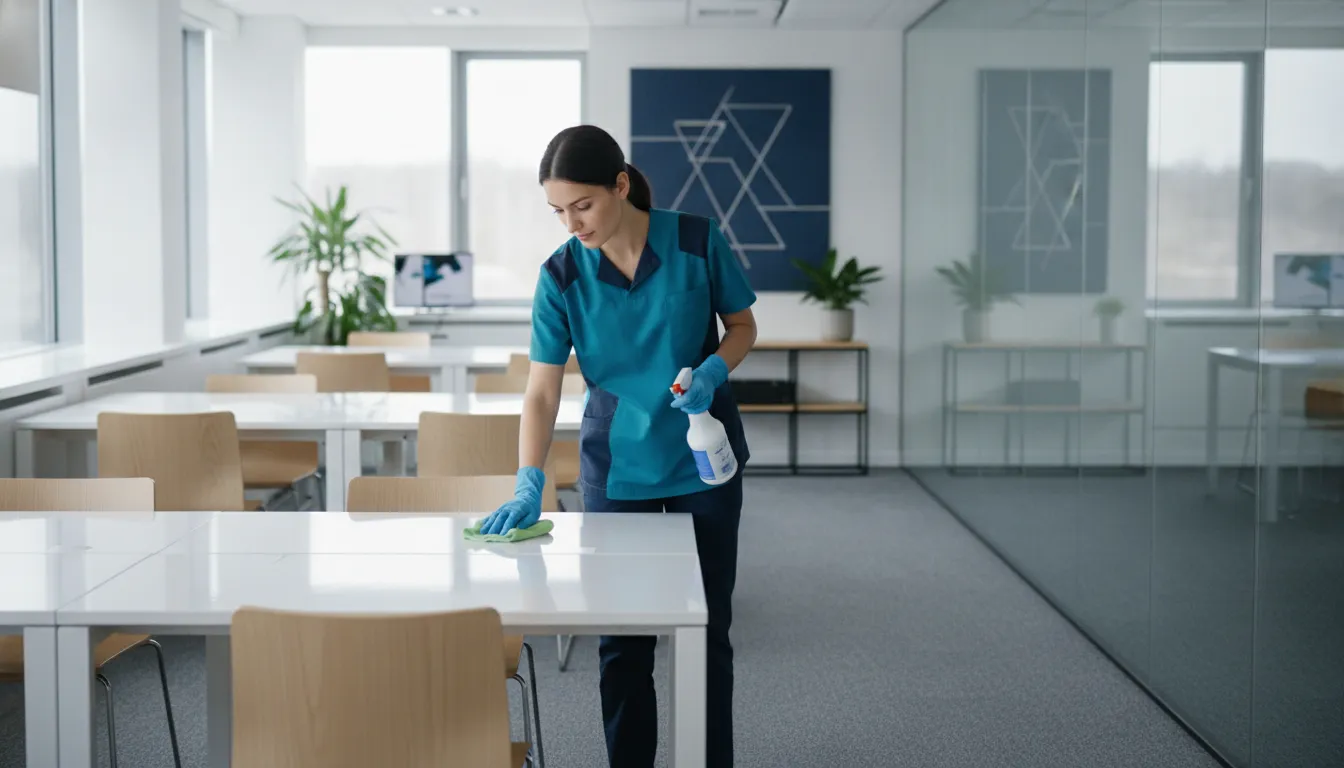
Business leaders rarely need a one-size-fits-all chemical treatment. The right approach depends on how people use the space, which surfaces receive frequent contact, what has happened recently, and what the facility can safely accommodate. A thoughtful plan should clarify the work, timing, products, access requirements, and documentation before anyone arrives.
Request commercial cleaning information from Crystal Clean Collective.
Commercial disinfection services may be appropriate when a business needs targeted work beyond its normal cleaning routine. Such as after a reported illness event or in areas with frequent contact. The scope should be based on the facility and product-label instructions, and surfaces should be cleaned before disinfecting because dirt can make disinfectants less effective (CDC guidance).
Before requesting a quote, it helps to separate routine cleaning from targeted disinfection and describe the outcome you need. That distinction makes it easier to evaluate what a provider can responsibly include and where additional questions are necessary.
What Are Commercial Disinfection Services?
Commercial disinfection services are planned cleaning services that address surfaces in a workplace or other business facility after routine soil and debris have been removed. The exact scope depends on the building, the surfaces involved, how the space is used, and any rules that apply to that type of facility. A responsible plan should explain what will be cleaned, what may be disinfected, and which product directions govern the work.
These terms are related, but they are not interchangeable:
- Cleaning removes dirt and most types of harmful germs from surfaces. It is the necessary first step because dirt and other impurities may make sanitizing or disinfecting chemicals less effective.
- Sanitizing reduces the germs remaining on a surface after cleaning. It may be appropriate when the goal is to lower contamination to a defined level for a particular setting or use.
- Disinfecting can kill harmful germs that remain after cleaning. Used after cleaning, it can further lower the risk of spreading disease, but it is not a substitute for selecting a suitable product and following its directions.
The CDC explains the differences between cleaning, sanitizing, and disinfecting and notes that regular cleaning is enough to prevent germ spread in most situations. Disinfection may be considered for areas where someone has obviously been ill or for certain high-traffic spaces, while facility-specific regulations should guide decisions for regulated settings.
For that reason, commercial disinfection services should not be treated as a one-size-fits-all promise. Businesses should ask a provider to review the facility, identify the surfaces and spaces in scope, and explain the proposed process. Specialized methods or regulated healthcare work should be confirmed directly rather than assumed from a general commercial cleaning description.
When Might a Business Need Targeted Disinfection?
Routine cleaning is often enough for everyday prevention. The CDC says regular cleaning helps prevent the spread of germs, and recommends cleaning high-touch surfaces regularly while cleaning other surfaces when they are visibly dirty. A business may need a more targeted approach when a specific event, area, or facility requirement changes the risk or the cleaning plan.
One clear example is an illness event. If someone has obviously been ill in a workplace, shared building, or customer-facing space, the affected areas may warrant disinfection after cleaning. Some germs are also harder to remove or kill and may require specialized cleaning and disinfection. That does not mean every reported illness calls for the same response. The appropriate scope depends on the situation, the surfaces involved, and current guidance.
High-touch and high-traffic areas deserve practical attention. Door handles, stair rails, elevator buttons, touchpads, restroom fixtures, desks, counters, and other frequently handled surfaces can receive repeated contact throughout the day. The CDC notes that high-touch surfaces are generally more likely to spread germs. In a high-traffic space, a business may choose more frequent cleaning or disinfection in addition to its normal routine.
Cleaning should come first because dirt and other impurities can make sanitizing or disinfecting chemicals less effective. A provider can help define which surfaces need attention, how often they should be addressed, and how the work fits around occupants and operations.
Healthcare settings and other regulated facilities are different. General community guidance may not apply where facility-specific regulations or standard practices control. Managers should confirm those requirements with the appropriate authority before arranging commercial disinfection services or changing an established protocol.
What Should a Provider Include in the Service Plan?
A useful service plan should make the work clear before anyone arrives. It should identify the facility areas covered, the surfaces included, the expected schedule, and any conditions that could change the scope. Ask whether the plan addresses shared spaces, restrooms, entry points, break rooms, workstations, and other high-touch areas relevant to how your business operates.
Confirm the products and application method
Request the product name and label information for any disinfectant the provider plans to use. The EPA explains that registered product labels identify where a product may be used, which microorganisms it is effective against, and how it should be applied. The label also specifies the required contact time, meaning how long the product must remain on a surface to work. See the EPA guidance on registered disinfectants for the product-label details a provider should be prepared to discuss.
Application method matters. EPA advises following the registered label, including its application directions, because a disinfectant's safety and effectiveness may change depending on how it is used. A method not included on the label may not have been reviewed for safety or effectiveness. Ask the provider to explain how the product will be applied to each relevant surface and whether the plan follows the label.
Plan for occupants, access, and records
The plan should state whether employees, customers, residents, or visitors need to leave treated areas and when they may return. It should also cover ventilation, access to locked rooms, furniture or equipment that must be moved, and any surfaces that require special handling. Do not accept vague assurances about safety. EPA notes that disinfectants can be harmful, so precautionary and safety information should be reviewed before use.
Finally, ask what documentation you will receive. A practical record may include the date, areas serviced, products used, notable access limitations, and recommended follow-up. Businesses comparing customized commercial cleaning plan options can use those details to compare scope rather than relying only on broad service labels.
How Do Cleaning, Sanitizing, and Disinfecting Differ?
These terms describe different levels of surface care. Knowing the difference helps a facility manager explain the outcome needed, set a realistic scope, and ask better questions when comparing commercial disinfection services.
| Method | What it does | How it fits into facility care |
|---|---|---|
| Cleaning | Removes most types of harmful germs, along with dirt and other impurities, from surfaces. | The usual first step and a foundation for the other methods. |
| Sanitizing | Reduces the germs remaining on a surface after cleaning. | Useful when the goal is to lower the number of germs left behind. |
| Disinfecting | Can kill harmful germs that remain on a surface after cleaning. | May be added when circumstances call for a stronger germ-control step. |
Cleaning should come before sanitizing or disinfecting. Dirt and other impurities can make it harder for sanitizing or disinfecting chemicals to kill germs. A provider should therefore explain how surfaces will be cleaned before any additional treatment is applied.
The right approach depends on the facility and its circumstances. CDC guidance recommends regular cleaning of high-touch surfaces and notes that disinfection may be appropriate where people have obviously been ill. High-traffic areas may also call for more frequent cleaning or disinfection in addition to routine cleaning. These decisions should follow the facility's own policies, applicable regulations, and product-label directions.
For a commercial cleaning plan, ask which surfaces are included, whether cleaning happens before any sanitizing or disinfecting step, and how the work will be documented. Healthcare settings and facilities with specific regulations require different guidance, so confirm that the provider's proposed scope matches your type of workplace. Read the CDC's facility cleaning and disinfection guidance for additional planning context.
What Affects a Commercial Disinfection Services Quote?
A useful quote starts with the facility, not a one-size-fits-all rate. A provider needs enough detail to understand the work involved, the conditions on site, and the schedule that will fit your operations. Market guidance commonly identifies premises size and staffing needs as factors that can affect the time required. While facility type, service level, and space size can influence the scope of a commercial cleaning plan. These are general planning considerations, not a price promise.
Facility size and layout
Share the approximate square footage, number of floors, room count, and any areas that require separate access or special attention. A compact office, a retail location, and a large multi-floor workplace may have very different travel paths, surface counts, and labor requirements. Include restrooms, break rooms, reception areas, shared equipment, and other spaces that should be considered in the scope.
Use, surfaces, and traffic
Explain what happens in the facility and which surfaces receive frequent contact. Door handles, desks, counters, restroom fixtures, elevator buttons, and touchpads may need to be considered alongside floors, walls, furniture, and other materials. A busy site may need a different frequency or work plan than a lightly occupied space. Cleaning guidance also emphasizes regularly cleaning high-touch surfaces and adjusting attention to the conditions of the facility.
Timing and frequency
Tell the provider whether you are planning a one-time visit, recurring service, or work connected to a specific event. Note preferred service windows, occupancy patterns, restricted areas, and any access instructions. The type of facility, daily traffic, and operational demands can all affect a practical schedule. Accurate timing information helps the provider propose a plan that does not interfere unnecessarily with employees, customers, or tenants.
Documentation and scope
If you need a written scope, service log, product information, or visit record, mention that before the quote is prepared. Ask what the documentation will cover and which tasks are included. A clear request should identify the facility, surfaces, timing, frequency, and records needed. That gives both sides a better basis for discussing customized commercial disinfection services without relying on an unsupported dollar figure.
How Should You Prepare Before a Disinfection Visit?
A short planning conversation can help a provider understand the facility, recommend an appropriate scope, and schedule the work with less disruption. Prepare the following information before the visit:
- Share facility details. Note the facility type, approximate size, operating hours, number of occupants, and any areas with restricted access. Scheduling and staffing needs can vary with the facility, daily traffic, and operational demands, so these details help create a realistic plan.
- Identify high-touch areas and illness concerns. Point out door handles, elevator buttons, stair rails, restroom fixtures, desks, shared equipment, and other frequently handled surfaces. Tell the provider about any recent illness concerns or areas where people were obviously ill. This helps distinguish routine cleaning needs from areas that may need additional attention.
- Coordinate access and occupants. Decide which rooms should be included, who will provide entry, and whether employees, customers, or visitors need to leave during the work. Confirm how the visit will fit around business operations, ventilation requirements, pets, children, or other occupants where applicable.
- Ask about the product label and contact time. Request the product name, intended surfaces, application method, safety directions, and required contact time. EPA defines contact time as how long a product must remain on a surface to work. The label also determines where and how the product should be used. Do not assume a different spray, fogging, or wiping method is acceptable; safety and effectiveness can change when a product is used outside its labeled directions. Review EPA label guidance.
- Request records and next steps. Ask what will be documented after the visit, including the completed areas, products used, notable limitations, and recommended follow-up. Your facility's own regulations or industry requirements may call for additional records, so confirm those expectations before work begins.
How to Request Commercial Cleaning Information in the DMV
A useful request starts with the details a provider needs to understand your facility. Share the property type, approximate size, number of occupants, high-traffic areas, surface types, and whether you need a one-time visit or recurring commercial cleaning. If the request relates to an illness event or another specific concern, describe the situation without assuming which treatment or application method is appropriate.
Before comparing responses, use this checklist:
- Define the scope. Identify rooms, touchpoints, restrooms, shared equipment, entry areas, and any spaces that should remain out of scope.
- Explain the schedule. Note preferred service windows, access restrictions, occupancy patterns, and whether work must happen outside normal business hours.
- Ask what is confirmed. Request a clear explanation of the cleaning tasks included, products or methods proposed, required contact time, ventilation or re-entry considerations, and any preparation your staff must complete. Product labels and facility-specific rules should guide the final plan.
- Request documentation. Ask whether the provider can describe the planned scope, service frequency, exclusions, and follow-up process in writing. Avoid choosing based only on broad terms such as "disinfection" without understanding what will actually be done.
- Check practical fit. Confirm insurance, cleaner screening, communication expectations, and who will coordinate access. The lowest-friction plan is not always the best fit if it leaves important areas or responsibilities unclear.
For DMV businesses seeking a dependable cleaning partner, Crystal Clean Collective provides commercial cleaning solutions and can review the information you provide. The company is a professional cleaning provider, but a specific specialized disinfection service should be confirmed directly rather than assumed from this guide. You can also learn more about its professional cleaning services before requesting information.
When you contact a provider, send the checklist details together and ask which parts of the request require an on-site assessment. That gives both sides a clearer basis for deciding whether the proposed scope fits your DMV facility.
Frequently Asked Questions
What can commercial disinfection services include?
Scope depends on the facility and the provider's capabilities. A plan may address selected hard surfaces, high-touch areas, cleaning before disinfection, application steps, access requirements, and follow-up documentation. Ask which rooms and surfaces are included, which services are excluded, and whether the work is intended as routine cleaning, targeted disinfection, or both.
Is commercial disinfection safe for employees?
Safety depends on the product, surface, application method, ventilation, and whether label directions are followed. EPA advises that disinfectants can be harmful and that users should read precautionary and safety information. Ask which product will be used, where it is approved for use, how occupants will be protected, and what re-entry or ventilation instructions apply. Source: EPA disinfectant guidance.
How long does a commercial disinfection visit take?
There is no reliable standard time for every business. The schedule can depend on facility size, room layout, surface condition, included areas, staffing, access, and the product's required contact time. Request an estimated service window and ask whether employees must leave during application or remain out of treated areas afterward.
Can the service plan be customized for my business?
Yes, a provider can review your facility, operating hours, high-touch areas, traffic patterns, access limits, and documentation needs before recommending a scope. Frequency may also vary by facility use. CDC guidance notes that high-traffic spaces may call for more frequent cleaning or disinfection in addition to cleaning.
What affects the cost of commercial disinfection services?
Quote factors commonly include the facility's size, layout, surface types, occupancy, traffic, requested areas, service timing, frequency, preparation needs, and any requested records or follow-up visits. Share these details up front so providers can compare the same scope. A tailored quote is more useful than relying on a generic price range.
Ready to Discuss Your DMV Facility?
The right commercial cleaning plan depends on your facility, surfaces, schedule, and access needs. Share those details so the team can better understand your priorities and recommend an appropriate next step without assuming specialized disinfection services. To request commercial cleaning information or a tailored proposal, contact Crystal Clean Collective about commercial cleaning. A clear overview of your space and timing can help make the conversation more useful.
You can also call +1 (202) 600-9012 to discuss your facility and the next step.
When you are ready to discuss timing and scope, book a cleaning consultation for your facility.